

Electric bikes have become increasingly popular among families looking for fun, efficient, and eco-friendly transportation. However, one of the most common questions parents ask is: How fast should an electric bike be for a 10-year-old?
The answer isn't simply about choosing the fastest model available. Instead, it involves balancing speed, safety, rider experience, physical development, and local regulations. A child who is still developing coordination and judgment skills requires a different riding experience than a teenager or adult.
When selecting an electric bike for a child, speed should always be considered alongside braking performance, bike size, protective gear, and supervision. Understanding the appropriate speed range can help parents make informed decisions and ensure a safe and enjoyable riding experience.
In this comprehensive guide, we'll explore recommended speed limits, motor power options, safety features, and practical advice for choosing the right electric bike for a 10-year-old rider.
Understanding Electric Bikes for Children
Electric bikes designed for children differ significantly from adult models. They are typically lighter, slower, and equipped with safety-oriented features that help young riders develop confidence.

Why Speed Matters for Young Riders
Speed directly affects reaction time and stopping distance. As speed increases, the amount of time a rider has to respond to obstacles decreases significantly.
For a 10-year-old, judgment and hazard recognition skills are still developing. A speed that feels manageable for an adult may quickly become overwhelming for a child.
Higher speeds can also increase:
- Risk of falls
- Severity of injuries
- Difficulty controlling the bike
- Braking distance
- Fear and anxiety in inexperienced riders
Therefore, finding the correct balance is essential.
Physical Development and Riding Ability
Every child develops differently. Some 10-year-olds may have years of bicycle experience, while others are still mastering basic riding skills.
Parents should evaluate:
- Balance and coordination
- Confidence level
- Awareness of surroundings
- Ability to use hand brakes
- Understanding of safety rules
A child's maturity level often matters more than age alone.
Recommended Electric Bike Speed for a 10-Year-Old
The most important factor when answering "How fast should an electric bike be for a 10-year-old?" is identifying a speed range that supports learning while minimizing risk.
Ideal Speed Range
Most safety experts recommend that a 10-year-old ride an electric bike with a maximum assisted speed between:
| Experience Level | Recommended Speed |
|---|---|
| Beginner | 8-10 mph |
| Intermediate | 10-12 mph |
| Experienced | 12-15 mph |
This speed range allows children to enjoy the benefits of electric assistance without creating excessive risk.
At these speeds, riders can:
- Maintain control more easily
- React to hazards effectively
- Learn proper riding habits
- Build confidence gradually
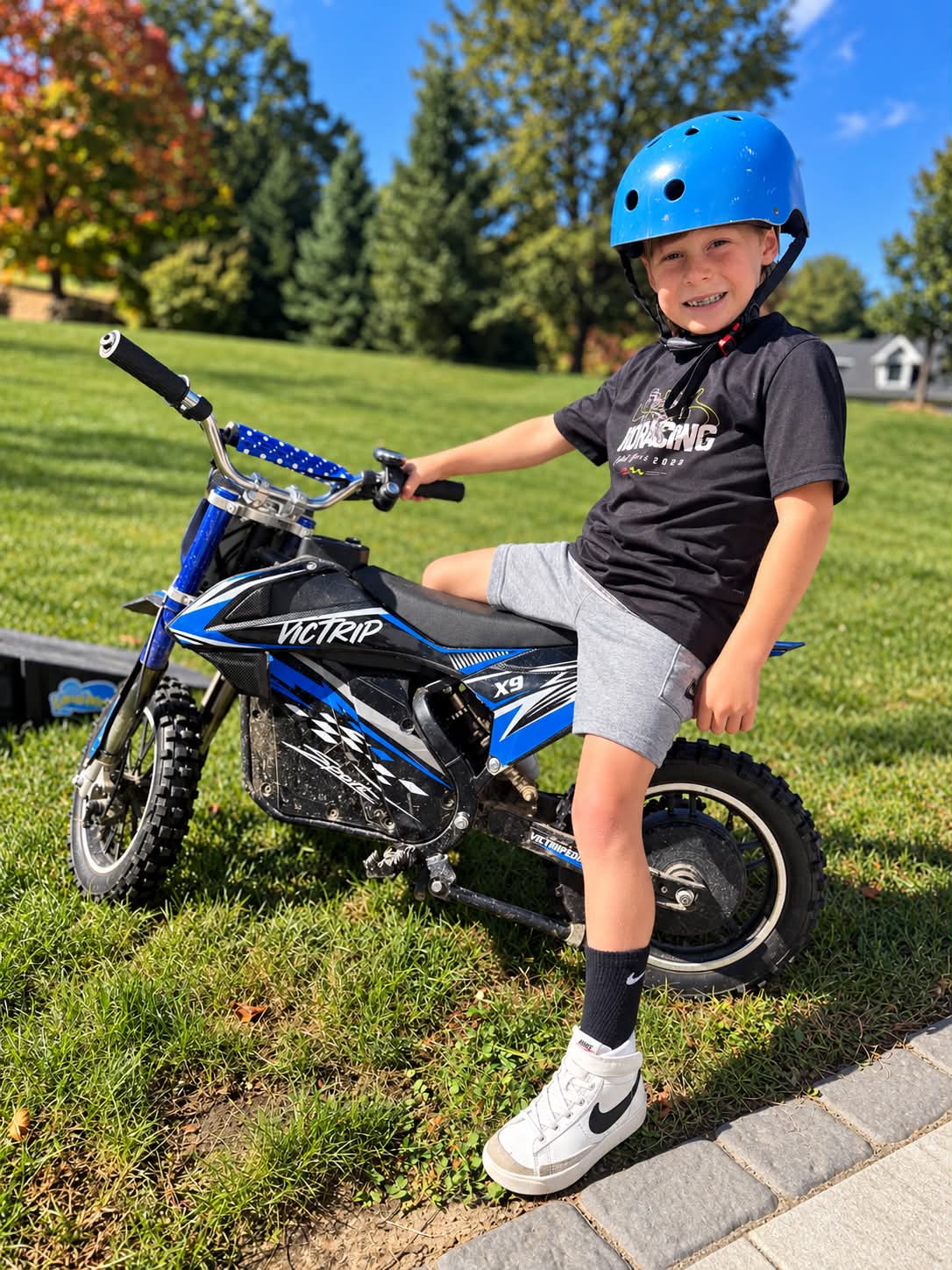
For younger riders who are just beginning their electric riding journey, a purpose-built youth model can be a smarter choice than a full-size adult e-bike. For example, the VICTRIP X9 Electric Dirt Bike for Kids is designed specifically for children ages 6–14 and features three speed modes ranging from approximately 10 mph to 21 mph. Its adjustable performance levels allow parents to match the bike's speed to a child's experience level, helping young riders build confidence gradually rather than jumping directly onto a faster machine.
Maximum Safe Speed Limits
Although some electric bikes can exceed 20 mph, these speeds are generally inappropriate for younger children.
For most 10-year-olds:
- Under 10 mph is ideal for beginners
- 12 mph provides a comfortable balance
- 15 mph should generally be considered the upper limit
Anything significantly faster requires advanced skills and increased supervision.
Factors That Determine Safe Speed
Not every child can safely ride at the same speed. Several factors influence what speed is appropriate.
Rider Experience
Experience plays a major role in determining safe riding speed.
Children who have spent years riding bicycles may adapt more quickly to electric assistance. Meanwhile, new riders need time to develop confidence.
Consider the following progression:
- Start with the lowest speed setting.
- Practice in open areas.
- Increase speed gradually.
- Monitor comfort and control.
Patience leads to safer riding habits.
Terrain Conditions
Even the safest speed can become dangerous on unsuitable terrain.
Children should ride more slowly when encountering:
- Gravel paths
- Wet surfaces
- Hills
- Crowded parks
- Uneven trails
Conversely, smooth paved areas provide better conditions for learning.
Bike Design and Weight
A lightweight bike is easier for children to control.
Heavy electric bikes may:
- Feel intimidating
- Increase stopping distance
- Reduce maneuverability
- Make falls more difficult to recover from
Parents should choose appropriately sized models designed specifically for children.
Choosing the Right Motor Power
Motor power and speed are closely connected.
Low-Power Options
For most 10-year-olds, motors ranging from:
- 100W
- 150W
- 250W
provide adequate assistance.
Benefits include:
- Smoother acceleration
- Better control
- Reduced risk
- Longer battery life
These motors support learning rather than emphasizing performance.
Mid-Power Options
More experienced riders may use 250W to 350W systems with adjustable speed settings.
However, power should always be paired with speed limitations.
The goal is not maximum performance but safe enjoyment.
Parents should prioritize:
- Adjustable power modes
- Speed governors
- Smooth throttle response
These features help children develop riding skills safely.

Safety Features Every Child's E-Bike Needs
Speed alone does not determine safety. Modern electric bikes should include protective features that support young riders.
Speed Limiters
A speed limiter is one of the most valuable features available.
Benefits include:
- Preventing excessive speeds
- Allowing gradual progression
- Giving parents greater control
- Increasing rider confidence
Many child-focused electric bikes offer multiple riding modes.
For example:
| Mode | Speed Limit |
|---|---|
| Beginner | 8 mph |
| Standard | 12 mph |
| Advanced | 15 mph |
This setup allows riders to progress safely.
Quality Braking Systems
Reliable brakes are critical.
Look for:
- Mechanical disc brakes
- Hydraulic disc brakes
- Responsive hand levers
- Child-friendly reach adjustment
Brakes should be easy for small hands to operate effectively.
Proper Tires
Tires affect:
- Traction
- Stability
- Comfort
- Safety
Wide tires generally offer:
- Better grip
- Improved balance
- Greater confidence
Proper tire maintenance is equally important.
Essential Protective Gear
Even at moderate speeds, protective equipment remains essential.
Helmets
A certified helmet is non-negotiable.
A properly fitted helmet should:
- Sit level on the head
- Cover the forehead
- Remain secure during movement
- Meet safety standards
Research consistently shows helmets significantly reduce head injury risks.
Read More: Kids Helmet Sizing Full Guide for Parents.
Additional Safety Equipment
Recommended protective gear includes:
- Knee pads
- Elbow pads
- Gloves
- Reflective clothing
- Closed-toe shoes
While some children resist protective equipment initially, consistent use quickly becomes routine.
Teaching Safe Riding Habits
A safe electric bike is only part of the equation.
Parents play a crucial role in developing responsible riding behavior.
Supervised Practice
Begin riding sessions in:
- Empty parking lots
- Quiet parks
- Dedicated bike paths
Avoid busy roads during early learning stages.
Practice:
- Starting
- Stopping
- Turning
- Emergency braking
These skills build a strong foundation.
Traffic Awareness
Children should learn:
- Hand signals
- Road signs
- Right-of-way rules
- Pedestrian awareness
Regular discussions reinforce safe decision-making.
Remember, riding safely involves much more than simply controlling speed.
Legal Considerations
Laws regarding electric bikes vary widely by location.
Age Restrictions
Some jurisdictions prohibit young children from operating certain classes of electric bikes.
Parents should verify:
- Minimum rider age
- Helmet requirements
- Allowed riding locations
- Power restrictions
Compliance helps avoid legal and safety issues.
Local Regulations
Electric bike classifications often depend on:
- Top speed
- Motor wattage
- Throttle capability
Before purchasing, review local transportation regulations to ensure the bike is suitable for a child rider.
Common Mistakes Parents Make
When purchasing an electric bike for a child, several mistakes occur frequently.
Buying Based on Maximum Speed
Fast doesn't necessarily mean better.
Many parents focus on performance specifications instead of safety and usability.
Choosing Oversized Bikes
A bike that is too large can reduce control and confidence.
Children should comfortably:
- Reach the ground
- Access controls
- Operate brakes
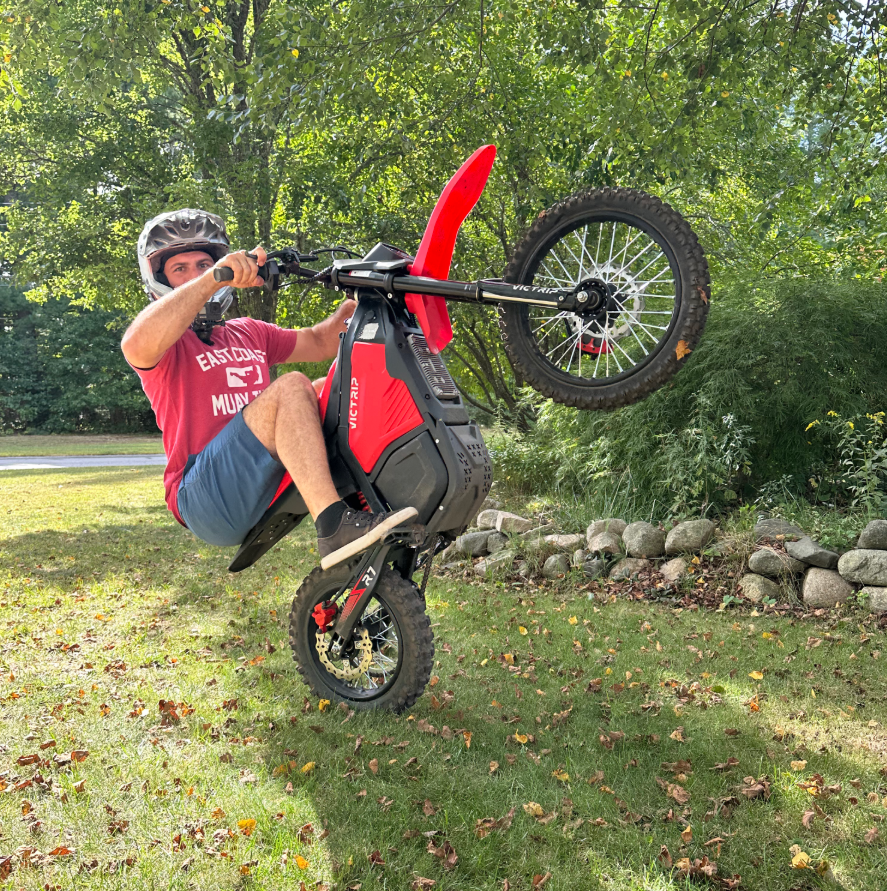
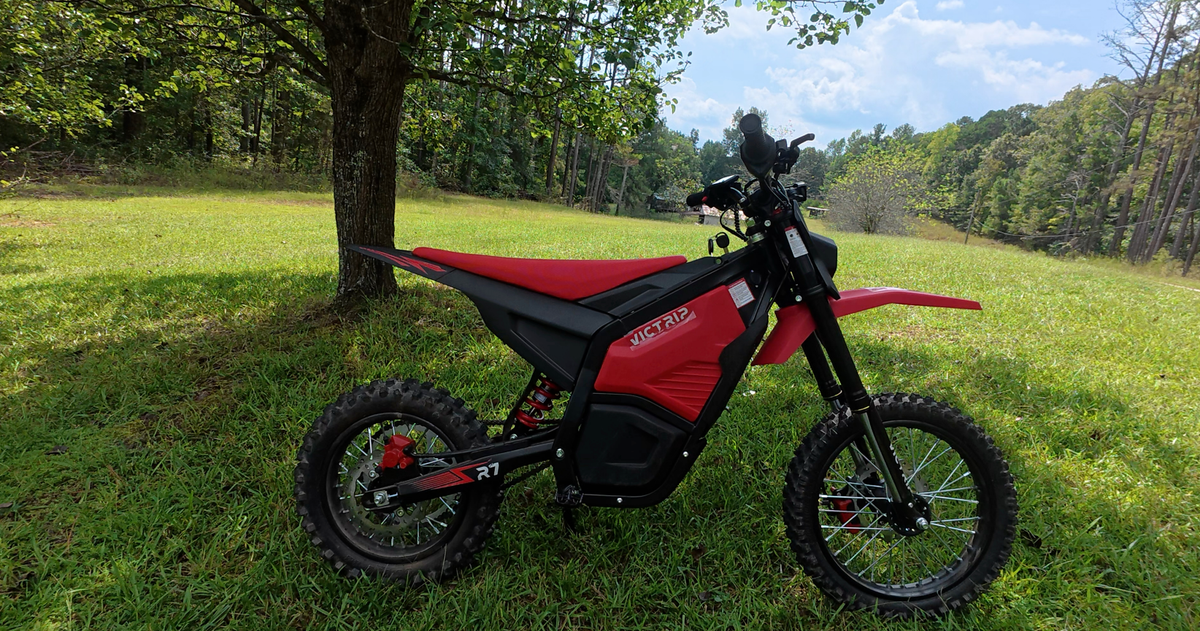
Fit is especially important because many electric bikes are built for adults rather than younger riders. Some compact moped-style models bridge this gap by offering a smaller frame while still providing stable handling. One example is the VICTRIP R6 Off Road Ebike, which uses a compact 16-inch fat-tire design and accommodates riders from approximately 4'9" to 5'11". This smaller form factor can make mounting, stopping, and maneuvering easier for shorter riders compared with larger 20-inch or 26-inch e-bikes.
Skipping Safety Training
Even experienced bicycle riders need time to adjust to electric assistance.
Structured practice sessions are essential.
Ignoring Maintenance
Regular inspections should include:
- Tire pressure
- Brake performance
- Battery condition
- Bolt tightness
Well-maintained bikes are safer and more reliable.
Conclusion
So, how fast should an electric bike be for a 10-year-old? In most cases, the safest and most practical speed range falls between 8 and 15 mph, depending on the child's experience, maturity, and riding environment.
Rather than focusing on maximum speed, parents should prioritize safety features, appropriate motor power, protective equipment, and proper training. A child who develops strong riding habits at moderate speeds will enjoy greater confidence and long-term safety.
Electric bikes can provide tremendous benefits, including outdoor activity, independence, and family fun. By selecting a properly designed bike and maintaining realistic speed expectations, parents can create a positive and rewarding riding experience for young cyclists.
FAQs
How fast should an electric bike be for a 10-year-old beginner?
Most beginners should ride at speeds between 8 and 10 mph until they gain confidence and experience.
Is 15 mph too fast for a 10-year-old?
For many children, 15 mph represents the upper end of the recommended range and should only be used by experienced riders under appropriate conditions.
Should children use throttle-controlled electric bikes?
Pedal-assist systems are often preferred because they encourage active participation and provide smoother power delivery.
Do children need helmets on electric bikes?
Yes. Helmets should always be worn regardless of riding speed or distance.
Can a 10-year-old ride an adult electric bike?
Adult electric bikes are usually heavier, faster, and more difficult to control. Child-specific models are typically safer.
How can parents limit electric bike speed?
Many electric bikes include adjustable speed settings, parental controls, or electronic speed limiters.
Are electric bikes safe for children?
When appropriately sized, properly maintained, equipped with safety gear, and ridden under supervision, electric bikes can be a safe recreational activity for children.
Share:
Electric Dirt Bikes for 10 Year Olds: Everything You Need to Know
Too Tall? Too Short? Why Rider Size Matters More Than Age