


Choosing the right helmet for your child isn’t just another shopping task. It’s one of the most important safety decisions parents make. A properly fitted helmet can dramatically reduce the risk of serious head injuries during biking, skating, scootering, or other outdoor activities. That’s why this kids helmet sizing full guide for parents is designed to help families make informed and confident choices.
Many parents assume helmet sizing is based only on age. However, children grow differently, and head size varies from one child to another. A helmet that’s too loose may slide during impact, while one that’s too tight can become uncomfortable and discourage regular use.
Fortunately, finding the right fit isn’t rocket science. With a few simple measurements, a good understanding of helmet safety standards, and proper adjustment techniques, parents can ensure maximum protection and comfort.
Why Proper Helmet Sizing Matters
Helmet safety begins with fit. Even the most expensive helmet won’t provide proper protection if it doesn’t fit correctly. That’s why understanding kids helmet sizing is absolutely essential for parents.
According to the Centers for Disease Control and Prevention (CDC), helmets significantly reduce the risk of head injuries during sports and recreational activities. However, that protection depends heavily on proper sizing and adjustment.
The Dangers of a Loose Helmet
A loose helmet can:
- Shift during movement
- Block vision
- Slide off during impact
- Fail to absorb shock properly
Children are naturally active and energetic. They jump, run, twist, and move quickly. If the helmet moves around too much, it simply won’t stay in the correct protective position.
The Problems with Tight Helmets
On the other hand, a helmet that’s too tight may:
- Cause headaches
- Leave pressure marks
- Feel uncomfortable
- Lead children to avoid wearing it
And let’s be honest—if kids hate how a helmet feels, they’ll resist wearing it every chance they get.
Confidence and Comfort Matter
A properly fitted helmet should feel snug but comfortable. It should stay level on the head without wobbling. Kids should feel secure, not squeezed.
When children feel comfortable, they’re more likely to wear their helmets consistently. That consistency is what truly improves long-term safety.
Understanding Kids Helmet Sizes
Kids helmet sizing usually depends on head circumference rather than age. While age recommendations can provide a rough starting point, measuring the child’s head is always more accurate.
How Helmet Measurements Work
Helmet sizes are generally measured in centimeters. Most brands provide a sizing chart that corresponds to head circumference.
Typical sizing ranges include:
| Helmet Size | Head Circumference |
| Toddler | 45–50 cm |
| Small Child | 48–52 cm |
| Medium Child | 52–56 cm |
| Youth | 54–58 cm |
These ranges vary slightly between manufacturers, so always check the brand-specific chart.
Age vs Head Circumference
One of the biggest misconceptions in kids helmet sizing is assuming all children of the same age wear the same size.
For example:
- A 6-year-old may need a youth helmet
- Another 6-year-old may still fit a toddler size
That’s why measurements matter more than age labels.
Growth Considerations
Parents often buy oversized helmets so children can “grow into them.” Unfortunately, that’s a risky move. Oversized helmets don’t protect properly.
Instead:
- Buy the correct current size
- Use adjustable dial systems
- Replace helmets as needed
Safety should always come before convenience.
Types of Kids Helmets
Not all helmets are created equal. Different activities require different helmet designs and impact protection systems.
Bike Helmets
Bike helmets are lightweight and designed for cycling impacts. They typically include:
- Large ventilation holes
- Aerodynamic shape
- Lightweight foam construction
These helmets work best for:
- Bicycling
- Recreational riding
- Family rides
- School commuting
Skate Helmets
Skate helmets are designed for repeated low-impact falls. They usually have:
- Hard outer shells
- Rounded shapes
- Extra rear coverage
Ideal activities include:
- Skateboarding
- Rollerblading
- Skate parks
Scooter Helmets
Scooter helmets often resemble bike helmets but may include extra chin coverage depending on the model.
These are suitable for:
- Kick scooters
- Electric scooters
- Casual urban riding
Multi-Sport Helmets
Many parents prefer multi-sport helmets because they offer flexibility.
These helmets combine features from several helmet styles and are commonly certified for:
- Biking
- Skating
- Scootering
They’re a smart option for active children who enjoy multiple outdoor activities.
How to Measure Your Child’s Head
Measuring correctly is the foundation of accurate kids helmet sizing.
Tools You Need
You only need:
- A soft measuring tape
- A mirror
- A pen and paper
No fancy equipment required.
Step-by-Step Measuring Guide
Step 1: Position the Tape
Wrap the tape around the widest part of your child’s head. This is usually:
- About 1 inch above the eyebrows
- Slightly above the ears
- Around the back of the head
Step 2: Keep It Level
The tape should remain level all the way around. Don’t angle it upward or downward.
Step 3: Record the Measurement
Measure in centimeters for the most accurate helmet sizing comparison.
Step 4: Compare with Helmet Charts
Match the measurement to the manufacturer’s chart.
If your child falls between sizes:
- Choose the smaller size if adjustment systems allow
- Ensure the helmet still feels comfortable
Pro Tip
Measure the head two or three times to ensure consistency. Even small errors can affect fit.
Kids Helmet Sizing Chart
Here’s a general sizing guide parents can use as a starting point.
| Child Age | Approximate Head Size | Suggested Helmet Size |
| 1–3 Years | 45–49 cm | Toddler |
| 3–5 Years | 48–52 cm | Small |
| 5–8 Years | 52–54 cm | Medium |
| 8–12 Years | 54–58 cm | Youth |
Remember:
- Brand sizing varies
- Always prioritize measurements
- Adjustable systems improve accuracy
Signs a Helmet Fits Correctly
Once you’ve chosen a helmet size, the next step is checking the actual fit.
Forehead Position
The helmet should sit low on the forehead.
A good rule:
- About two finger widths above the eyebrows
If it tilts too far back, the forehead remains exposed.
Strap Adjustment
The straps should form a “V” shape under the ears.
The chin strap should:
- Feel snug
- Allow one or two fingers underneath
- Stay secure during movement
Stability Check
Ask your child to shake their head gently.
The helmet should:
- Stay in place
- Not slide forward or backward
- Not wobble side to side
A stable fit equals better protection.
Common Helmet Sizing Mistakes Parents Make
Even well-meaning parents sometimes make sizing mistakes.
Buying Oversized Helmets
This is probably the most common issue.
Parents often think:
“They’ll grow into it.”
But oversized helmets compromise protection immediately.
Ignoring Adjustment Systems
Modern helmets often include:
- Rear dial adjusters
- Padding inserts
- Adjustable straps
Use them properly to fine-tune the fit.
Positioning the Helmet Incorrectly
A helmet pushed too far back exposes the forehead. That reduces protection in front-impact crashes.
Reusing Damaged Helmets
Helmets should be replaced after significant impacts—even if no visible cracks appear.
Internal foam damage may not be visible.
Safety Certifications to Look For
Safety certifications help parents choose trustworthy helmets.
Important certifications include:
| Certification | Region |
| CPSC | United States |
| ASTM | Multi-sport testing |
| EN1078 | Europe |
| Snell | Advanced protection standards |
Always check for labels inside the helmet.
Why Certifications Matter
Certified helmets undergo impact testing to ensure they meet strict safety requirements.
Cheap uncertified helmets may look similar, but they may not provide adequate protection.
When to Replace a Kids Helmet
Helmets don’t last forever.
Replace After a Crash
Even minor accidents can weaken internal foam.
If your child falls hard:
- Replace the helmet immediately
Replace Due to Growth
Children grow quickly. A helmet that fit last year may now feel tight or unstable.
Check sizing every few months.
Replace Due to Wear and Tear
Look for:
- Cracks
- Loose straps
- Worn padding
- Broken buckles
Most manufacturers recommend replacement every 3–5 years.
Seasonal Helmet Considerations
Weather affects helmet comfort.
Summer Riding
In hot weather, prioritize:
- Ventilation
- Lightweight construction
- Moisture-wicking padding
Winter Riding
In cold weather:
- Thin thermal caps can fit under helmets
- Avoid thick hats that affect sizing
Rainy Conditions
Choose helmets with:
- Good drainage
- Rust-resistant buckles
- Quick-drying liners
Comfort encourages consistent helmet use year-round.
Tips for Encouraging Kids to Wear Helmets
Getting children excited about helmets can sometimes feel like a battle. Fortunately, a few smart strategies can help.
Let Them Choose the Design
Kids love personalization.
Allow them to choose:
- Colors
- Patterns
- Stickers
- Graphics
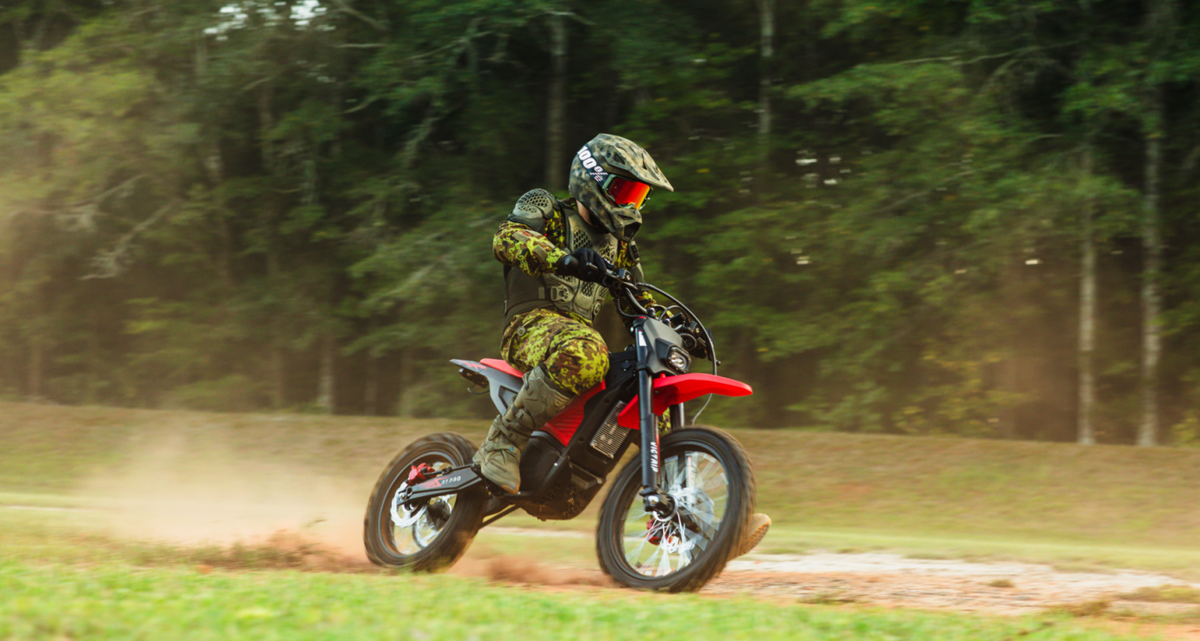
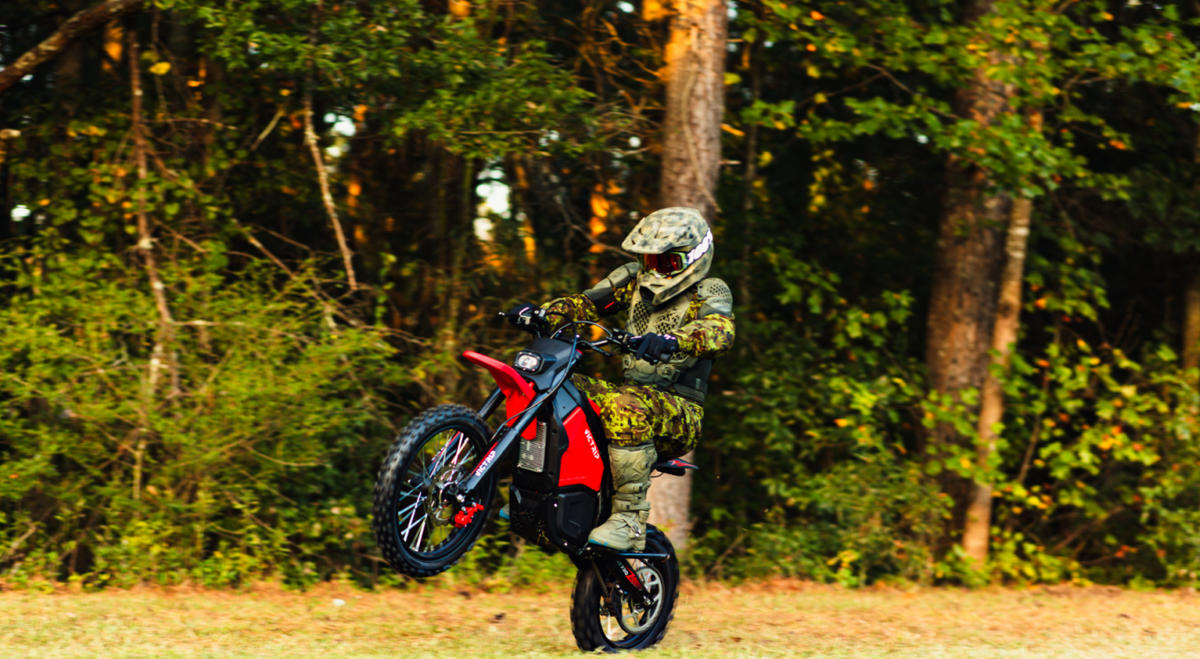
Children are often more excited about safety gear when it matches their riding experience. Kids riding electric dirt bikes such as the VICTRIP X9 may enjoy choosing helmets that match their bike colors or riding style, making them more likely to wear protective gear consistently.

Set a Good Example
Children imitate adults.
If parents wear helmets consistently, kids are far more likely to do the same.
Create Consistent Rules
Make helmet use non-negotiable.
For example:
“No helmet, no riding.”
Consistency builds habits.
Praise Positive Behavior
Positive reinforcement works wonders.
Simple encouragement like:
“Great job wearing your helmet!”
can motivate long-term compliance.
Cleaning and Maintaining a Helmet
Helmet care improves both hygiene and lifespan.
Basic Cleaning Tips
Use:
- Mild soap
- Warm water
- Soft cloth
Avoid harsh chemicals that can weaken materials.
Drying Properly
Always air-dry helmets naturally.
Avoid:
- Hair dryers
- Direct heaters
- Extreme sunlight
Excess heat can damage protective foam.
Storage Tips
Store helmets in:
- Cool areas
- Dry locations
- Away from heavy objects
Proper storage prevents unnecessary damage.
FAQs
How tight should a kids helmet be?
A helmet should feel snug but comfortable. It shouldn’t move when the child shakes their head.
Can kids wear bike helmets for skateboarding?
Not always. Skateboarding often requires skate-certified helmets designed for multiple impacts.
How often should I measure my child’s head?
Measure every 6–12 months or whenever the helmet feels tight or loose.
Are expensive helmets safer?
Not necessarily. Certified helmets meet safety standards regardless of price, though premium models may offer better comfort and ventilation.
Should helmets cover the forehead?
Yes. Helmets should sit low enough to protect the forehead without blocking vision.
Can a helmet be reused after an accident?
It’s safest to replace any helmet after a significant impact, even if no cracks are visible.
What’s the best age to start wearing helmets?
Children should wear helmets as soon as they begin riding bikes, scooters, or balance bikes.
Conclusion
Finding the right helmet doesn’t have to be overwhelming. With proper measurements, attention to fit, and an understanding of safety certifications, parents can confidently choose helmets that truly protect their children.
This kids helmet sizing full guide for parents highlights one important truth: the best helmet is the one that fits properly and gets worn consistently.
Remember these essentials:
- Measure the head accurately
- Prioritize snug comfort
- Check safety certifications
- Replace damaged helmets promptly
- Encourage consistent use
A well-fitted helmet gives parents peace of mind and allows kids to enjoy outdoor adventures safely and confidently.
For additional helmet safety guidance, visit the National Highway Traffic Safety Administration (NHTSA).
Share:
Powerful Electric Mini Bikes for Adults Reviewed
Best Electric Moped Bikes for Beach Riders and Surfers