

Electric bikes have exploded in popularity across the United Kingdom. From bustling city streets in London to scenic countryside paths, riders are embracing eBikes as a faster, greener way to travel.
But one question consistently pops up among new riders and curious commuters:
How fast can an eBike go in the UK?
The answer isn’t quite as simple as a single number. Legal regulations, motor power, terrain, and rider input all influence how fast an electric bike can travel. Some bikes are limited by law, while others designed for private land or off-road riding can reach much higher speeds.
In this detailed guide, we’ll explore:
-
UK electric bike speed limits
-
Real-world riding speeds
-
Factors that affect performance
-
High-performance electric bikes
-
Safety tips for faster riding
By the end, you’ll understand exactly what to expect from an eBike in the UK.
Understanding eBike Speed in the UK
Before discussing exact numbers, it’s helpful to understand how electric bikes actually generate speed.
Unlike motorcycles, most electric bikes rely on pedal assistance. That means the motor helps you pedal rather than doing all the work.
Because of this system, the speed of an eBike depends on several interacting components.
What Defines an Electric Bike?
An electric bike generally includes three main parts:
| Component | Function |
|---|---|
| Electric Motor | Provides pedal assistance |
| Battery | Supplies power to the motor |
| Controller | Regulates speed and assistance levels |
When the rider pedals, the motor adds power, making the bike accelerate faster and climb hills more easily.
However, the speed also depends on:
-
Motor wattage
-
Battery voltage
-
Pedal effort
-
Bike weight
-
Terrain
These factors determine whether an eBike cruises comfortably or reaches higher speeds.
Why Speed Matters to Riders
Speed isn’t just about thrill. For many UK riders, it’s about efficiency and practicality.
People choose electric bikes because they can:
-
Commute faster than traditional bicycles
-
Avoid traffic congestion
-
Reduce physical strain
-
Travel longer distances
For example, a commuter cycling to work may want a consistent 15–20 mph travel speed to arrive quickly without sweating excessively.
So while legal limits exist, the real question becomes how efficiently an eBike can maintain those speeds.

Legal Speed Limits for eBikes in the UK
When asking how fast can an eBike go in the UK, the legal answer is straightforward.
The UK classifies most electric bikes as Electrically Assisted Pedal Cycles (EAPCs).
UK EAPC Regulations
According to the UK government regulations (see official guidance here:
https://www.gov.uk/electric-bike-rules), an electric bike must meet several conditions to remain road-legal without registration.
These include:
-
Maximum motor power: 250 watts
-
Pedal assistance only (or limited throttle)
-
Motor assistance cut-off at 15.5 mph (25 km/h)
Once the bike reaches 15.5 mph, the motor must stop assisting.
You can still pedal faster, but the motor won't help beyond this speed.
Quick Summary
| Regulation | Limit |
|---|---|
| Maximum Motor Power | 250W |
| Assisted Speed Limit | 15.5 mph (25 km/h) |
| Age Requirement | 14+ |
| License Required | No |
| Insurance Required | No |
These rules ensure that eBikes remain closer to bicycles than motorcycles.
Motor Power Restrictions
Motor power also affects speed capability.
While 250W motors dominate the UK market due to legal requirements, more powerful motors exist in other countries.
Higher wattage motors (500W, 750W, or even 1000W) can deliver stronger acceleration and higher speeds.
However, these bikes may be classified as motor vehicles in the UK if used on public roads.
Throttle vs Pedal Assist
Another factor influencing speed is the control system.
Pedal Assist
-
Motor activates when pedaling
-
More energy efficient
-
Legal in the UK
Throttle
-
Motor activates without pedaling
-
Similar to scooters
-
Often restricted under UK law
Because of these restrictions, most UK eBikes rely primarily on pedal assist.
Real-World eBike Speeds
Although the legal assisted limit is 15.5 mph, riders often experience different real-world speeds.
Average Speed of UK eBikes
Typical commuting speeds look like this:
| Riding Type | Average Speed |
|---|---|
| Casual Riding | 10–12 mph |
| Urban Commuting | 12–15 mph |
| Experienced Riders | 15–18 mph |
| Downhill or Sprint | 20+ mph |
The key thing to remember is that motor assistance stops at 15.5 mph, but riders can still exceed this speed through pedaling or downhill momentum.
Factors That Affect eBike Speed
Several elements influence how fast an electric bike can travel.
1. Motor Power
Higher power motors accelerate faster and maintain speed on hills.
2. Battery Capacity
Batteries with higher voltage provide stronger motor output.
3. Rider Weight
Heavier riders may experience slightly slower acceleration.
4. Terrain
Flat roads allow faster travel than steep climbs.
5. Tire Type
Wide tires increase stability but slightly reduce top speed.
6. Bike Weight
Lightweight frames generally accelerate more quickly.
Weather and Road Conditions
Environmental conditions also play a major role.
For example:
-
Strong wind reduces speed
-
Wet roads require slower riding
-
Cold weather affects battery performance
So even if a bike is capable of reaching a certain speed, conditions may limit real-world performance.
High-Performance Electric Bikes
While standard UK eBikes stop assisting at 15.5 mph, performance models can reach much higher speeds when used appropriately.
These bikes are often designed for:
-
Private property
-
Off-road riding
-
International markets with different laws

Performance eBike Categories
High-speed electric bikes typically fall into these categories:
| Category | Typical Speed |
|---|---|
| Class 1 eBike | 15.5 mph |
| Class 3 eBike | 28 mph |
| Performance eBike | 30+ mph |
These bikes deliver thrilling acceleration and long-range performance.
Recommended Powerful Electric Bike
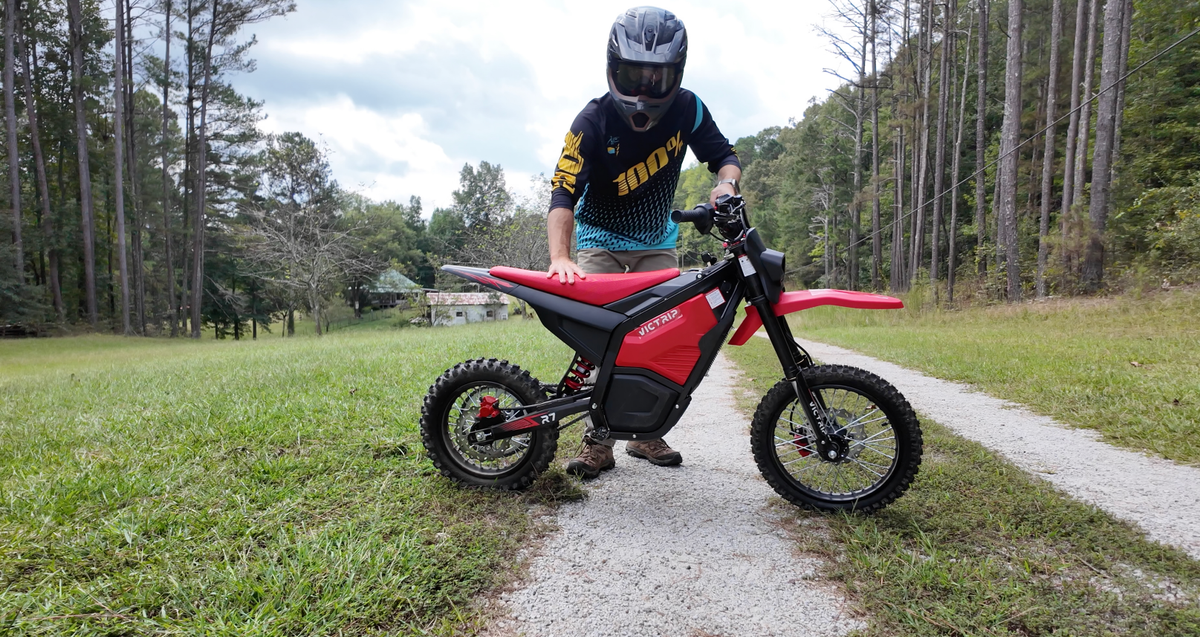
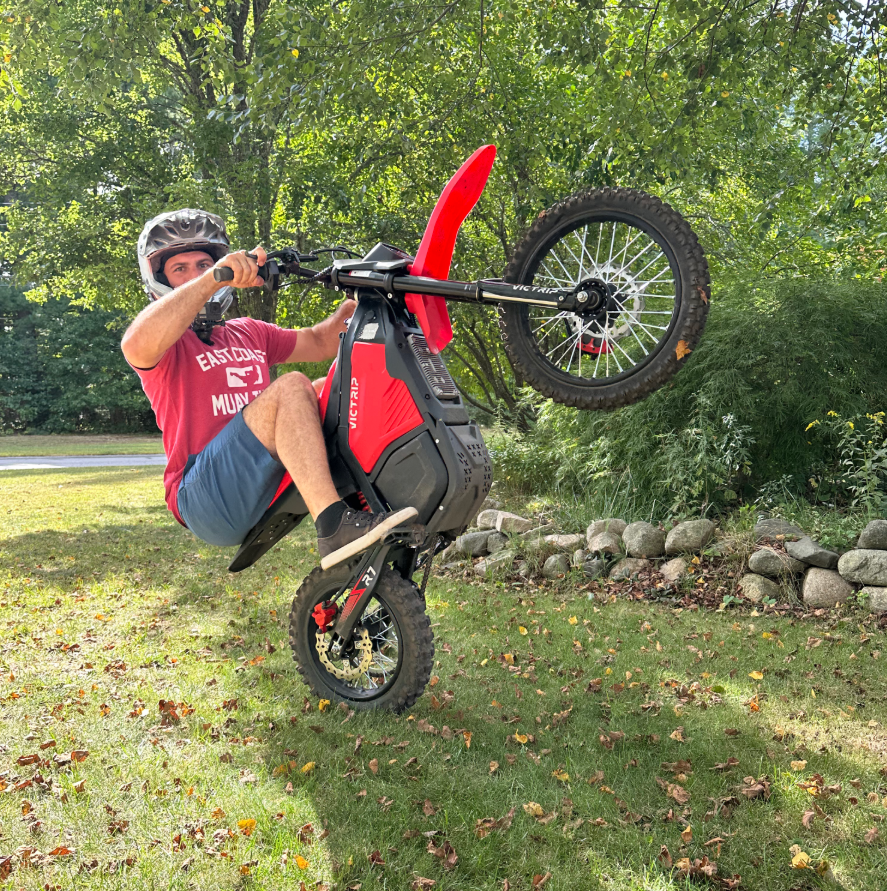
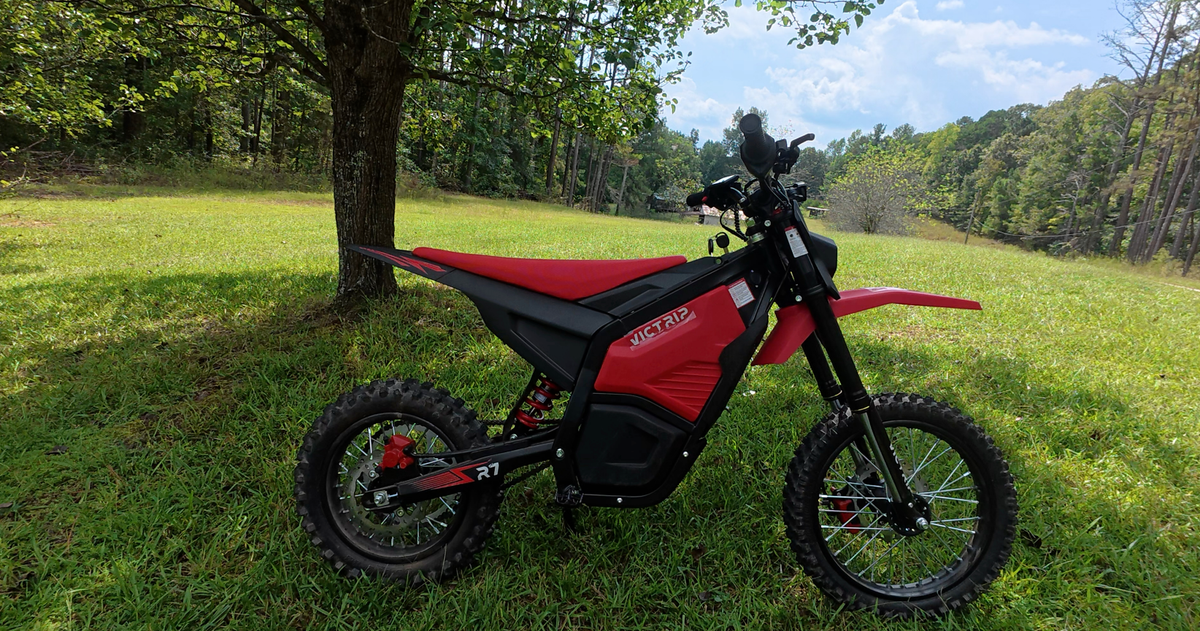
One example of a powerful electric bike designed for strong performance is the Victrip R6 Pro Electric Moped Bike.
This model combines advanced engineering with modern electric bike technology.
Key highlights include:
-
High-performance motor
-
Long-range battery system
-
Moped-style frame for stability
-
Comfortable suspension design
-
Strong braking capability
Because of its robust design, it delivers impressive acceleration and smooth power delivery.
For riders looking for a high-performance riding experience, bikes like this offer a compelling balance of power, comfort, and modern technology.
TOP PICK

VICTRIP®R6 Pro Fat Tyre Electric Moped Bike
£1,099.00
How to Ride Faster Safely
Even within legal limits, riders often want to maximize efficiency and maintain higher speeds safely.
Fortunately, several strategies can help.
Maintenance for Maximum Speed
A well-maintained bike performs better and rides faster.
Key maintenance tips include:
Maintain Tire Pressure
Underinflated tires create rolling resistance.
Check tire pressure weekly.
Clean the Drivetrain
Dirt and debris reduce efficiency.
Lubricate the chain regularly.
Charge the Battery Properly
Avoid draining batteries completely.
Consistent charging maintains performance.
Update Firmware
Some modern eBikes use smart controllers that benefit from firmware updates.
Riding Techniques
Riders can also increase speed through improved technique.
Use Higher Cadence
Pedaling faster improves motor efficiency.
Shift Gears Properly
Choose gears that maintain steady pedaling.
Reduce Drag
Leaning slightly forward reduces wind resistance.
Plan Efficient Routes
Routes with fewer stops maintain momentum.
Small improvements can increase average commuting speed by 2–3 mph.
UK eBike Laws Riders Must Know
Understanding legal requirements ensures a safe and compliant riding experience.
Helmet and Age Rules
Interestingly, UK law does not require helmets for eBike riders.
However, wearing one is strongly recommended.
Other rules include:
-
Riders must be 14 years or older
-
Bikes must display motor power information
-
EAPCs must have functioning pedals
Read More: Electric Moped UK Law 2026: Do You Really Need a License and Insurance?
Where You Can Ride eBikes
Legal electric bikes can ride in most places traditional bicycles are allowed.
These include:
-
Public roads
-
Cycle lanes
-
Bike paths
However, riders should avoid:
-
Motorways
-
Restricted pedestrian areas
Following these guidelines helps maintain safety and legality.
Future of eBike Speeds in the UK
Electric bike technology continues evolving rapidly.
Over the next decade, several innovations may reshape performance.
Battery Innovations
New battery technologies promise:
-
Higher energy density
-
Faster charging times
-
Longer lifespan
These improvements could significantly enhance eBike performance and range.
Smart eBike Systems
Future eBikes may include:
-
AI-powered assistance
-
Automatic gear shifting
-
Advanced torque sensors
-
Integrated navigation systems
These technologies could optimize speed while maintaining safety.
Conclusion
So, how fast can an eBike go in the UK?
The legal answer is clear: 15.5 mph with motor assistance.
However, real-world riding speeds vary depending on terrain, rider effort, and bike design. Experienced riders can often exceed this speed through pedaling, while performance electric bikes can reach much higher speeds when used in appropriate environments.
Electric bikes continue transforming transportation by combining efficiency, sustainability, and excitement. Whether you’re commuting daily or exploring scenic countryside routes, modern eBikes deliver a powerful blend of speed and convenience.
As technology continues evolving, the future of electric mobility in the UK looks faster—and brighter—than ever.
FAQs
What is the legal speed limit for eBikes in the UK?
The motor assistance limit is 15.5 mph (25 km/h) under UK EAPC regulations.
Can an eBike go faster than 15.5 mph?
Yes. Riders can pedal faster or go downhill, but the motor will stop assisting beyond this speed.
Are 750W or 1000W eBikes legal in the UK?
Not for public road use unless registered as motor vehicles.
Share:
Lightweight Kids Electric Bike in the UK: Top Picks for Young Riders
10 Things to Know Before Buying an Electric Bike in the UK