

Electric bikes have exploded in popularity across the United Kingdom over the past few years. From commuters looking to beat traffic to outdoor enthusiasts seeking thrilling off-road adventures, more people are choosing e-bikes as a cleaner, smarter, and more enjoyable way to travel.
But before you jump into buying your first e-bike, there are a few critical things you should understand. The electric bike market in the UK is diverse, with dozens of models, different motor types, battery ranges, and legal regulations. Choosing the wrong bike could mean reduced performance, legal complications, or a disappointing riding experience.
This guide breaks down the 10 most important things to know before buying an electric bike in the UK. We'll cover laws, battery capacity, safety features, riding locations, and even recommend a powerful off-road option that stands out in today's market.
If you're planning to purchase an electric bike in the UK, this guide will help you make a confident and informed decision.
1. Understanding UK Electric Bike Laws
One of the most important things to know before buying an electric bike in the UK is how the law defines an e-bike.
In the UK, electric bikes are regulated under the Electrically Assisted Pedal Cycle (EAPC) rules.
According to the UK government:
-
Maximum motor power: 250 watts
-
Maximum assisted speed: 15.5 mph (25 km/h)
-
Riders must be 14 years or older
-
Pedals must be functional
You can learn more about official regulations from the UK government here: https://www.gov.uk/electric-bike-rules.
EAPC Regulations Explained
If your e-bike follows EAPC rules, it is treated the same as a normal bicycle. That means:
-
No license required
-
No insurance required
-
No road tax
-
No registration needed
However, if the bike exceeds these limits, it may be classified as a motor vehicle, meaning it requires licensing, registration, and insurance.
Read More: Classifying eBikes in the UK: EAPC Rules Made Simple.
Speed and Power Limits
Many powerful e-bikes exist on the market, but riders must understand where they can legally use them.
Higher-powered bikes are often intended for:
-
private land
-
off-road use
-
recreational trails
Therefore, if you're buying an electric bike in the UK, always verify whether it is road-legal or designed primarily for off-road riding.

2. Battery Capacity and Range
The battery is the heart of every electric bike. Its size determines how far you can ride before needing to recharge.
Most modern e-bikes in the UK use lithium-ion batteries with capacities between:
| Battery Size | Average Range |
|---|---|
| 250 Wh | 20–40 miles |
| 500 Wh | 40–70 miles |
| 750 Wh | 60–100 miles |
However, real-world range depends on several factors.
Range Factors
The distance your e-bike can travel depends on:
-
rider weight
-
terrain
-
pedal assistance level
-
weather conditions
-
tire pressure
-
motor efficiency
For example, riding uphill with full power assistance drains the battery much faster than riding on flat roads.
If you commute daily or enjoy long weekend rides, choosing a large battery capacity is essential.
Many riders searching for the best electric bike in the UK prioritize battery range above everything else.
3. Motor Power and Performance
Electric bike motors determine how powerful and responsive your ride feels.
Two main motor types dominate the market.
Hub Motors
Hub motors are located in the wheel hub and are the most common design.
Advantages:
-
affordable
-
low maintenance
-
smooth riding
However, they may struggle on steep hills compared to mid-drive systems.
Mid-Drive Motors
Mid-drive motors sit near the pedals and transfer power through the drivetrain.
Benefits include:
-
stronger hill climbing
-
better weight distribution
-
more efficient power usage
However, they typically cost more.
Torque and Hill Climbing
Torque is just as important as motor wattage. Higher torque allows better acceleration and improved performance on hills.
For riders living in hilly areas of the UK, choosing a high-torque electric bike makes a significant difference in daily riding comfort.
4. Electric Bike Types Available in the UK
Electric bikes come in several styles, each designed for different riding needs.
Commuter Electric Bikes
These bikes focus on comfort, efficiency, and reliability for daily travel.
Features often include:
-
fenders
-
racks
-
integrated lights
-
upright riding position
They are perfect for urban riders replacing car trips.
Electric Mountain Bikes
Mountain e-bikes are designed for off-road riding.
Typical features:
-
wide tires
-
suspension systems
-
powerful motors
-
strong frames
These bikes are ideal for exploring forests, hills, and trails.
Folding Electric Bikes
Folding e-bikes are popular for city dwellers.
Advantages include:
-
easy storage
-
public transport compatibility
-
lightweight frames
However, they often have smaller wheels and less power.
Cargo Electric Bikes
Cargo e-bikes are designed to carry loads.
Many UK families now use them for:
-
school runs
-
grocery shopping
-
small business deliveries

5. Charging Time and Battery Life
Charging time varies depending on battery size and charger power.
Typical charging times:
| Battery Size | Charging Time |
|---|---|
| 250 Wh | 2–3 hours |
| 500 Wh | 4–6 hours |
| 750 Wh | 6–8 hours |
Charging Cycles
Most lithium-ion batteries last 500–1000 charging cycles.
For most riders, this equals 3–5 years of regular use.
Battery Maintenance Tips
To maximize battery life:
-
avoid full discharges
-
store batteries at room temperature
-
charge before dropping below 20%
-
avoid extreme heat or cold
Taking care of your battery ensures your electric bike stays reliable for years.
6. Safety Features Every Rider Needs
Safety should always come first when choosing an electric bike.
Braking Systems
Modern e-bikes use either:
-
mechanical disc brakes
-
hydraulic disc brakes
Hydraulic systems offer stronger stopping power and better modulation.
Suspension Systems
Suspension improves comfort and control, especially on rough terrain.
Common options include:
-
front suspension forks
-
full suspension frames
Lighting Systems
Many e-bikes include built-in LED lights.
However, riders should also consider:
-
reflective clothing
-
helmets
-
rear lights for night riding
7. Cost of Owning an Electric Bike
Electric bikes can range widely in price.
| Category | Price Range |
|---|---|
| Budget e-bike | £600 – £1,000 |
| Mid-range | £1,000 – £2,500 |
| Premium | £2,500 – £6,000 |
However, the cost of owning an electric bike in the UK is far lower than owning a car.
Running Costs
Typical yearly expenses include:
-
electricity: £10–£20
-
brake pads
-
tire replacements
-
occasional servicing
Compared to fuel and parking costs, e-bikes are extremely economical.
8. Best Electric Bike for Power and Adventure
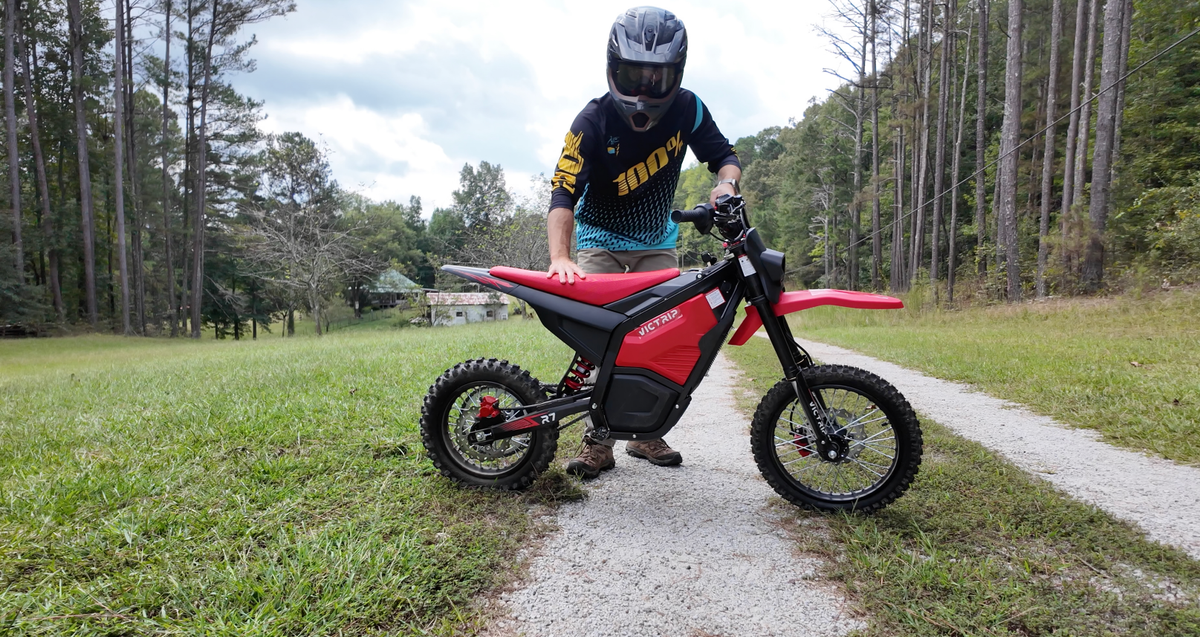
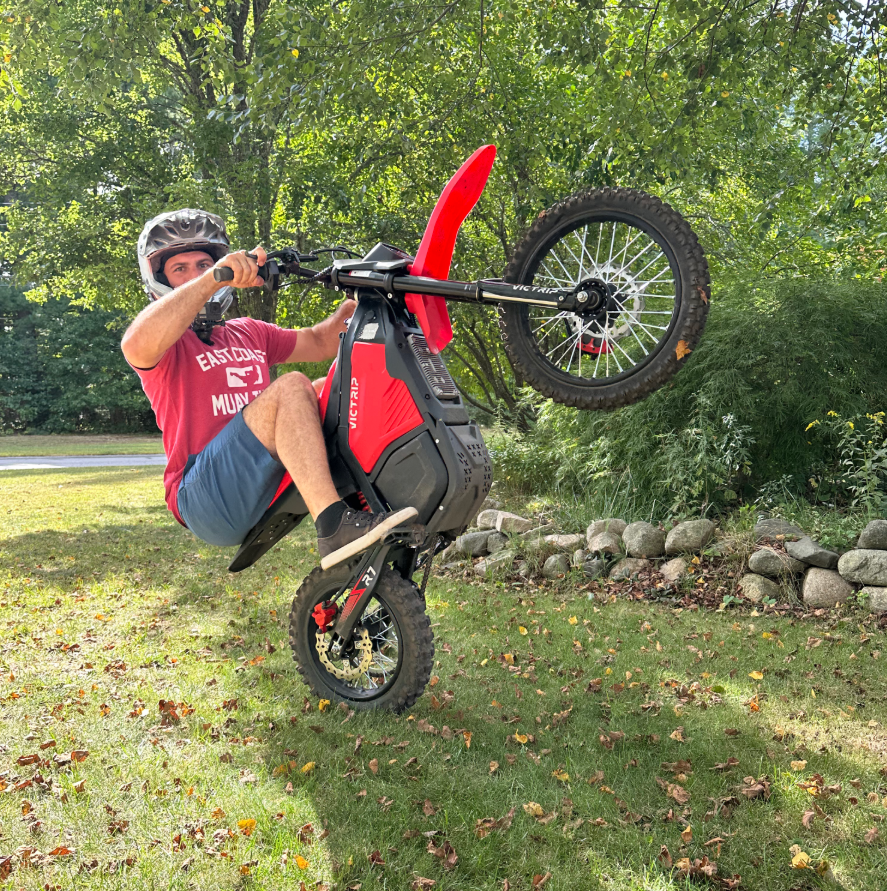
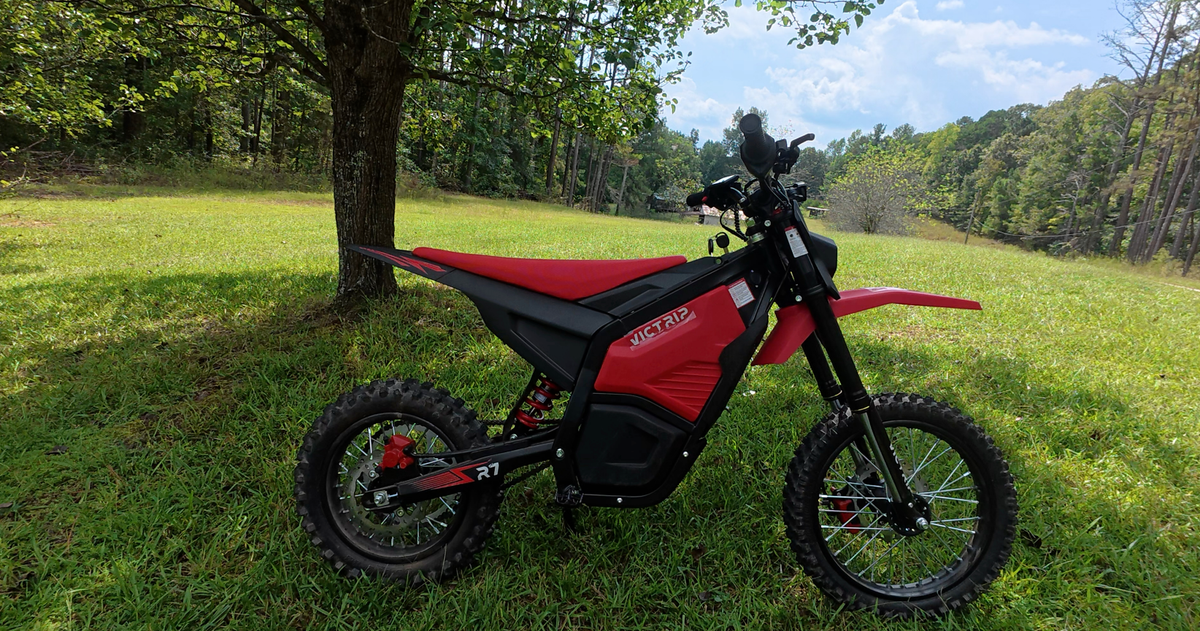
If you're searching for a powerful and versatile option, the VICTRIP R6 Electric Off-Road Bike is a standout model in today's market.
VICTRIP R6 Electric Off Road Bike
Key features include:
-
powerful motor for strong acceleration
-
fat tires for improved grip
-
rugged off-road design
-
long-range battery
-
durable suspension system
This electric bike is designed for riders who want both adventure and performance.
Whether you're riding through countryside trails or exploring weekend off-road routes, the Victrip R6 provides a thrilling and reliable experience.
For riders seeking a powerful electric bike in the UK, this model offers excellent value and capability.
9. Where to Ride Electric Bikes in the UK
The UK offers thousands of miles of cycling routes.
Urban Commuting
Many cities now have dedicated cycling lanes.
Popular cycling cities include:
-
London
-
Bristol
-
Cambridge
-
Manchester
These routes make commuting safer and more enjoyable.
Countryside and Trails
The UK countryside offers incredible riding opportunities.
Some famous cycling areas include:
-
Lake District
-
Peak District
-
Scottish Highlands
These locations are perfect for off-road electric bikes.
10. How to Choose the Right Electric Bike for You
Choosing the perfect electric bike depends on several personal factors.
Consider Your Riding Style
Ask yourself:
-
Will you commute daily?
-
Do you ride off-road?
-
Do you need cargo capacity?
Different bikes suit different riders.
Budget Considerations
Set a realistic budget that includes:
-
bike purchase
-
accessories
-
maintenance
Remember that a quality e-bike is a long-term investment.
If you're serious about performance and durability, selecting a powerful model like the Victrip R6 can be a smart choice.
Conclusion
Buying an electric bike in the UK is one of the smartest transportation decisions you can make today. With rising fuel prices, increasing traffic congestion, and growing environmental awareness, e-bikes provide an efficient and enjoyable alternative to cars.
However, understanding UK regulations, battery range, motor performance, safety features, and cost is essential before making a purchase.
By considering the 10 factors discussed in this guide, you can confidently choose the right electric bike for your lifestyle.
For riders looking for power, adventure, and reliability, the Victrip R6 Electric Off-Road Bike is a compelling option worth exploring.
The future of cycling in the UK is electric—and there's never been a better time to start riding.
FAQs
Are electric bikes legal in the UK?
Yes. Electric bikes are legal if they follow EAPC regulations: 250W motor and maximum assisted speed of 15.5 mph.
Do you need a license to ride an electric bike?
No license is required for legal EAPC electric bikes.
How far can an electric bike travel on one charge?
Most electric bikes travel between 30 and 100 miles, depending on battery size and riding conditions.
Are electric bikes good for commuting?
Yes. Many riders use electric bikes to replace car commutes because they are faster in traffic and cheaper to run.
Share:
How Fast Can an eBike Go in the UK?
Best Fat Tire E Bicycle for Men in the UK for All-Terrain Riding