

Electric dirt bikes can handle much more than smooth neighborhood roads. Their real appeal often appears when the pavement ends and the trail becomes uneven, loose, steep, or technical. However, what terrain is best for an electric dirt bike depends on the bike's tires, suspension, motor output, ground clearance, rider experience, and local trail rules.
Some electric dirt bikes feel comfortable on hard-packed trails but struggle in deep sand. Others are designed for rougher terrain and can handle rocks, hills, and loose surfaces with greater confidence.
If you're choosing an electric dirt bike for trail riding in the US, understanding the terrain first can help you choose a bike that matches how and where you actually ride.
1. Dirt and Hard-Packed Trails
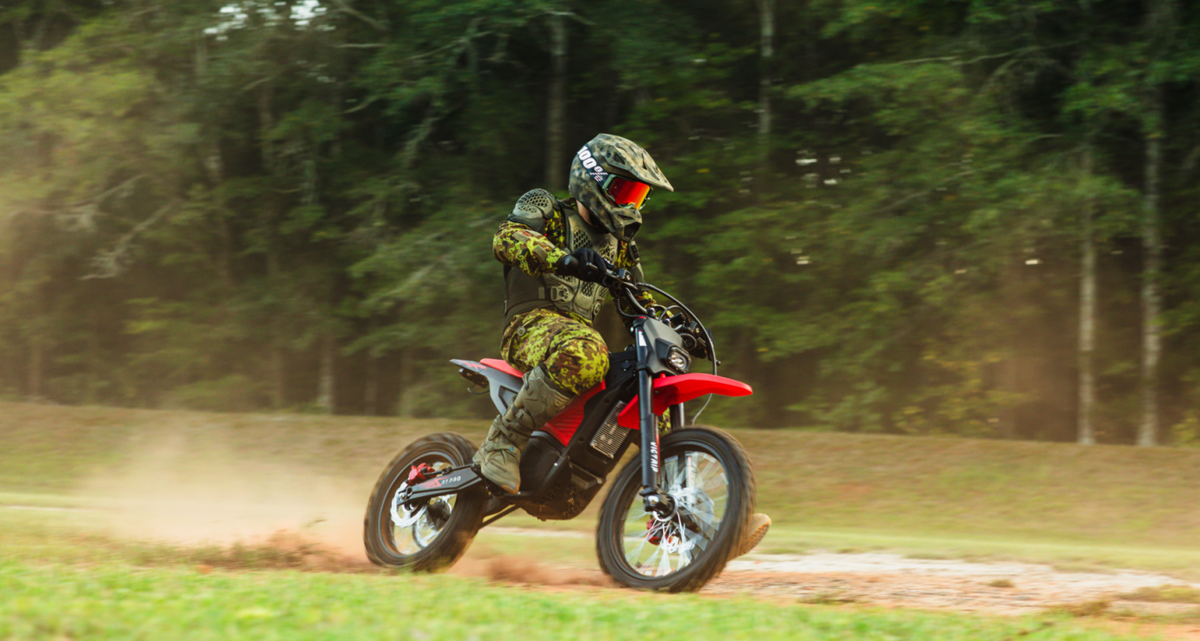
For many riders, hard-packed dirt trails are among the most versatile terrain for an electric dirt bike.
These trails typically have a firm surface with relatively predictable traction. They may include small bumps, shallow ruts, roots, and gradual hills without requiring highly specialized equipment.
Why Dirt Trails Work Well
Hard-packed dirt provides a useful balance between traction and challenge. The tires can grip the surface without sinking deeply, while the suspension can absorb smaller bumps and uneven sections.
This makes dirt trails suitable for:
- Beginner trail riders
- Recreational off-road riding
- Light-to-moderate hills
- Forest access roads
- Open riding areas
- Mixed-surface routes
A bike with good suspension and properly inflated off-road tires can feel stable and controlled on this type of terrain.
What to Look For
If most of your riding takes place on dirt, focus on:
- Reliable suspension
- Appropriate tire tread
- Ground clearance
- Strong braking performance
- Comfortable rider ergonomics
You don't necessarily need the most powerful electric dirt bike for basic dirt trails. Control and traction can be just as important as raw motor output.
2. Gravel and Loose Trails
Gravel looks simple, but it can be surprisingly demanding.
Loose stones reduce traction between the tires and ground. Small gravel is usually manageable, while deep or uneven gravel can make the front wheel move around more easily.
How to Ride on Gravel
Smooth control is important. Sudden acceleration, aggressive braking, or sharp steering can cause the tires to lose grip.
A few useful habits include:
- Keep your speed under control.
- Avoid sudden steering inputs.
- Maintain a relaxed grip on the handlebars.
- Brake progressively.
- Look farther ahead for larger rocks and ruts.
Tire selection also matters. A knobby tread pattern can provide more useful grip than a street-oriented tire when riding on loose surfaces.
3. Sand and Dunes
Sand is one of the more demanding surfaces for an electric dirt bike.
Unlike hard-packed dirt, sand moves underneath the tire. The bike can sink, wander, or lose momentum if the setup and riding technique aren't suitable.
Why Sand Is Difficult
The deeper the sand, the more resistance the bike encounters. Narrow tires may dig into the surface instead of floating over it.
Fat or wider off-road tires can help distribute weight over a larger contact area. However, tire width alone doesn't guarantee good performance. Tread design, tire pressure, motor response, and rider technique all matter.
When riding on sand, avoid excessive steering corrections. Keep the bike moving smoothly and maintain momentum where conditions allow.
For riders who regularly explore sandy trails, beaches where riding is permitted, or desert terrain, sand capability should be considered before purchasing an electric dirt bike.
4. Mud and Wet Terrain
Mud creates a different challenge: limited traction combined with unpredictable surface conditions.
A trail that feels easy when dry can become difficult after heavy rain.
Is an Electric Dirt Bike Good for Mud?
It can be, provided the bike and riding area are appropriate. Knobby tires can help clear mud and find firmer ground, while suspension helps the bike deal with ruts and uneven sections.
However, there's an important distinction between being capable of riding through mud and being designed for unlimited wet-weather use.
Riders should check the manufacturer's guidance for water exposure and electrical components. Avoid unnecessarily deep water, especially when you don't know the depth or conditions underneath.
BLM guidance also recommends avoiding trail use during wet or muddy conditions where doing so could damage trails.

5. Rocky and Technical Trails
Rocky trails require more from both the bike and rider.
Large rocks, exposed roots, ledges, and uneven surfaces can create sudden changes in traction and wheel position. Suspension becomes especially important here.
Important Features for Rocky Terrain
For technical trails, consider:
- Front and rear suspension
- Adequate ground clearance
- Strong wheels and tires
- Responsive brakes
- A sturdy frame
- Predictable throttle control
The goal isn't simply to have more power. Too much power without good control can make technical terrain harder for an inexperienced rider.
A capable electric dirt bike should let the rider manage speed and maintain balance rather than constantly fighting the bike.
6. Hills and Steep Terrain
Hills are another area where motor performance becomes important.
Climbing a steep trail requires enough torque and traction to maintain forward movement. But descending is just as important.
Climbing vs. Descending
When climbing, riders need to manage:
- Motor output
- Rear-wheel traction
- Body position
- Momentum
- Surface conditions
When descending, braking and balance become the priority.
A powerful electric dirt bike can climb steep terrain, but riders shouldn't assume that more motor power automatically makes every hill safe. Loose soil, wet rocks, sharp drop-offs, and poor visibility can dramatically change trail conditions.
Choose hills that match your experience level, and always inspect unfamiliar terrain before attempting difficult sections.
7. Forest and Mixed Trails
For riders who don't stick to one surface, mixed trails can be the most interesting.
A forest route might include hard-packed dirt, roots, rocks, mud, gravel, and short climbs within a single ride.
What Makes a Bike Versatile?
A versatile electric dirt bike should offer a balance between:
- Traction
- Suspension travel
- Braking
- Ground clearance
- Power delivery
- Rider comfort
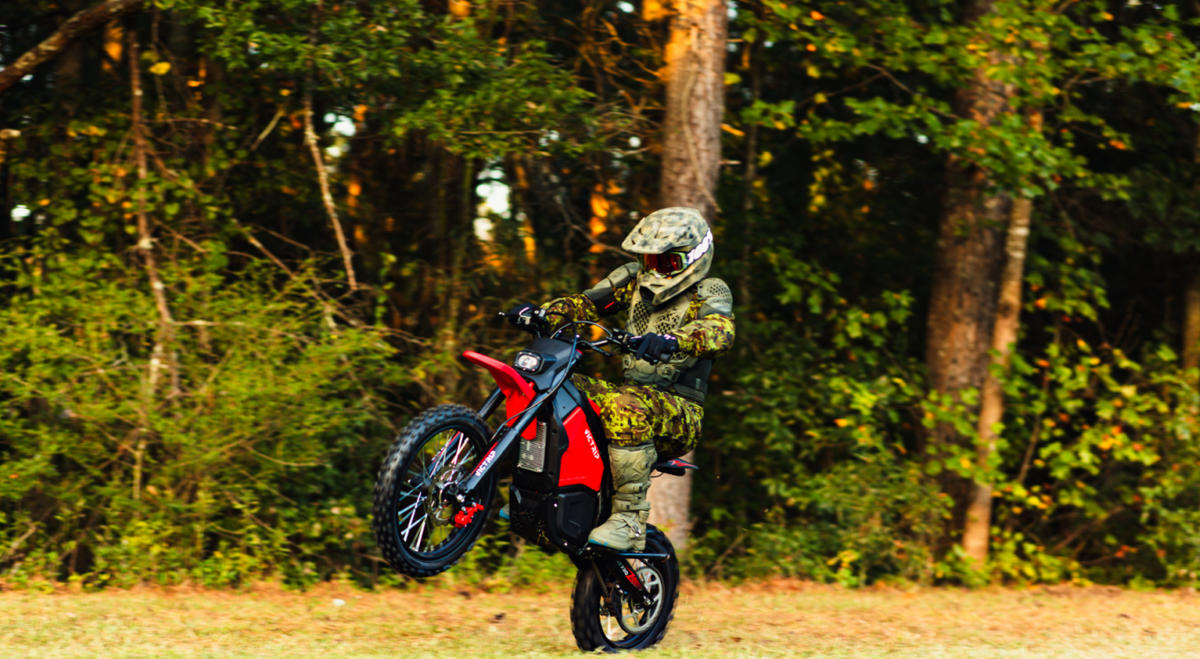
This is where performance-oriented models such as the VICTRIP R7 can be considered for riders looking beyond simple paved commuting and toward more demanding off-road environments.
The key is to match the bike's capabilities to the actual trail rather than choosing a model based only on motor numbers.
Electric Dirt Bike Terrain Comparison
| Terrain | Difficulty | Key Requirement | Main Challenge |
|---|---|---|---|
| Hard-packed dirt | Easy–Moderate | Balanced tires and suspension | Ruts and bumps |
| Gravel | Moderate | Stable tires and smooth control | Loose traction |
| Sand | Moderate–Hard | Wide tires and momentum | Sinking |
| Mud | Moderate–Hard | Knobby tires and control | Low traction |
| Rocky trails | Hard | Suspension and clearance | Impacts and obstacles |
| Steep hills | Hard | Power, traction, brakes | Climbing and descending |
| Mixed forest trails | Moderate–Hard | Balanced setup | Rapidly changing surfaces |
How to Choose an Electric Dirt Bike for Your Terrain
Before buying an electric dirt bike, think about where you will spend most of your riding time.
If you mainly ride smooth dirt roads, a balanced setup may be enough. If you regularly encounter deep sand, rocks, steep climbs, or technical trails, you'll want to pay closer attention to suspension, tires, clearance, braking, and power delivery.
Consider Your Typical Trail
Ask yourself:
- Is the surface mostly hard or loose?
- Are there steep climbs?
- How often do you encounter rocks?
- Do you ride in wet conditions?
- Are long-distance trails common?
- Do you need a lightweight bike for tight trails?
- Are motorized electric bikes allowed on your preferred trails?
These questions are often more useful than simply asking which electric dirt bike has the highest power rating.
Why Tires Matter So Much
Tires are one of the most important connections between an electric dirt bike and the terrain.
A tire designed for hard-packed dirt may behave differently from one designed for loose sand or mud. Knobby tread can improve off-road traction, while wider tires can provide additional support on loose surfaces.
There isn't one tire that is perfect for every environment.
If you regularly switch between surfaces, look for a versatile off-road tread pattern rather than optimizing the bike for just one type of terrain.
Terrain, Speed, and Rider Experience
Terrain should also influence how fast you ride.
A trail may be technically suitable for an electric dirt bike but still require a slower pace because of rocks, pedestrians, animals, blind corners, or changing weather.
More experienced riders can generally manage technical terrain more effectively, but experience doesn't eliminate environmental risks.
A good approach is to build skill gradually:
- Start on predictable dirt.
- Practice braking and cornering.
- Introduce moderate hills.
- Learn how the bike behaves on loose surfaces.
- Progress to more technical terrain.
This makes it easier to understand how your bike responds before tackling challenging trails.
Where Can You Ride an Electric Dirt Bike in the US?
Trail access is just as important as terrain.
Rules differ between states, land managers, parks, and individual trail systems. For example, the Bureau of Land Management states that e-bike access depends on the applicable trail designation and authorization. BLM also notes that its e-bike rule does not automatically open every non-motorized trail to e-bike use.
This is particularly important for high-powered electric dirt bikes. Some vehicles may not fall within the federal Class 1–3 e-bike framework used by certain land-management rules.
Before riding, check the rules for the specific trail or riding area.
You can use the official BLM E-Bikes FAQ to learn more about federal BLM rules and trail access.
FAQs About Electric Dirt Bike Terrain
1. What terrain is best for an electric dirt bike?
Hard-packed dirt trails are a versatile starting point because they offer relatively predictable traction while still providing an off-road experience. The best terrain ultimately depends on the bike's tires, suspension, clearance, power, and the rider's experience.
2. Can electric dirt bikes ride on sand?
Yes, some electric dirt bikes can ride on sand. Wider tires, suitable tread, smooth throttle control, and maintaining momentum can help. Deep sand is significantly more demanding than compacted dirt.
3. Can an electric dirt bike ride through mud?
Some can handle moderate muddy terrain, but mud greatly reduces traction. Check the manufacturer's water-resistance guidance and avoid deep water or conditions that could expose electrical components to excessive moisture.
4. Are electric dirt bikes good for rocky trails?
Electric dirt bikes with capable suspension, suitable ground clearance, durable tires, and strong brakes can work well on rocky trails. Technical rocks and ledges require slower speeds and greater rider control.
5. Are electric dirt bikes good for hills?
They can be effective on hills when the bike provides suitable torque and traction. However, steep terrain also requires strong braking performance and appropriate rider technique, especially during descents.
6. What tires are best for electric dirt bikes?
There isn't one universal tire. Knobby off-road tires are generally useful for dirt, rocks, and mixed trails, while wider tires can be helpful on loose surfaces such as sand.
7. Can I ride an electric dirt bike on public trails?
It depends on the specific trail, land manager, vehicle classification, and local regulations. Always check the current rules before riding. BLM-managed land, for example, can have different requirements for motorized and non-motorized routes.
8. Does more motor power mean a better off-road bike?
Not necessarily. Motor power is only one part of off-road performance. Suspension, tires, brakes, weight, ground clearance, throttle response, and rider skill all affect how a bike performs on different terrain.
Conclusion: Match the Bike to the Trail
So, what terrain is best for an electric dirt bike? For general trail riding, hard-packed dirt and mixed trails offer a practical balance of traction and challenge. Sand, mud, rocks, and steep hills require more specialized consideration.
The most important thing is to match the bike to your actual riding environment. Think beyond motor power and consider tires, suspension, braking, clearance, rider experience, and trail access.
Whether you're exploring forest trails, riding open dirt routes, or tackling more technical off-road terrain, understanding the surface beneath your tires is one of the simplest ways to choose and ride an electric dirt bike more effectively.
Share:
Top Youth Electric Bikes for Beginners: Features Parents Should Know