


If you’re shopping for a Moped Style Ebike, you’re not alone — these machines blend the convenience of scooters with the efficiency of e-bikes, and they’re growing fast in popularity. That said, buyers frequently trip up on legal status, real-world range, and maintenance costs. This guide shows the most common mistakes and gives plain-language fixes so you’ll buy smart, ride safe, and avoid buyer’s regret. We’ll use clear steps, checklists, and examples so you can act with confidence.
Quick buyer checklist
-
Verify local laws for “moped” vs “e-bike.”
-
Confirm maximum motor power and top speed classification.
-
Ask for real-world range figures and battery specs.
-
Inspect frame, brakes, suspension, lights, and seat.
-
Test ride for at least 10–15 minutes on mixed roads.
-
Confirm warranty, dealer support, and parts availability.
-
Check insurance and theft-prevention options.
Mistake 1: Ignoring local laws and street-legal rules
One of the biggest and costliest errors is assuming every moped style ebike is legal everywhere. Laws vary by state, city, and even municipality. Some areas treat these vehicles like bicycles; others treat them as motor vehicles requiring registration, insurance, license plates, and a driver’s license. If you skip this step you might face fines, impoundment, or insurance gaps.
How to avoid:
-
Search your state DMV or local transport authority website for “electric bicycle classification” or “moped style electric bike rules.”
-
Confirm whether your intended model’s top speed and motor power qualify it as an e-bike, moped, or motorcycle.
-
If in doubt, ask the dealer for the exact model’s legal classification in your state — get it in writing if possible.
Quick example: In many U.S. states, vehicles that can exceed 20–28 mph or have motors above certain wattages move into motorized vehicle categories — triggering registration and insurance needs.
How to check local classifications
-
Use official sources (DMV or transport authority) rather than forums.
-
If buying online, check the seller’s model code and compare with local rules.
-
Call the local police non-emergency line if you need clarity on parking or road access restrictions.
Mistake 2: Choosing the wrong power/vehicle class
Buyers often equate higher motor power with “better,” but higher wattage changes classification, handling, and the need for protective gear. A heavier, more powerful motor increases acceleration — and the risk if you’re not prepared.
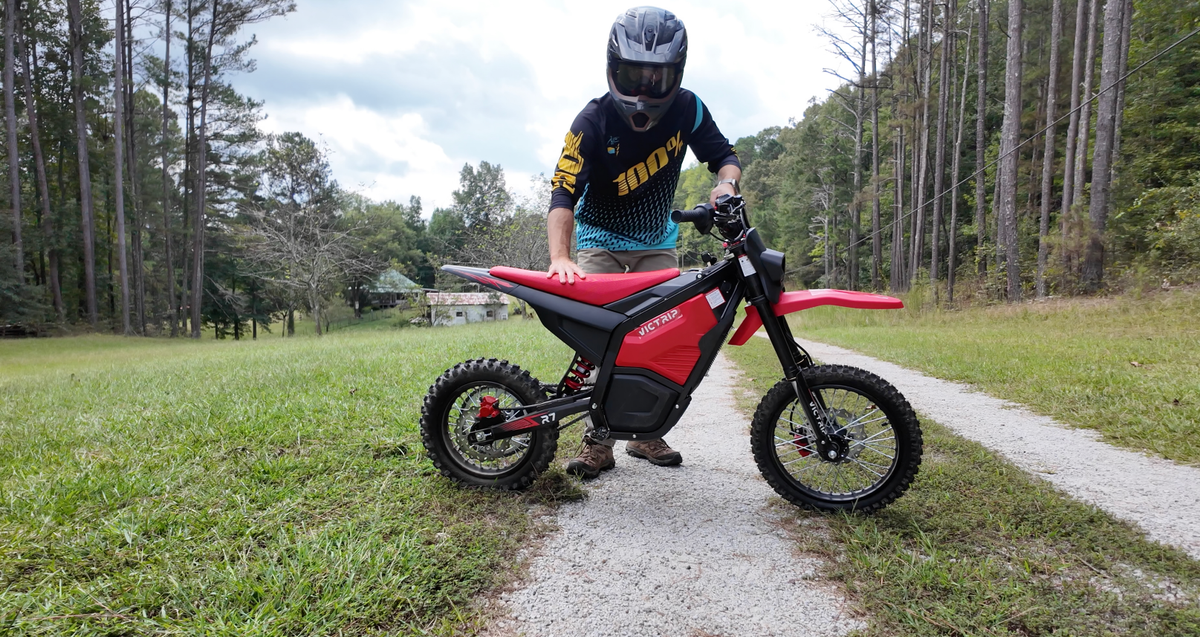
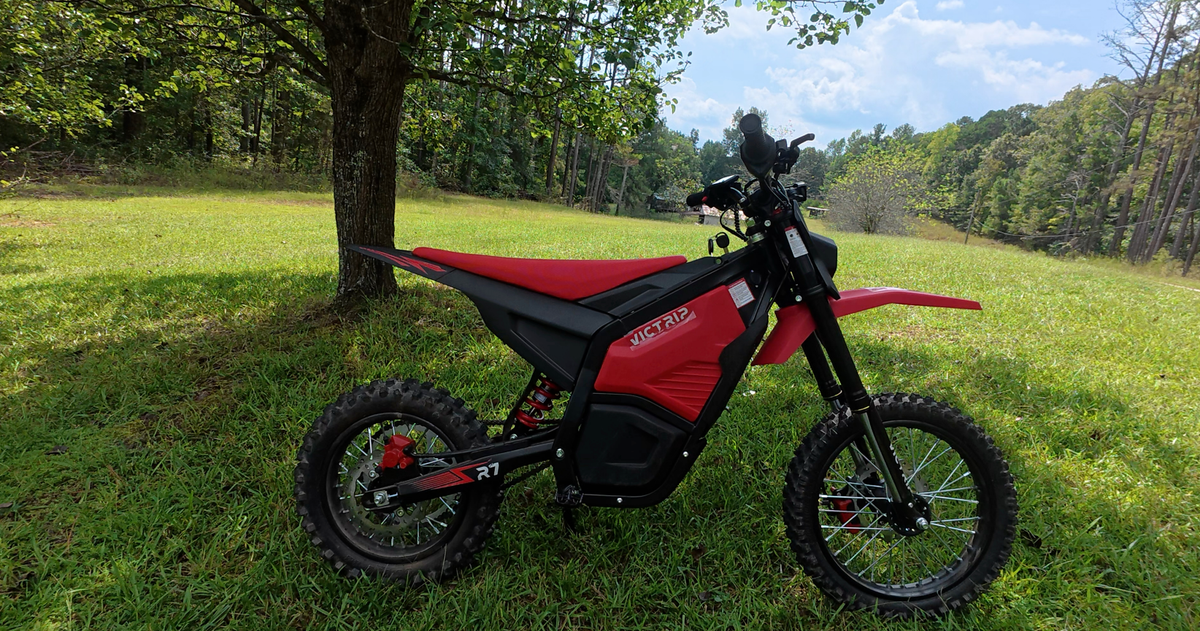
👉 For example, models such as the VICTRIP R6 Pro Moped Style Ebike offer strong motor outputs suitable for urban commuting, but be sure that power level matches your local classification and intended use — urban vs. suburban vs. trail riding.
Avoid by:
-
Matching power to your intended use: short urban hops don’t need massive motors.
-
Checking the top speed: a high top speed might be illegal for bike lanes.
-
Considering battery size: big motors drain batteries faster unless capacity increases.
Mistake 3: Overlooking battery range and real-world expectations
Manufacturers often quote optimistic range figures based on flat roads and a light rider. Real-world range is impacted by rider weight, terrain, wind, temperature, and riding style.
Real-world check:
-
Ask for range estimates at different assistance levels (eco, normal, boost).
-
Expect 60–75% of the manufacturer’s “ideal” range in mixed conditions.
-
Confirm battery warranty, estimated cycles, and ease of replacement.
Practical tip: Bring your gear and a second person when test-riding to better simulate loaded riding conditions.

Mistake 4: Neglecting build quality and frame suitability
A moped style ebike must be built to handle the stresses of urban riding: potholes, frequent starts/stops, and heavy loads. Cheap frames, poor welding, or light spokes will shorten lifespan.
What to inspect:
-
Frame material (aluminum alloy, steel, or chromoly).
-
Weld quality and absence of rust under coatings.
-
Wheel build — sealed hubs for durability.
-
Intended payload capacity (rider + cargo).
Mistake 5: Forgetting maintenance and replacement costs
E-bikes aren’t “set and forget.” Chains, tires, brake pads, batteries, and electronic components wear out and can be costly to replace.
Budget properly:
-
Estimate annual maintenance: tires, brake pads, cables, labor.
-
Ask for battery replacement cost and lead time.
-
Verify if the dealer offers service plans or loaner units.
Mistake 6: Buying on price alone (cheap vs value)
A low sticker price is tempting, but it often hides higher ownership costs — short battery life, poor brakes, and scant warranty. Value equals a mix of quality, warranty, support, and resale value.
How to decide value:
-
Compare total cost of ownership over 3–5 years.
-
Factor in warranty lengths for frame, battery, and electronics.
-
Read multiple verified owner reviews (not just seller testimonials).
Mistake 7: Misunderstanding braking and safety systems
Stopping power for a moped style ebike must match acceleration and weight. Mechanical brakes, poorly tuned discs, or tiny rotors are a hazard.
Checklist:
-
Prefer hydraulic disc brakes for heavier models.
-
Check rotor size — bigger rotors generally give better heat dissipation.
-
Confirm quality of brake levers and adjustability.
-
Ensure lights meet local requirements for visibility.
Mistake 8: Skimping on fit, comfort, and ergonomics
Even short rides become unpleasant with poor seating, wrong handlebar height, or improper foot positioning. Comfort affects safety — you’ll react slower when cramped.
Test for fit:
-
Seat height and distance to controls.
-
Foot placement options (flat floorboard vs pegs).
-
Handlebar sweep and grip feel.
-
Suspension effectiveness on typical roads you’ll ride.
Mistake 9: Not test-riding in real conditions
A 3–5 minute showroom test ride rarely replicates traffic, hills, or fully loaded commuting. Many buyers regret skipping a longer, realistic test ride.
Do this instead:
-
Ride at least 10–20 minutes including a hill, a stoplight start, and some mixed surfaces.
-
If possible, ride with the weight you expect to carry (bags, groceries).
-
Check throttle response and motor cut-in at varying speeds.
Mistake 10: Ignoring dealer/service network
Buying an obscure brand with no local service can leave you stranded for weeks waiting on parts. A good dealer network reduces downtime and repair costs.
Verify before purchase:
-
Map authorized service centers near you.
-
Ask how long typical repairs take and whether loaner units are provided.
-
Check whether firmware updates are dealer-handled or user-updatable.
Mistake 11: Over-customization and illegal mods
Many riders want to “unlock” extra speed or boost power — but that can void warranties and make the bike illegal on public roads. It also raises safety and insurance concerns.
Safer approach:
-
Avoid modifying speed-limited systems unless you’re informed of legal implications.
-
If you must modify, document all changes and consult your insurer.
-
Keep records of original parts for resale or compliance checks.
Mistake 12: Poor insurance and theft prevention planning
E-bikes are attractive to thieves; a stolen bike can cost thousands. Also, post-accident costs can be heavy without the right coverage.
Protect yourself:
-
Consider specialized e-bike insurance or check if homeowner’s/ renter’s policy covers theft off-premises.
-
Invest in high-quality locks (U-lock + cable) and register your bike’s serial number.
-
Use GPS trackers or alarmed locks for higher-value bikes.
Buying timeline and decision matrix
-
Research (1–3 days): Laws, intended use, and shortlist 3 models.
-
Inspect specs (1–2 days): Battery, motor, brakes, frame, weight.
-
Test-ride (same week): Long enough to simulate real use.
-
Verify service network (same week): Call dealers, ask repair times.
-
Negotiate and buy (within 2 weeks): Secure written warranty and any service promises.
-
Post-purchase (first month): Register, insure (if needed), and perform first maintenance check.
Use this matrix to score models (0–5) on legal compliance, range, build quality, dealer support, and total cost of ownership.
Conclusion and next steps
Buying a Moped Style Ebike can be a transformative step in your mobility plan — if you avoid the common pitfalls outlined above. To recap: check laws first, match power to needs, verify real-world range, prioritize build quality and brakes, plan maintenance budgets, and secure reliable after-sales support. If you follow the checklist and test-ride thoroughly, you’ll choose a model that’s safe, legal, and a pleasure to ride.
For additional authoritative guidance on vehicle classification and safety standards, see the National Highway Traffic Safety Administration (NHTSA) resources on electric bicycles and vehicle rules.
FAQs
Are moped style ebikes legal everywhere?
No. Legality depends on speed, motor power, and local law. Always check your state or municipality’s vehicle classification before buying. Some places require registration and insurance for models that exceed specified speed or power thresholds.
Should I get a hydraulic or mechanical brake system?
For heavier moped style ebikes, hydraulic disc brakes are recommended because they offer stronger, more consistent stopping power and lower maintenance in the long run.
Can I ride a moped style ebike in bike lanes?
That depends on local rules. If the vehicle is classified as a motor vehicle rather than a bicycle, it may be restricted from bike lanes. Verify local regulations.
How often does an e-bike battery need replacement?
Typical lithium batteries last 500–1,000 full cycles, which usually translates to 2–6 years depending on usage and care. Battery warranties vary — check capacity retention terms.
Is insurance necessary for moped style ebikes?
If your bike is legally classified as a moped or motor vehicle, insurance may be mandatory. Even where it isn’t required, insurance can protect against theft, damage, and liability.
Share:
Are Torque Sensors Better for Hilly Rides?
Is a Moped Bike Street Legal? Everything You Need to Know