


Full suspension refers to a bike design where both the front and the rear have suspension components — typically a suspension fork up front and a rear shock with linkages. For electric motorcycles that look like heavy-duty bicycles (or light motorcycles), full suspension combines conventional motorcycle-style shock systems and bicycle-like suspensions to tame speed, weight, and power.
Key components of a full suspension system
-
Suspension fork (front): absorbs bumps and keeps the front wheel planted.
-
Rear shock (with linkages): isolates the rider from rear wheel impacts.
-
Swingarm or link system: transfers forces and controls wheel path.
-
Adjusters (preload, rebound, compression): let you tune ride feel.
When you add an electric motor and battery, the dynamics change — heavier weight and more torque make a proper suspension even more important.
Safety: How Full Suspension Reduces Rider Risk
Full suspension improves safety in three simple ways: better contact with the road, predictable handling, and shorter stopping distances on rough surfaces.
First, a wheel that stays in contact with the surface transfers braking forces reliably. If the wheel skips over a pothole, braking may fail at the worst moment. But with full suspension, the wheel follows contours, so brakes work as intended.
Second, unpredictable jolts at speed can cause loss of control. Full suspension smooths those impacts, reducing sudden steering inputs and the chance of a crash.
Third, on mixed surfaces—gravel, cobbles, or wet leaves—suspension helps you avoid slides by keeping traction consistent.
This is why pro riders and safety-conscious commuters often favor full suspension. It’s not a luxury; it’s a performance and safety upgrade.
Comfort: Long Rides Without the Beat-Down
If you ride for longer than 20 minutes, comfort matters. A full suspension ebike motorcycle turns a rough commute into something much less taxing. You’ll feel less vibration in your hands, neck, and lower back.
Consider these benefits:
-
Reduced fatigue: less energy lost to constant micro-impacts.
-
Fewer distractions: you can focus on traffic and navigation.
-
Less equipment stress on the rider: helmets, gloves, and clothing suffer less wear too.
In practical terms: you’ll arrive fresher, ride longer, and be less likely to skip trips because the route’s bumpy.
Handling: Why Full Suspension Helps Cornering & Control
Full suspension does more than soften bumps — it actively improves handling. Here’s how:
-
Weight transfer control: A tuned suspension keeps the chassis balanced during acceleration, braking, and cornering.
-
Compliance over obstacles: When you hit a curb or rock, the suspension allows the bike to keep its line.
-
Progressive feel: Modern shocks offer gradual compression so the bike doesn't wallow in corners.
Better handling reduces rider workload and helps you place the bike where you want it, which is essential at higher motor-assisted speeds.
Traction & Efficiency: More Power to the Ground
It’s easy to assume suspension just soaks bumps. But it also keeps the tire in better contact with the road, meaning the motor’s torque is applied more efficiently.
-
Improved traction: Less wheel spin when accelerating on loose or wet surfaces.
-
Energy savings: While adding suspension adds weight, efficient traction can reduce wasted energy from slips, often offsetting the weight penalty over real-world riding.
-
Smoother power delivery: Riders feel more control when power hits predictably.
A perfect example of a modern, full suspension-friendly ebike is the VICTRIP R6 Pro Moped Style Ebike. While it’s a moped-style ebike, it demonstrates how integrated suspension improves both comfort and handling for city streets and light off-road paths. Its suspension helps the rider maintain control without adding unnecessary complexity, making it suitable for riders who want versatility without compromising performance.
These traction advantages are especially noticeable on climbs and quick starts — two situations where torque matters.
TOP PICK
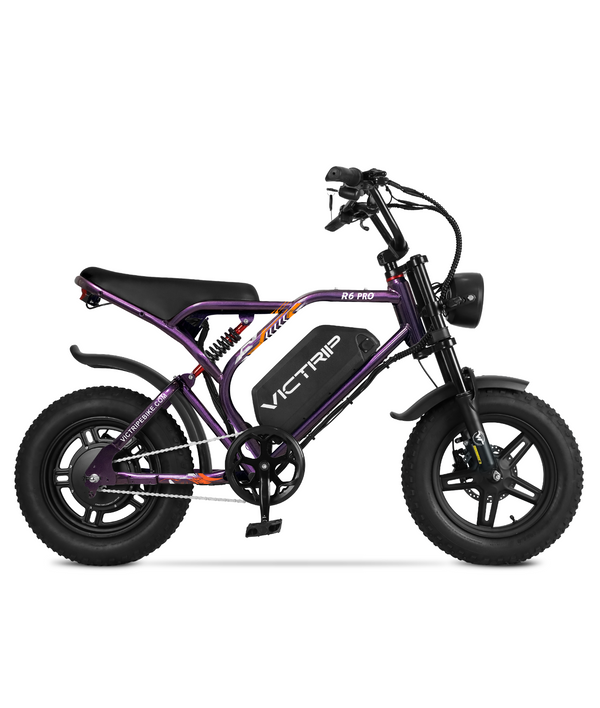
VICTRIP®R6 Pro 1500W Moped Style EBike
$1,099.00
Durability: Protecting the Frame and Components
A full suspension system protects more than the rider. It reduces stress spikes that would otherwise pass into the frame, motor mounts, and battery enclosures.
-
Longer component life: Vibrations accelerate wear on bearings, cables, and electrical connectors. Suspension reduces that vibration.
-
Fewer structural repairs: Less stress on welds and fasteners means fewer maintenance surprises.
-
Better retention of resale value: Kept in good shape, a full-suspension bike often ages better, specifically if the suspension has been maintained.
In short: suspension is an investment in reliability.
Versatility: One Bike, Many Terrains
A full suspension ebike motorcycle can be the only bike you need. It’s capable on city streets, weekend gravel tracks, and mild trails. Why is that useful?
-
Commuter who also explores: You won’t have to swap bikes for a weekend ride.
-
Family flexibility: Many riders use one full-suspension ebike for errands and trail days.
-
Weather-ready: Mud, snow, and uneven pavement become less limiting.
Buying one versatile platform can simplify ownership and provide more value over time.
Rider Confidence & Resale Value
Confidence is hard to measure, but we all feel it. A controlled ride builds confidence, which leads to safer, more frequent riding. That confidence translates to better rider skill, which is priceless. In the resale market, a well-maintained full-suspension model often commands a higher price, especially among buyers who value off-road or mixed-surface capability.
Suspension Types Compared
| Type | Pros | Cons | Best for |
|---|---|---|---|
| Rigid | Simple, light, cheap | Harsh, poor traction on rough surfaces | Smooth pavement, low budget |
| Hardtail (front suspension only) | Lighter than full, good on climbs | Rear jolts, limited off-road control | XC trails, mixed city/park rides |
| Full suspension | Best control, comfort, traction | Heavier, costlier, needs maintenance | Long commutes, touring, off-road, mixed terrains |
When to Choose Full Suspension (use cases)
-
Daily commuter on rough roads — you’ll avoid daily wear and tear.
-
Touring with luggage — the system handles variable loads and surfaces.
-
Light off-road exploration — you want confidence on gravel and singletrack.
-
Higher power ebikes — torque amplifies bumps; suspension controls the extra forces.

Buying Guide: What to Look For in a Full Suspension Ebike Motorcycle
When shopping, consider these practical items:
-
Travel: Front and rear travel (mm). More travel = more cushion, but also more weight.
-
Shock quality: Look for branded shocks or adjustable units with rebound and compression.
-
Frame strength: Robust mounts and a proven geometry matter.
-
Motor torque & placement: Mid-drive vs hub motor affects handling. A low center of gravity helps.
-
Battery protection: Shielding and secure mounts prevent damage from jolts.
-
Serviceability: Access to replacement parts and local service shops.
-
Weight: Heavier bikes may require stronger shocks; check payload specs.
-
Reviews & community feedback: Real owners reveal long-term issues.
Pro tip: demo rides matter. Feel is subjective — test rides tell you more than spec sheets.
Maintenance & Tuning: Keep Your Suspension Working
Full suspension needs care. Here are simple, grade-A maintenance tips:
-
Inspect weekly: Look for leaks, loose bolts, and sag changes.
-
Air pressure / sag check: Set sag per manufacturer instructions (often 25–30% of travel).
-
Rebound & compression: Tune for comfort and control; small adjustments matter.
-
Service intervals: Lower-level service annually; full rebuilds every 1–3 years depending on use.
-
Protect seals: Keep stanchions clean to prevent dirt from damaging seals.
If you’re not comfortable doing service, find a reputable shop — it’s worth it.
Common Myths About Full Suspension
-
“It’s only for downhill riders.” False — it benefits many everyday users.
-
“It wastes battery life.” Not inherently — better traction can offset weight penalties.
-
“It’s too complex to own.” Modern designs are increasingly reliable and serviceable.
Conclusion
Full suspension isn’t just a premium add-on — for many riders it’s a practical upgrade that improves safety, comfort, handling, and long-term durability. Whether you commute on rough streets, tour with luggage, or want an all-round recreational machine, a full suspension ebike motorcycle offers tangible benefits that can make riding safer — and more fun.
A bike like the Victrip R6 Pro Moped Style Ebike shows how a versatile, rider-friendly suspension system can enhance both comfort and control without overcomplicating the ride.
FAQ
Q1: Is a full suspension ebike motorcycle heavier than alternatives?
A1: Yes, usually by several kilograms due to the fork, shock, and linkages. However, modern materials and smart design keep weight reasonable. The riding benefits often outweigh the extra weight for many users.
Q2: Will full suspension reduce my ebike’s range?
A2: The suspension itself doesn't consume battery power. Slightly higher weight can reduce range, but improved traction and smoother power transfer can recover some efficiency. Proper tuning helps optimize performance and range.
Do I need special insurance for full suspension ebikes?
Coverage depends on local laws and the bike’s power class. Check with insurers and local authorities. If your ebike looks or performs like a moped, it may need different registration or insurance.
How often should I service the rear shock?
Light inspection weekly or monthly, lower-level service (seal change/clean) annually, and full rebuilds every 1–3 years depending on riding conditions and hours.
Can I upgrade a hardtail to full suspension?
Converting a hardtail frame to full suspension is usually impractical. It’s better to buy a purpose-built full-suspension frame for safety and performance.
Share:
$999 Moped EBike Christmas Deal: What Makes It So Popular?
E-Bike Battery Safety Guide: Stop Fires, Overheating & Thermal Runaway