


The question sounds simple, almost tempting: Can you really buy an electric bikes under $500? On the surface, the answer seems like a quick “yes.” A fast online search brings up dozens of listings claiming exactly that. However, once you dig deeper, things get complicated rather quickly.
Electric bikes aren’t just bicycles with a battery strapped on. They’re integrated machines that rely on motors, controllers, lithium batteries, and reinforced frames. All of those parts cost money. So, while the idea of electric bikes under $500 is attractive, it deserves a closer, more realistic examination.
In this guide, we’ll break down what that price point truly offers, where the compromises hide, and why many riders eventually rethink the $500 limit. Along the way, we’ll also explore smarter alternatives and share eBike Expert Views to help you make a confident, informed decision.
Understanding the $500 Electric Bike Question
Why the $500 Price Point Is So Popular
There’s a reason electric bikes under $500 get so much attention. For many first-time riders, $500 feels “safe.” It’s low-risk, accessible, and psychologically comfortable. People assume that if a regular bicycle costs a few hundred dollars, an electric one shouldn’t be that much more.
Additionally, social media ads and marketplace listings often highlight big promises: “Long range,” “Powerful motor,” and “Perfect for commuting.” At a glance, it feels like a bargain you shouldn’t miss.
What Most Buyers Expect at This Budget
Most buyers walking into this category expect a few basic things:
-
A usable motor for light assistance
-
Enough battery range for short trips
-
Basic safety and reliability
-
Minimal maintenance headaches
The problem is that expectations and manufacturing reality don’t always line up. At this price, something usually has to give—and often, it’s more than one thing.
The Real Cost of Making an Electric Bike
Battery Technology and Pricing
The battery is the heart of any electric bike, and it’s also the most expensive component. Quality lithium-ion batteries with proper safety certifications cost far more than people realize.
For electric bikes under $500, manufacturers often use:
-
Smaller-capacity battery packs
-
Lower-grade cells
-
Minimal battery management systems
This leads to shorter lifespan, inconsistent performance, and reduced safety margins. In plain terms, the battery may work—but not for long.
Motor Systems Explained
Motors are another cost driver. Reliable hub motors that deliver smooth, consistent power aren’t cheap. At the $500 level, motors are often:
-
Underpowered
-
Noisy
-
Inefficient under load
They may struggle on hills, against wind, or with heavier riders. Over time, this leads to frustration rather than freedom.
Frames, Components, and Hidden Costs
Beyond electronics, there’s the bike itself. Frames must be reinforced to handle extra weight and torque. Brakes need to stop faster, heavier machines. Drivetrains wear faster under motor assistance.
To hit ultra-low prices, manufacturers often cut corners with:
-
Basic steel frames
-
Entry-level mechanical brakes
-
Low-durability components
These savings don’t always show up immediately—but they do over months of use.
What You Actually Get with Electric Bikes under $500
Typical Specifications at This Price
Most electric bikes under $500 share similar specs:
-
Small battery capacity
-
Limited pedal-assist levels
-
Modest top speed
-
Short real-world range
On paper, these numbers may look acceptable. In practice, real-world conditions—hills, rider weight, weather—quickly expose the limits.
Common Trade-Offs and Limitations
Here’s where things get real. Common compromises include:
-
Reduced battery lifespan
-
Lower water resistance
-
Minimal warranty coverage
-
Limited customer support
So while you can buy electric bikes under $500, the experience often falls short of what riders imagine.
Safety, Durability, and Legal Considerations
Build Quality and Long-Term Reliability
Safety isn’t optional. Poor wiring, weak brakes, or unstable frames can turn a fun ride into a risky one. Lower-cost electric bikes often lack rigorous quality control, which raises concerns about long-term reliability.
Over time, riders may face:
-
Battery degradation
-
Electrical faults
-
Premature component wear
These issues can erase any upfront savings rather quickly.
Street Legality and Compliance
Electric bike regulations vary, but many regions require specific power limits and safety features. Some ultra-cheap models don’t clearly state compliance, which can lead to legal headaches down the road.
Before buying, it’s always wise to understand local e-bike classifications and requirements. Resources like the PeopleForBikes electric bike laws overview provide helpful general guidance.
Are Cheap Electric Bikes Worth It?
Short-Term Value vs Long-Term Cost
At first glance, electric bikes under $500 seem like a win. But ownership tells a different story. Frequent repairs, battery replacements, and limited performance add up.
In many cases, riders end up spending more over time—or replacing the bike entirely within a year or two.
Who This Budget Category Is Really For
This price range may suit:
-
Very occasional riders
-
Flat, short-distance use
-
DIY tinkerers who enjoy repairs
For commuters, adventure riders, or anyone seeking reliability, it’s often not the best long-term choice.
Smarter Alternatives to the $500 Limit
Stretching the Budget the Right Way
Instead of asking how to buy electric bikes under $500, a better question might be: How do I get the best value without wasting money?
A modest budget increase often delivers:
-
Better battery quality
-
Stronger motors
-
Safer braking systems
-
Longer lifespan
That difference can transform the riding experience.
Why Entry-Level Performance Still Matters
An electric bike should feel empowering, not limiting. Reliable assistance, predictable handling, and confidence-inspiring brakes matter—even for beginners.
VICTRIP eBike Expert Views: 7 Powerful Truths About Budget Electric Bikes
Drawing from hands-on testing and rider feedback, VICTRIP eBike experts highlight these critical insights:
-
Batteries define real value, not advertised range
-
Motor efficiency matters more than peak wattage
-
Frame geometry affects safety as much as comfort
-
Cheap brakes are the most dangerous compromise
-
Water resistance is often overlooked—but essential
-
Support and parts availability save money long-term
-
A slightly higher upfront cost often means years of extra use
These expert views underline a simple truth: value isn’t just about price—it’s about performance over time.
A Value-Focused Recommendation That Makes Sense
Why the VICTRIP R6 Changes the Conversation
While true electric bikes under $500 come with heavy compromises, some models just above that threshold deliver dramatically better value. A strong example is the VICTRIP R6 Off Road eBike.
Rather than chasing the lowest possible price, the VICTRIP R6 focuses on balanced performance, safety, and durability—areas where ultra-cheap bikes often fail.
Performance, Safety, and Real-World Use
The VICTRIP R6 stands out with:
-
A robust frame built for stability
-
Consistent motor output for varied terrain
-
A battery system designed for longevity
-
Components chosen for real-world riding, not just specs
For riders who initially search for electric bikes under $500, the R6 often becomes a smarter, longer-lasting investment.
TOP PICK
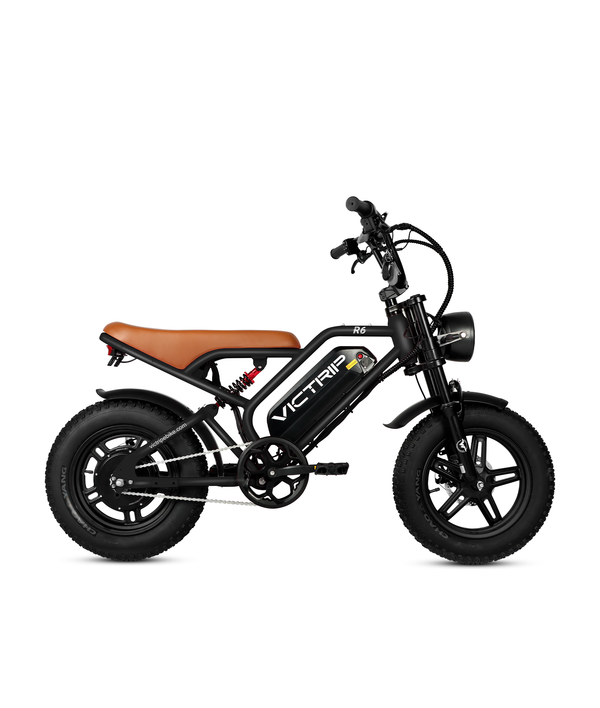
VICTRIP®R6 Moped Ebike for Teens
$799.00
Conclusion
So, can you really buy electric bikes under $500? Technically, yes. Practically, it’s complicated. While the price is tempting, the compromises are real—and often costly in the long run.
By understanding where corners are cut and listening to VICTRIP eBike Expert Views, riders can make smarter choices. For many, investing in a value-driven model like the VICTRIP R6 isn’t just about spending more—it’s about riding with confidence, safety, and satisfaction for years to come.
FAQs
Can electric bikes under $500 handle daily commuting?
They can manage very short, flat commutes, but reliability and battery life are often limited.
Why are batteries so expensive on e-bikes?
Lithium-ion cells, safety systems, and quality control drive up costs significantly.
Are cheap electric bikes safe?
Some are, but many cut corners on brakes, wiring, or frames, which raises safety concerns.
Is it better to buy used instead of new under $500?
Used bikes can offer better value, but battery health must be carefully checked.
Why do experts recommend stretching the budget?
A slightly higher price often delivers far better durability, safety, and performance.
Share:
Can You Really Find Electric Bikes Under $100 Dollars?
VICTRIP 5th Anniversary: R6 Series from $799 & Free $177 Kit