


Outdoor recreation is evolving fast, and one question keeps popping up across trails, forums, and adventure communities: why off road eBikes are replacing ATVs for outdoor fun. Not long ago, ATVs were the undisputed kings of dirt trails and rugged backcountry exploration. Today, however, off road eBikes are carving out serious territory—and doing it quietly, efficiently, and intelligently.
This shift isn’t a fad. It’s a response to rising fuel costs, tighter land-use regulations, environmental awareness, and a growing desire for accessible adventure. Let’s break down exactly why off road eBikes are replacing ATVs for outdoor fun and why this trend is accelerating worldwide.
The Evolution of Outdoor Adventure Vehicles
From Gas Power to Electric Freedom
For decades, ATVs symbolized freedom. Loud engines, aggressive torque, and brute strength made them ideal for rough terrain. But that freedom came at a price — fuel dependency, emissions, noise, and rising maintenance costs.
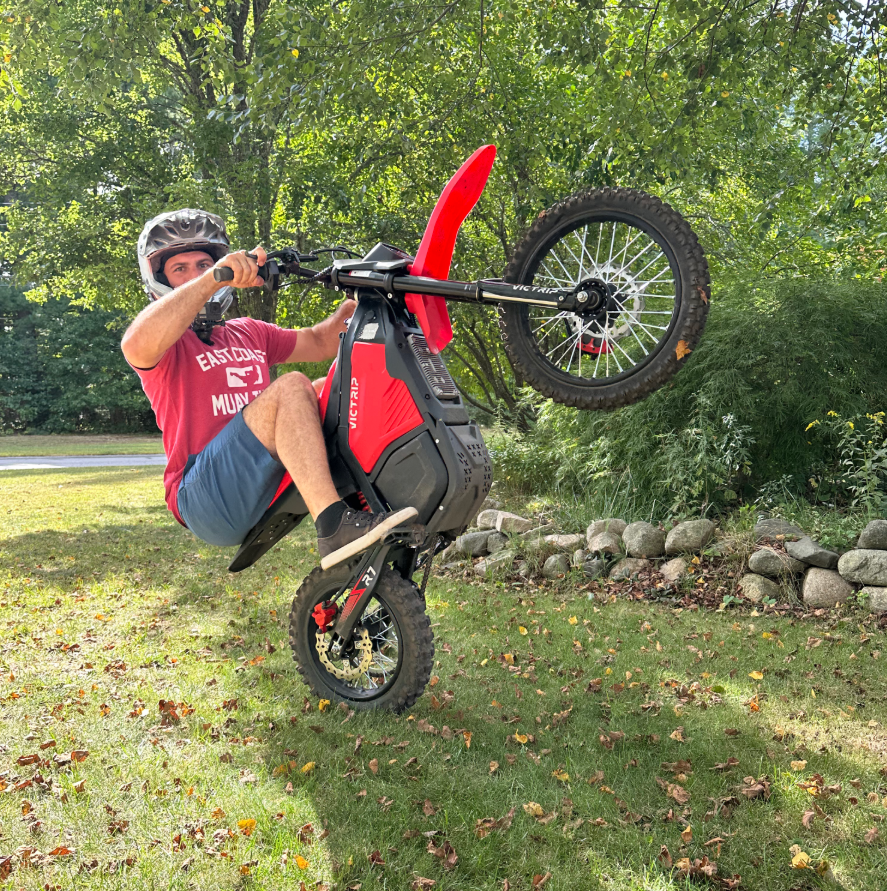
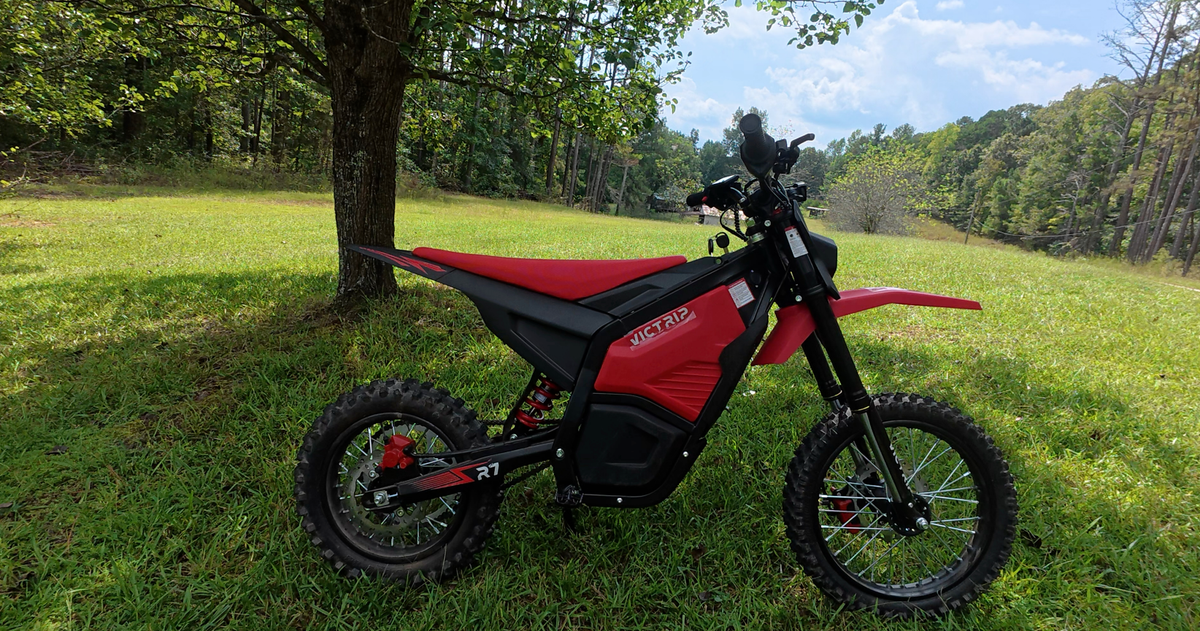
Off road eBikes flipped that script. Powered by high-torque electric motors and advanced battery systems, they deliver instant power without combustion. Riders no longer smell gas or hear engine roar. Instead, they experience smooth acceleration and trail immersion. One standout example is the VICTRIP R6 off-road eBike — a robust, torque-rich electric bike that proves how capable modern eBikes have become while making outdoor exploration more sustainable.
This evolution mirrors what we’ve seen in cars and commuting bikes. Electric isn’t just an alternative — it’s quickly becoming the default.
Changing Rider Expectations
Modern riders want more than raw power. They want:
-
Lower operating costs
-
Less environmental impact
-
Easier learning curves
-
Access to more trails
That’s exactly why off road eBikes are replacing ATVs for outdoor fun. Riders expect versatility, not just muscle.
What Are Off Road eBikes?
Core Components Explained
Off road eBikes are purpose-built electric bicycles designed for rugged terrain. Key components include:
-
High-torque mid-drive or hub motors
-
Reinforced frames (often aluminum or carbon)
-
Long-travel suspension systems
-
Fat or knobby tires for traction
-
High-capacity lithium batteries
These bikes are engineered to handle dirt, sand, mud, snow, and steep inclines—without sacrificing rider control.
Off Road eBike vs Traditional eBike
Unlike city or commuter eBikes, off road eBikes focus on durability and performance. They feature:
-
Stronger motors
-
Enhanced suspension
-
Trail-ready geometry
This specialized design is a major reason why off road eBikes are replacing ATVs for outdoor fun, especially in mixed-use environments.
Why Off Road eBikes Are Replacing ATVs
Cost Efficiency and Ownership Savings
One of the biggest reasons why off road eBikes are replacing ATVs for outdoor fun is cost. Let’s compare:
| Expense | ATV | Off Road eBike |
|---|---|---|
| Purchase Price | High | Moderate |
| Fuel | Ongoing | None |
| Maintenance | Frequent | Minimal |
| Insurance | Often Required | Usually Not |
| Storage | Large Space | Compact |
Over time, off road eBikes can cost thousands less to own and operate. No gas. Fewer moving parts. Less downtime.
Environmental Impact and Sustainability
ATVs emit exhaust, leak fluids, and generate significant noise pollution. In contrast, off road eBikes:
-
Produce zero emissions
-
Preserve trail integrity
-
Reduce wildlife disturbance
Many public lands are now encouraging electric alternatives. According to the U.S. Bureau of Land Management, sustainable recreation is a growing priority (see blm.gov for trail access guidance).
This environmental edge is a key factor in why off road eBikes are replacing ATVs for outdoor fun across protected areas.
Accessibility and Ease of Use
ATVs require strength, experience, and confidence. Off road eBikes, however:
-
Are lighter and more maneuverable
-
Offer pedal assist for fatigue reduction
-
Have adjustable power modes
This means more people can ride—regardless of age or fitness level.
Performance Comparison: Off Road eBikes vs ATVs
Speed, Torque, and Terrain Handling
ATVs still dominate in raw hauling power, but off road eBikes excel in technical terrain. Electric motors deliver instant torque, making steep climbs surprisingly manageable.
Off road eBikes also shine on narrow trails where ATVs struggle. Their agility and precision offer a more engaging ride.
Maintenance and Reliability
ATVs require:
-
Oil changes
-
Belt replacements
-
Engine servicing
Off road eBikes? Mostly:
-
Chain lubrication
-
Brake checks
-
Battery care
Less wrenching means more riding—which further explains why off road eBikes are replacing ATVs for outdoor fun.
Legal Access and Trail Availability
Public Lands and Trail Regulations
Many trails prohibit ATVs due to erosion and noise. Off road eBikes, especially Class 1 and Class 2 models, are often allowed where motorized vehicles are not.
This legal flexibility dramatically expands riding opportunities.
Where Off Road eBikes Can Go
Off road eBikes can access:
-
Multi-use trails
-
Mountain bike parks
-
Forest service roads
More access equals more adventure.

Safety, Skill Level, and Learning Curve
Beginner-Friendly Design
Off road eBikes are intuitive. Riders can start slow, increase assist gradually, and build confidence over time.
ATVs, by contrast, demand immediate skill and respect due to their weight and speed.
Risk Management and Control
Better braking, lower mass, and improved balance reduce accident severity. This safety advantage is another reason why off road eBikes are replacing ATVs for outdoor fun among families and casual riders.
Who Should Choose an Off Road eBike?
Casual Riders
Perfect for weekend explorers who want fun without hassle.
Adventure Enthusiasts
Ideal for riders who value technical terrain and endurance.
Eco-Conscious Explorers
A smart choice for those who respect nature and sustainability.
Conclusion: The Future of Outdoor Fun
The question is no longer if electric will dominate outdoor recreation—it’s how fast. With lower costs, broader access, and a lighter environmental footprint, it’s clear why off road eBikes are replacing ATVs for outdoor fun.
They don’t just replicate the experience—they redefine it. Quieter rides, deeper trail connection, and freedom without fuel are shaping the next era of adventure.
And honestly? This shift is just getting started.
FAQs
1. Are off road eBikes powerful enough to replace ATVs?
Yes. While they don’t tow heavy loads, they deliver ample torque for trail riding.
2. Why off road eBikes are replacing ATVs for outdoor fun so quickly?
Lower costs, wider trail access, and eco-friendly design drive rapid adoption.
3. Do off road eBikes require a license?
In most regions, no license or registration is required.
4. How far can an off road eBike go on one charge?
Ranges typically vary from 30 to 70 miles depending on terrain and assist level.
5. Are off road eBikes suitable for beginners?
Absolutely. Adjustable assist modes make learning easy.
6. Can off road eBikes handle extreme terrain?
Yes. High-quality models are built for mud, sand, rocks, and steep climbs.
Share:
This Is Why More Adults Are Switching to Three Wheels
Electric Bike Charger Explained: How It Works, Types, and What to Buy