

E-bikes may look simple on the outside, but under the frame lies a carefully balanced electrical system. At the heart of this system are volts vs watts, two measurements that define how an electric bike performs in real life. Riders often see numbers like 48V 750W or 52V 1000W and assume bigger is always better. However, that assumption can be misleading.
In reality, volts vs watts represent different aspects of electrical power. Voltage influences how fast energy moves through the system, while wattage determines how much total power the motor can deliver. Together, they shape acceleration, climbing ability, cruising speed, and even battery longevity.
Understanding volts vs watts is essential if you want to buy the right e-bike, maintain it properly, and ride safely within legal limits. This guide breaks down everything in plain language, so you don’t need an engineering degree to follow along.
What Are Volts? (Voltage Explained Simply)
Voltage, measured in volts (V), represents electrical pressure. Think of it like water pressure in a hose. Higher voltage means electricity flows more easily through the motor system.
Voltage and E-Bike Performance
In e-bikes, voltage directly affects:
-
Top speed potential
-
Efficiency at higher speeds
-
Reduced heat buildup
For example:
-
36V systems are common in entry-level city e-bikes
-
48V systems dominate mid-range and commuter models
-
52V systems are often found in high-performance e-bikes
Higher voltage doesn’t automatically mean more power, but it allows the motor to operate more efficiently. That’s why volts vs watts must always be considered together.
Read More: 36V Vs. 48V eBike Batteries: Which One Is Right for You?
What Are Watts? (Wattage Demystified)
Watts (W) measure power output. In simple terms, watts tell you how much work the motor can do.
Formula:
Watts = Volts × Amps
Continuous vs Peak Watts
-
Continuous watts: power the motor can sustain safely
-
Peak watts: short bursts during acceleration or hill climbs
A 750W motor might peak at 1000W for a few seconds. When comparing volts vs watts, always check whether the rating is continuous or peak.
Watts directly affect:
-
Hill-climbing strength
-
Load capacity
-
Acceleration
Volts vs Watts: The Core Difference
The simplest way to understand volts vs watts is this:
-
Volts = how fast energy moves
-
Watts = how much energy is delivered
A high-voltage, low-watt system may feel smooth but weak on hills. A low-voltage, high-watt system may feel punchy but inefficient. Balance is key.
How volts and watts relate: the math and the rules
The central relationship is:
P = V × I
Where:
-
P = power in watts (W)
-
V = voltage in volts (V)
-
I = current in amperes (A)
If you know two of these values, you can compute the third. Ohm’s Law ties voltage and current to resistance (R):
V = I × R
From Ohm’s Law you can derive alternate power formulas:
P = I² × R and P = V² ÷ R
These are useful when you don’t have current directly but know resistance.
When current (amps) is known
If you have a 12 V supply and a device drawing 2 A, then:
P = 12 V × 2 A = 24 W
When resistance is known
If a resistor of 6 Ω is across a 12 V source:
P = V² ÷ R = 12² ÷ 6 = 144 ÷ 6 = 24 W
(Which matches P = I² × R after computing I = V / R = 2 A.)
How Volts and Watts Work Together in an E-Bike
The Role of Amps
Amps (A) represent current flow. While riders rarely see amp ratings, amps complete the volts vs watts equation.
Higher voltage systems usually require lower amps to achieve the same wattage. That means:
-
Less heat
-
Better efficiency
-
Longer component lifespan
This is why modern performance e-bikes favor higher voltage designs.
Why Volts Matter for E-Bike Speed
Speed depends heavily on voltage. Higher voltage allows the motor to spin faster under load. That’s why:
-
36V e-bikes typically top out around 20 mph
-
48V systems feel quicker and more responsive
-
52V systems excel at sustained high speeds
However, speed isn’t just about volts vs watts. Motor design, controller limits, and gearing also matter.
Why Watts Matter for E-Bike Power and Torque
Watts define how hard your e-bike can work. Higher wattage means:
-
Easier hill climbs
-
Better performance with cargo
-
Stronger acceleration
A 250W commuter bike feels very different from a 750W or 1000W e-bike. In the volts vs watts debate, watts dominate when torque is the priority.

Common E-Bike Voltage and Wattage Combinations
| Voltage | Wattage | Best Use Case |
|---|---|---|
| 36V | 250W–500W | Urban commuting |
| 48V | 500W–750W | Mixed terrain |
| 52V | 750W–1000W | Hills & performance |
This table shows why volts vs watts must be evaluated as a pair, not separately.
How Battery Voltage Impacts Range
Higher voltage doesn’t automatically increase range. Battery capacity (Ah) matters more. Still, higher voltage systems often operate more efficiently, which can indirectly improve real-world range.
Range depends on:
-
Riding style
-
Terrain
-
Total system efficiency
Motor Efficiency and Real-World Performance
Two e-bikes with identical volts vs watts can feel completely different. Motor quality, controller tuning, and drivetrain efficiency all play a role.
Efficient systems:
-
Waste less energy as heat
-
Deliver smoother power
-
Extend battery lifespan
Legal Limits: Volts vs Watts in E-Bike Regulations
Most regulations focus on wattage, not voltage.
-
US Class 1 & 2: typically 750W max
-
EU: 250W continuous limit
Voltage is rarely regulated directly, but exceeding watt limits can make an e-bike illegal for public roads.
Choosing the Right Volts and Watts for Your Riding Style
Ask yourself:
-
Flat city streets or steep hills?
-
Lightweight commuting or cargo hauling?
-
Legal compliance or off-road performance?
For most riders, a 48V 750W setup offers the best balance in the volts vs watts equation.
Conclusion: Making Smart Power Choices
Understanding volts vs watts transforms you from a casual buyer into an informed rider. Instead of chasing the biggest numbers, focus on balance, efficiency, and real-world needs.
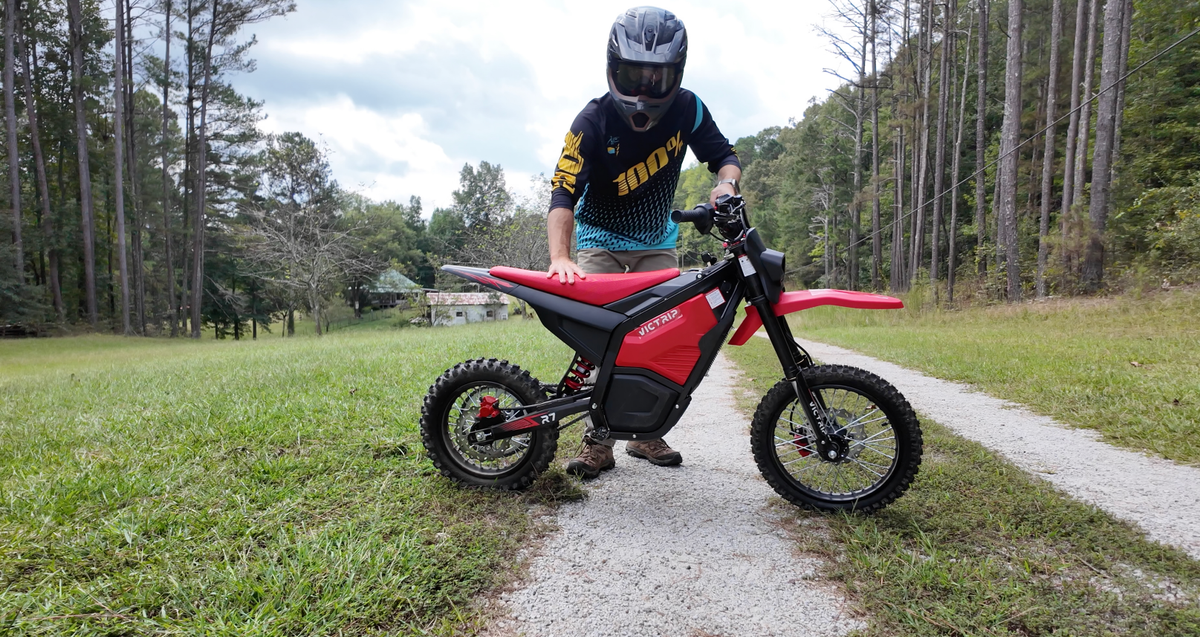
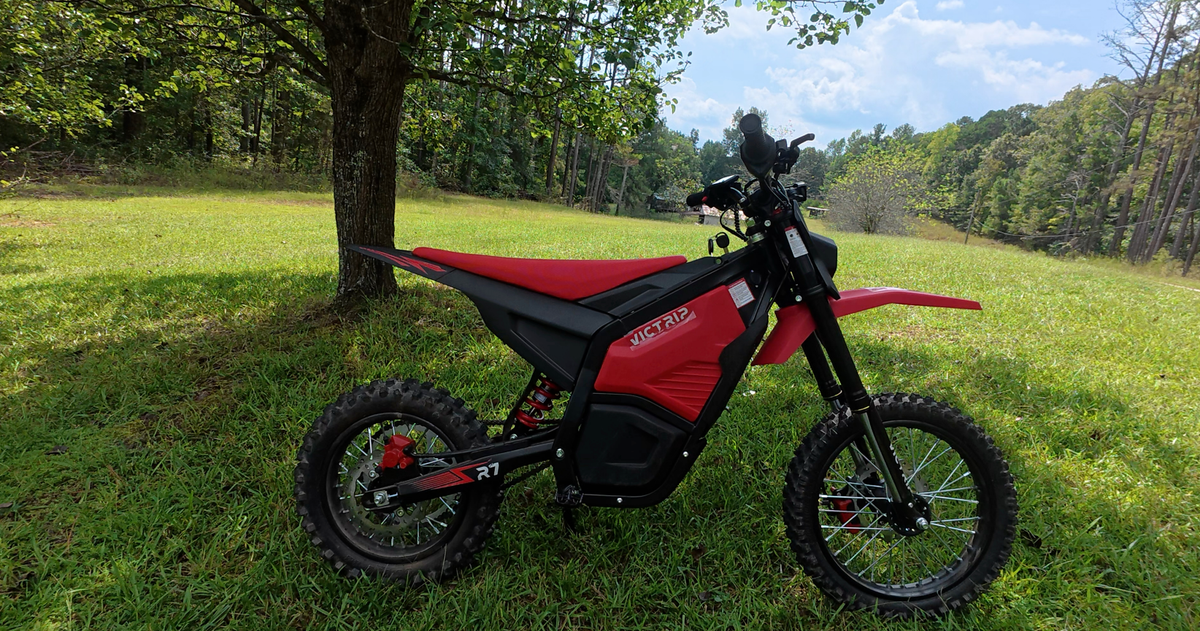
When evaluating modern e-bikes, brands like VICTRIP eBike design their systems with this balance in mind, pairing voltage and wattage carefully to deliver smooth, reliable performance without unnecessary excess.
Choose wisely, ride confidently, and let knowledge power your journey.
FAQs
Is higher voltage better for e-bikes?
Not always. Higher voltage improves efficiency and speed potential, but wattage determines real power.
Can I upgrade volts without changing watts?
Usually no. Controllers and motors must match voltage ratings.
What’s better for hills: volts or watts?
Watts matter more for torque and climbing.
Are 52V batteries safe?
Yes, when paired with compatible components.
Which matters more: volts vs watts?
Neither alone. Performance comes from balance.
Share:
Are Step Through Electric Bikes Better for Beginners?
What Gift to Give Your Boyfriend on Valentine's Day?