

Electric bikes (e-bikes) have shifted from niche gadgets to mainstream transportation. With urban congestion, flexible mobility needs, and rising fuel costs, many commuters and casual riders alike are asking: Should I rent or buy an e-bike?
At first glance, renting seems cheaper — no commitment, mechanical worries, or long-term ownership costs. But when you factor in frequency of use, maintenance, and long-term value, buying may be the smarter investment. In this guide, we’ll break down every angle of renting vs buying an e-bike, including cost comparisons, lifestyle factors, and real product examples.
How to approach the rent-vs-buy question
The simplest and most reliably useful approach is to compare total annual rental costs against the total first-year ownership cost (bike + accessories + expected maintenance + insurance). Renting has a low barrier to entry but recurring fees that accumulate. Buying requires more upfront capital but usually becomes less expensive the more you ride. The break-even point depends largely on how often and how far you ride, but other factors—maintenance, storage, theft risk, and technology obsolescence—matter too.

What you pay when you rent
Rental costs are generally straightforward and predictable:
-
Hourly or daily fees for casual, tourist, or short trips.
-
Unlock or booking fees on some services.
-
Monthly subscription plans in many urban services, often including maintenance and theft protection.
Renting shifts most responsibility for maintenance and repairs to the operator. It’s low-commitment and very attractive if you ride infrequently, are testing e-bike commuting, lack secure storage, or travel and only need an e-bike occasionally.
What you pay when you buy
Buying an e-bike involves several cost categories:
-
Purchase price (wide range depending on quality and features).
-
Essential accessories (lock, helmet, lights, sometimes racks or panniers).
-
Maintenance and repairs (tires, brake pads, periodic servicing).
-
Battery wear and eventual replacement.
-
Optional insurance or theft protection in higher-risk areas.
Ownership lets you choose a bike tailored to your needs (range, cargo capability, comfort), but you absorb depreciation and the hassle of upkeep.
Factor 1: Frequency of Use
How often you ride should heavily influence your decision.
Daily Commuters vs Occasional Riders
If you ride your e-bike regularly — nearly every day — buying often becomes cheaper over time. The initial investment gets spread across many rides, and you avoid cumulative rental fees.
If you're only riding sporadically — say, once or twice a month — renting could keep costs low.
Quick Rule:
-
Frequent rider (15+ rides/month)? Buying usually wins financially.
-
Infrequent rider? Renting keeps costs minimal.
Factor 2: Maintenance and Repair Costs
Maintenance is one of the biggest hidden costs of owning an e-bike.
Who Pays for What?
Owning means you’re responsible for:
-
Brake adjustments
-
Tire replacements
-
Battery wear
-
Any mechanical issues
Though routine service is generally affordable, it adds up over time.
With rentals, maintenance is usually covered. If something breaks or wears down, the service provider fixes it or swaps the bike — which can save you money and headaches.
Factor 3: Depreciation and Resale Value
E-bikes lose value over time, just like cars.
How E-Bikes Lose Value Over Time
Typical depreciation might look like:
-
Year 1: ~25–30% drop
-
Year 3: ~50–60% drop
-
Year 5+: Battery replacement often needed
Good resale value softens the blow, but depreciation is still a real cost. Renting sidesteps depreciation entirely.
Factor 4: Storage, Insurance, and Security
Owning an e-bike comes with logistic costs:
Hidden Ownership Costs
You may need:
-
A secure storage solution
-
A quality lock ($80+)
-
Insurance in some cities
Rental services often include theft protection, which is another reason renters pay predictable monthly fees.
Factor 5: Technology Obsolescence
E-bike tech evolves quickly.
Keeping Up With Innovation
Better batteries, smarter motors, and improved connectivity arrive yearly. If you own a bike for five years, you might feel outdated quickly. Renting lets you access newer tech regularly.
Buying can still be worth it — especially with models like the Titan S Long Range or Mimas Step Through eBike with strong long-term performance — but consider how future upgrades might impact your satisfaction.
Factor 6: Lifestyle Flexibility
Life changes — and so do your mobility needs.
Urban Living, Travel, and Convenience
If you move often, travel, or lack secure storage, renting reduces hassle. Owning works best if you have stable housing and a routine commute.
Both models mentioned above reward consistency. For frequent riders with storage, buying makes sense.
Two Buyable Models Worth Considering
VICTRIP Titan S Long Range Electric Bike
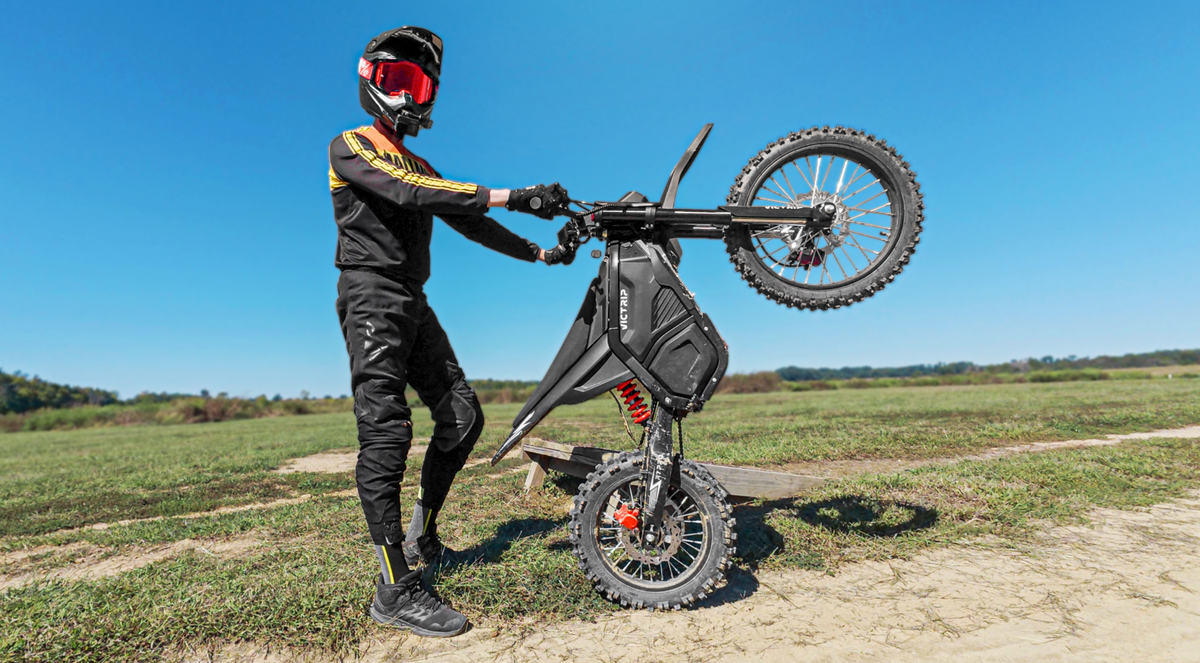
If you’re considering buying because you ride long commutes or want dependable range and performance, a long-range commuter is worth a look. The Titan S Long Range Electric Bike is an example of a model built for longer trips and daily use. Because long-range models reduce range anxiety and reduce reliance on frequent charging, they can be especially cost-effective for riders who use their e-bike for long daily commutes.
TOP PICK
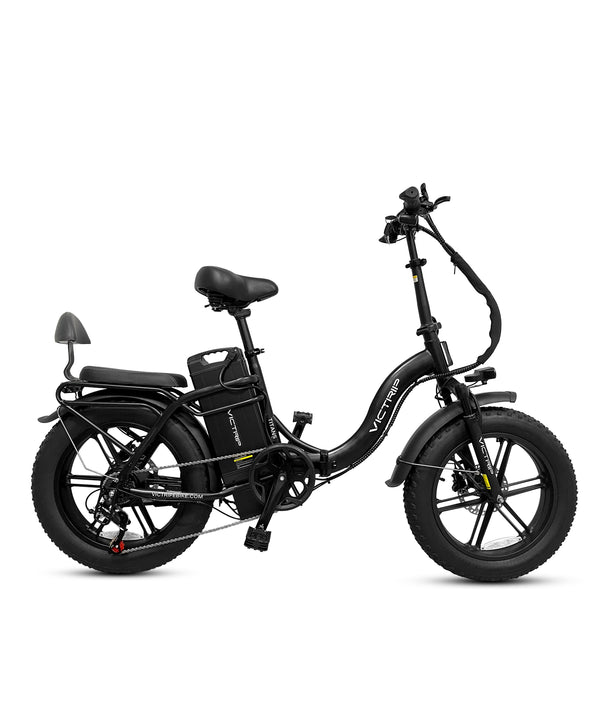
VICTRIP®TITAN S 1000W Ebike
$1,499.00
VICTRIP Mimas Step Through eBike
For riders who value comfort and accessibility—frequent short trips, errands, or city riding—the Mimas Step-Through eBike provides easy mounting, a comfortable riding position, and practical daily usability. Step-through frames are popular in urban environments where you frequently get on and off the bike. If this matches your use case, a step-through model can make owning an e-bike more likely to replace car trips and save money over time.
TOP PICK
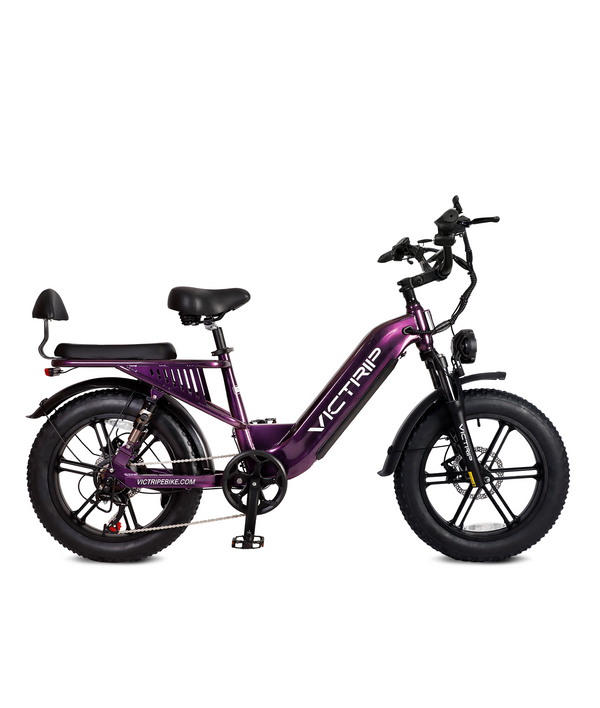
VICTRIP® Mimas Electric Bicycles With Torque Sensors
$1,399.00
Factor 7: Long-Term Financial Comparison
Here’s a simple cost comparison:
| Time Span | Renting (~$120/mo) | Buying ($2000 purchase + maintenance) |
|---|---|---|
| 1 Year | $1,440 | ~$2,200 |
| 3 Years | $4,320 | ~$2,900 |
| 5 Years | $7,200 | ~$3,600+ battery |
Over 3–5 years, buying often becomes far cheaper — especially with capable models like the Titan S or Mimas.
Renting vs Buying an E-Bike: Side-by-Side Comparison
| Factor | Renting | Buying |
|---|---|---|
| Upfront Cost | Low | High |
| Monthly Cost | Ongoing | One-time + maintenance |
| Maintenance | Included | Owner pays |
| Resale Value | None | Yes |
| Flexibility | High | Moderate |
Environmental and Economic Considerations
E-bikes reduce carbon emissions and traffic congestion. Shared rental fleets reduce production waste, but owning a durable bike that replaces car trips delivers significant environmental benefits.
Conclusion: Which Option Wins Financially?
When comparing renting vs buying an e-bike, the answer depends on your riding habits, budget, and long-term goals. For frequent riders, buying a bike like the Titan S Long Range Electric Bike or the Mimas Step Through eBike often makes clear financial sense over time.
Renting remains a smart choice for occasional riders, travelers, or those unsure about long-term commitment. Either way, e-bikes are reshaping how we move — and understanding the numbers helps you make the right choice for your lifestyle.
FAQs
1. Is renting ever cheaper than buying?
Yes — especially if you ride infrequently or only seasonally.
2. How long until buying pays off?
Typically 18–30 months for regular riders.
3. Are high-end e-bikes worth it?
If you ride often, yes — models like Titan S or Mimas offer durability and performance.
4. Does maintenance add up?
Over years, yes — but buying still typically costs less long-term than renting continuously.
Share:
How to Winter-Proof Your Adult Electric Trike
Why Commuter E-Bikes Are the Future of Urban Transportation?