


The debate surrounding electric bikes vs regular bikes for 10-year-olds has become increasingly important as more families explore modern transportation and outdoor recreation options. Parents want a bike that is safe, enjoyable, educational, and capable of encouraging healthy habits.
A decade ago, the choice was simple. Most children rode traditional bicycles. Today, however, electric bikes have entered the market with features designed specifically for younger riders. These bikes offer pedal assistance, enhanced comfort, and exciting technology that can make riding more accessible.
Key Takeaways
Regular bikes maximize exercise
Traditional bicycles provide stronger cardiovascular workouts and help develop balance, coordination, and riding fundamentals.
Electric bikes make riding easier
Pedal assistance helps children tackle hills, ride longer distances, and stay engaged on family outings.
Safety depends on the rider and the setup
Age-appropriate speed limits, quality brakes, protective gear, and supervision matter more than bike type alone.
Regular bikes cost less
Traditional bikes generally have lower purchase prices and simpler maintenance requirements than e-bikes.
The best choice is the one that gets your child riding
Choose the option that encourages safe outdoor activity, builds confidence, and fits your family's riding habits.
Understanding Electric Bikes and Regular Bikes
What Is an Electric Bike?
An electric bike, often called an e-bike, combines traditional bicycle components with an electric motor and battery. Most youth-oriented electric bikes provide pedal assistance, meaning the motor helps the rider while pedaling.
Common e-bike features
- Rechargeable battery
- Electric motor
- Speed limiter
- Pedal-assist modes
- Digital display
- Improved hill-climbing capability
Unlike motorcycles, electric bikes still encourage active participation from the rider.
What Is a Regular Bike?
A regular bike relies entirely on human power. The rider pedals to generate movement and controls speed through physical effort.
Typical regular bike features
- Mechanical drivetrain
- Pedal-powered operation
- Lightweight frame
- Simple maintenance requirements
- Lower purchase price
Many parents appreciate the simplicity and reliability of traditional bicycles.
Why Parents Compare Electric Bikes vs Regular Bikes for 10-Year-Olds
The popularity of youth electric bikes has created a new category that bridges the gap between traditional bicycles and motorized recreational vehicles.
Parents compare electric bikes vs regular bikes for 10-year-olds because children's needs vary significantly.
Factors influencing the decision include:
| Factor | Electric Bike | Regular Bike |
|---|---|---|
| Physical Effort | Moderate | High |
| Riding Distance | Longer | Shorter |
| Learning Curve | Easier | Traditional |
| Cost | Higher | Lower |
| Technology | Advanced | Basic |
| Maintenance | Moderate | Simple |
The right choice often depends on the child's experience, confidence level, and intended riding environment.
Physical Exercise Benefits
One of the biggest concerns regarding electric bikes vs regular bikes for 10-year-olds involves exercise.
Exercise on Regular Bikes
Traditional bicycles provide outstanding cardiovascular benefits.
Children develop:
- Leg strength
- Endurance
- Balance
- Coordination
- Core stability
Because all movement comes from pedaling, regular bikes maximize physical activity.
Benefits include:
- Increased calorie expenditure
- Better cardiovascular health
- Stronger muscles
- Improved balance
- Enhanced motor skills
For active children who enjoy physical challenges, regular bikes remain an excellent option.
Exercise on Electric Bikes
Many people mistakenly believe electric bikes eliminate exercise. In reality, riders still pedal and remain physically active.
Research suggests that e-bike riders often:
- Ride longer distances
- Spend more time outdoors
- Participate more frequently
- Explore challenging terrain
Children who may become tired on traditional bicycles often stay engaged longer when using pedal assistance.
As a result, electric bikes can sometimes increase total activity levels despite reducing effort per mile.

Safety Considerations
Safety remains the most important factor when evaluating electric bikes vs regular bikes for 10-year-olds.
Speed Control
Electric bikes can travel faster than traditional bicycles, making speed management critical.
Parents should prioritize:
- Age-appropriate models
- Adjustable speed settings
- Reliable braking systems
- Supervised riding
Many youth-focused electric bikes include factory speed limits specifically designed for younger riders.
Protective Equipment
Regardless of bike type, children should always wear:
- Helmet
- Knee pads
- Elbow pads
- Closed-toe shoes
- Bright clothing
Proper safety gear dramatically reduces injury risk.
Riding Environment
The safest riding environments include:
- Bike paths
- Parks
- Residential neighborhoods
- Dedicated cycling areas
Heavy traffic areas should be avoided until children demonstrate strong riding skills.
Confidence and Skill Development
Learning confidence is one of the hidden advantages of cycling.
When discussing electric bikes vs regular bikes for 10-year-olds, confidence often influences long-term riding success.
Regular Bikes
What children learn
- Self-reliance
- Endurance
- Balance mastery
- Physical discipline
Electric Bikes
How assistance can help
- Overcome difficult hills
- Keep pace with family rides
- Ride greater distances
- Build confidence gradually
Children who become discouraged by difficult terrain may find electric bikes more motivating.
Cost Comparison
Budget plays a significant role in purchasing decisions.
Purchase Price
Generally:
| Bike Type | Typical Cost Range |
|---|---|
| Regular Bike | $150-$600 |
| Youth Electric Bike | $500-$2,000+ |
Electric bikes require batteries, motors, and electronic components, increasing manufacturing costs.
Maintenance Costs
Regular bikes require:
- Tire replacements
- Brake adjustments
- Chain lubrication
Electric bikes may additionally require:
- Battery replacement
- Motor diagnostics
- Electronic maintenance
While maintenance remains manageable, e-bikes typically cost more over time.
Technology and Modern Features
Technology is one area where electric bikes clearly stand out.
Features may include:
- LCD displays
- Battery monitoring
- Riding modes
- Integrated lighting
- Smartphone connectivity
- GPS tracking
Tech-savvy children often enjoy these advanced features.
For example, youth-oriented electric bikes such as the VICTRIP lineup have gained popularity because they combine modern styling with rider-friendly technology. Families seeking adventure-focused options often explore models like the VICTRIP R6 off-road e-bike, which is designed for recreational trail riding and outdoor exploration.
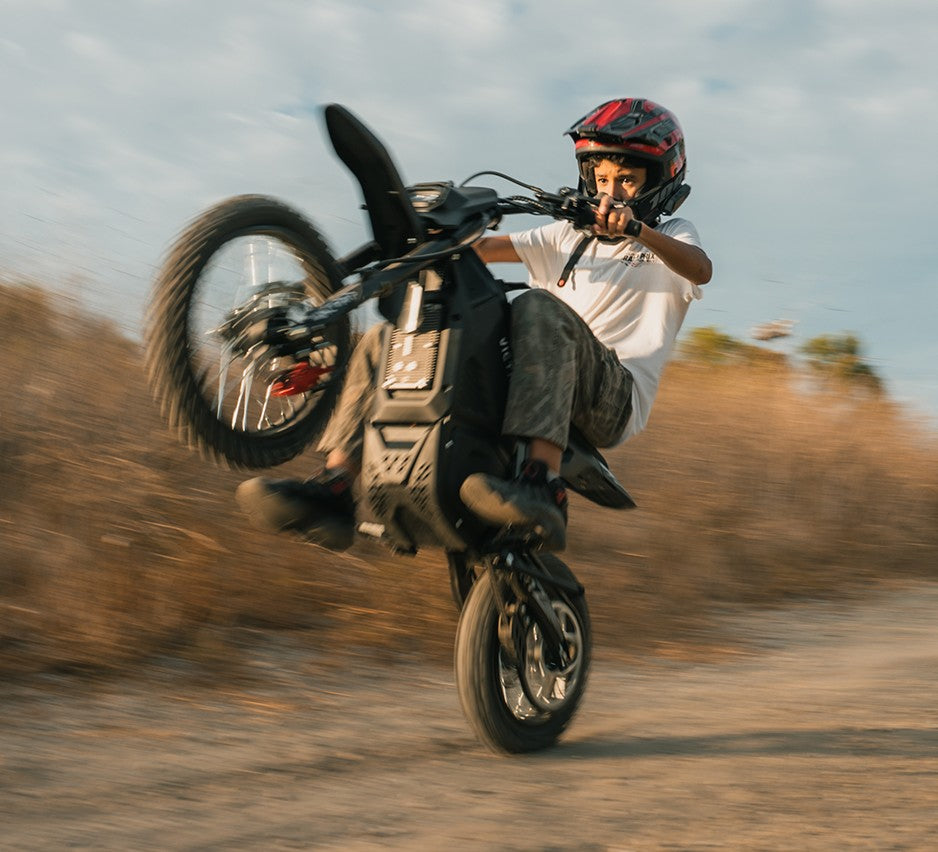
Similarly, younger riders interested in electric dirt-bike styling frequently consider the VICTRIP X9 electric dirt bike for kids, a model created specifically for youth riders seeking an exciting yet approachable riding experience.
These products demonstrate how electric bikes continue evolving to meet the needs of modern families.
Environmental Benefits
Both bike types offer environmental advantages.
Compared with cars:
- Lower emissions
- Reduced congestion
- Less energy consumption
- Smaller environmental footprint
Electric bikes consume electricity but still produce dramatically fewer emissions than automobiles.
For families prioritizing sustainability, both options represent environmentally responsible choices.
Social and Recreational Advantages
Cycling creates opportunities for family bonding and social interaction.
Benefits include:
- Family rides
- Outdoor adventures
- Neighborhood exploration
- Friendship development
- Community activities
Electric bikes often allow children to participate in longer rides alongside parents.
This equalizes riding abilities and enables shared experiences that might otherwise be difficult.
When an Electric Bike Is the Better Choice
An electric bike may be ideal when:
Long Family Rides Are Common
Pedal assistance helps children keep pace during extended outings.
Hilly Terrain Exists
Steep hills become more manageable.
Confidence Needs Improvement
Electric assistance can reduce frustration and increase enjoyment.
Technology Motivates the Child
Many children enjoy interactive displays and modern features.
Outdoor Participation Needs Encouragement
E-bikes can make riding more appealing to reluctant riders.
When a Regular Bike Is the Better Choice
Traditional bicycles may be preferable when:
Exercise Is the Primary Goal
Regular bikes maximize physical effort.
Budget Is Limited
Traditional bicycles cost significantly less.
Simple Maintenance Is Desired
Fewer components mean fewer repairs.
Basic Riding Skills Are Still Developing
Many experts recommend mastering traditional cycling fundamentals first.
Short Neighborhood Rides Are Typical
Electric assistance may not be necessary for brief rides.
How to Choose the Right Bike for Your Child
Choosing between electric bikes vs regular bikes for 10-year-olds requires evaluating several factors.
Consider Your Child's Experience Level
Ask whether they are already comfortable riding, have strong balance skills, and can ride independently.
Evaluate Local Terrain
Flat neighborhoods may favor traditional bikes, while mountainous regions may favor electric assistance.
Assess Family Riding Habits
Families who enjoy longer recreational rides often benefit from e-bikes.
Determine Budget
Consider both purchase price and long-term maintenance costs.
Review Local Regulations
Some areas have age restrictions regarding electric bike operation, so always verify local laws before purchasing.
Helpful safety resource
For current cycling safety recommendations, parents can review resources from the National Highway Traffic Safety Administration (NHTSA).
Recommended Options for Young Riders
When evaluating bikes for children, prioritize:
- Proper sizing
- Quality brakes
- Comfortable seating
- Durable construction
- Age-appropriate speed limits
Regardless of model selection, safety, supervision, and proper training should always remain priorities.
Conclusion
The decision between electric bikes vs regular bikes for 10-year-olds ultimately depends on the child's needs, riding environment, confidence level, and family goals.
Regular bikes remain unmatched for maximizing exercise, simplicity, affordability, and fundamental skill development. They continue to be an excellent choice for many children.
At the same time, electric bikes offer exciting advantages. They help children ride farther, tackle hills more easily, stay engaged longer, and participate in family adventures that might otherwise feel challenging.
Rather than viewing one option as universally superior, parents should focus on matching the bike to the child. The best bike is the one that encourages safe riding, builds confidence, promotes outdoor activity, and creates lasting memories.
Whether you choose a traditional bicycle or a modern electric bike, the ultimate goal remains the same: helping children develop a lifelong love of cycling.
FAQs
Are electric bikes safe for 10-year-olds?
Yes, when designed specifically for children, equipped with speed limitations, and used with proper supervision and safety gear.
Do electric bikes provide exercise?
Absolutely. Riders still pedal, especially when using pedal-assist systems. Many children actually ride longer distances on e-bikes.
Should a child learn on a regular bike first?
Many experts recommend mastering traditional cycling skills before transitioning to an electric bike.
How fast should a youth electric bike go?
Speed should remain age-appropriate and comply with local regulations. Lower speed settings are typically recommended for younger riders.
Can electric bikes help children gain confidence?
Yes. Electric assistance can make hills, longer rides, and challenging terrain less intimidating, helping children build confidence over time.
Are electric bikes environmentally friendly?
Yes. Although they use electricity, they remain far more environmentally friendly than automobiles and many other motorized transportation options.

Share:
VICTRIP X9 Review: 12 Powerful Reasons Why This Kid's Electric Dirt Bike Amazed a 6 Year Old Rider
SUPER73-MZFT Vs VICTRIP R6: Which Electric Moped Bike Is Better in 2026?