


Electric bikes continue rising in popularity thanks to their convenience, sustainability, and cost efficiency. However, as e-bikes become more powerful, battery safety becomes even more important. The keyword E-bike battery safety is essential not just for awareness but for preventing serious risks like fires, overheating, and battery failure.
Today’s e-bikes mostly use lithium-ion batteries because they’re lightweight, fast-charging, and long-lasting. But like any high-energy storage device, these batteries must be used responsibly. When something goes wrong—such as improper charging, physical damage, or manufacturing defects—heat can build up, leading to dangerous situations including thermal runaway.
Understanding why batteries fail, how to prevent overheating, and what safety practices to follow is the foundation of safe e-bike ownership. Let’s break it down clearly and simply, starting with why lithium-ion batteries sometimes overheat.
Why Lithium-Ion Batteries Overheat
Lithium-ion batteries are extremely efficient, but they contain flammable electrolytes. If the internal temperature rises beyond a safe limit, chemical reactions accelerate, causing even more heat—a process called thermal runaway.
The main causes include:
-
Overcharging
-
Using cheap or uncertified chargers
-
Physical damage
-
Internal short-circuits
-
Exposure to high temperatures
-
Poor ventilation while charging
Even a tiny manufacturing defect can create a hotspot that eventually leads to failure.
Common Causes of Battery Fires
Battery fires rarely happen without a trigger. Here are the most common culprits:
-
Charging overnight or unattended
-
Mixing incompatible chargers and batteries
-
Using water-damaged or dropped batteries
-
DIY modifications
-
Storing batteries near heat sources
-
Ignoring early warning signs
Often, fires occur not from a single mistake but from a series of small safety lapses.
Types of E-Bike Batteries and Their Safety Profiles
Not all e-bike batteries are the same. While lithium-ion dominates today’s market, each battery type has its own risk level.
Lithium-Ion vs. Lead-Acid Batteries
| Battery Type | Safety Level | Notes |
|---|---|---|
| Lithium-Ion | High-performance but more sensitive to heat | Most common; requires careful handling |
| Lead-Acid | Lower performance but more stable | Heavier and less efficient |
| LiFePO4 | Very safe and stable | Growing in popularity |
Lithium-ion batteries are safe when handled correctly, but they do demand more care.
How Battery Chemistry Impacts Heat
Different lithium-ion chemistries—such as NMC, NCA, and LFP—respond differently to heat. NMC and NCA offer higher energy density, meaning more power but also more sensitivity. LFP batteries are much more heat-resistant, which is why some premium e-bike brands now offer them.
Early Warning Signs of Battery Trouble
Before a battery fails catastrophically, it almost always shows signs. Catching them early protects your e-bike—and your home.
Visual Indicators
-
Bulging or swelling
-
Leaking fluids
-
Burn marks
-
Strange odors
-
Loose casing
Performance-Related Indicators
-
Rapid draining
-
Overheating without heavy usage
-
Slow charging
-
Sudden shut-offs
If you notice any of these, stop using the battery immediately.
How to Properly Charge an E-Bike Battery
Charging is where most problems occur, so mastering these habits is key to E-bike battery safety.
Correct Charging Habits
-
Charge in a cool, dry area
-
Use the manufacturer-approved charger
-
Unplug when fully charged
-
Allow battery to cool after riding before charging
-
Plug battery directly into a wall outlet (no extension cords)
Mistakes to Avoid
-
Charging overnight
-
Charging on a bed, sofa, or carpet
-
Leaving the battery in the sun
-
Covering the battery while charging
-
Using damaged cables
Safe Storage Practices for E-Bike Batteries
Battery storage plays a huge role in preventing overheating and extending lifespan.
Temperature Considerations
-
Ideal: 50°F–70°F (10°C–21°C)
-
Avoid: garages, cars, near windows
-
Never expose to freezing or extreme heat
Long-Term Storage Tips
-
Store at 40–60% charge
-
Check every 1–2 months
-
Keep in a fire-resistant bag or box
How to Prevent Overheating During Rides
E-bike batteries naturally warm up during use, but excessive heat means something’s wrong.
Environmental Factors
-
Avoid long rides in extreme heat
-
Store bike in shade when parked
-
Ride with proper ventilation
Rider Behavior
-
Don’t push max power continuously
-
Avoid steep hills if battery is low
-
Slow down if battery feels hot
E-Bike Battery Maintenance: Do’s and Don’ts
Do’s
-
Clean terminals gently
-
Inspect regularly
-
Keep firmware updated (smart batteries)
-
Use certified accessories
Don’ts
-
Don’t drop your battery
-
Don’t immerse in water
-
Don’t attempt DIY repairs
-
Don’t leave battery inside hot vehicles
Read More: Comprehensive eBike Battery Maintenance Guide.
Choosing a Safe and Certified Battery
Quality matters—cheap batteries are responsible for a significant percentage of reported e-bike battery incidents.
Certifications to Look For
UL 1642 – Lithium-Ion Cell Safety
UL 1642 evaluates the safety of individual lithium-ion cells, which are the building blocks inside an e-bike battery pack. The standard tests cells under conditions such as short circuits, overcharging, crushing, vibration, impact, and temperature extremes to ensure they can withstand abuse without creating serious safety hazards.
UL 2271 – Battery Pack Safety
UL 2271 focuses on the complete battery pack rather than individual cells. It evaluates battery construction, Battery Management Systems (BMS), wiring, thermal protection, enclosure integrity, and overall resistance to thermal runaway.
UL 2849 – Complete E-Bike Electrical System Safety
UL 2849 is considered the gold standard for e-bike safety. It evaluates the entire electrical system, including the battery, charger, controller, motor, wiring, and electrical connections to ensure all components operate safely together.
Why All Three Standards Matter
Think of e-bike safety as a three-layer protection system:
- UL 1642 verifies the safety of individual battery cells.
- UL 2271 verifies the safety of the assembled battery pack.
- UL 2849 verifies the safety of the entire e-bike electrical system.
A battery pack is only as reliable as the cells inside it, and a safe battery can still be compromised by an unsafe charger or electrical system. That's why the safest e-bikes use UL 1642-certified cells within a UL 2271-certified battery pack and are integrated into a UL 2849-certified electrical system.

Why Brand Quality Matters
Reputable manufacturers invest in high-quality battery cells, advanced Battery Management Systems (BMS), and rigorous testing procedures. Many premium e-bike brands source cells from leading manufacturers whose products meet internationally recognized standards such as UL 1642, while also pursuing UL 2271 and UL 2849 certifications for additional safety assurance.
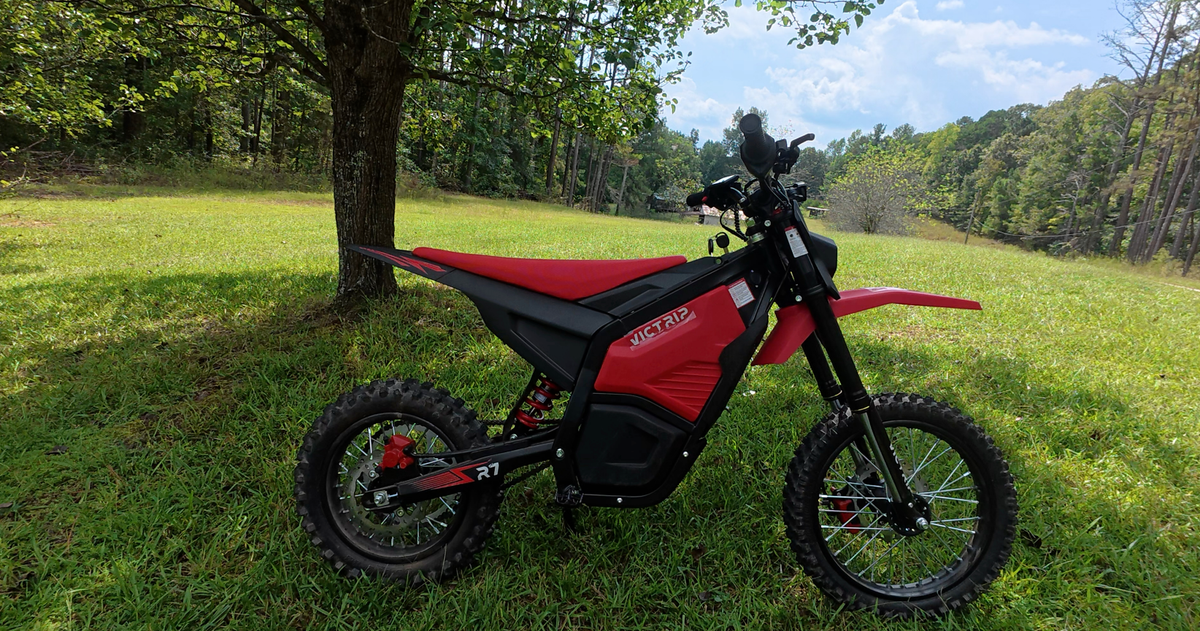
VICTRIP Ebike uses tested components that adhere to strict safety standards, helping provide riders with greater confidence, reliability, and long-term performance.
For official battery safety standards, check the UL Solutions resource center:
https://www.ul.com
What to Do if Your Battery Overheats
Lithium-ion battery fires are extremely hot and difficult to extinguish. Your top priority is evacuation and containment.
If Smoke, Swelling, or Hissing Occurs:
-
Immediate Isolation: Turn off the e-bike/charger and, if safe to do so, move the battery to a non-flammable outdoor area (like concrete or gravel) away from structures.
-
Evacuate and Call 911 (or local emergency services): Evacuate the area immediately. When calling, specify that it is a "Lithium-Ion Battery Fire."
Fire Suppression Guidelines
-
Class D Extinguishers are rated for flammable metals but are rare and expensive.
-
A Class ABC or CO₂ extinguisher can often cool surrounding flammable materials and help smother a small fire, but they may not stop the deep chemical reaction of thermal runaway.
-
Do Not Use Water on lithium metal fires. While large volumes of water can cool a lithium-ion pack and prevent spread, attempting to use a small household container of water is ineffective and dangerous—prioritize evacuation.
-
Battery Fire Sacks: If you charge indoors, consider investing in a certified, fire-resistant battery sack designed to contain flames and toxic smoke.
Regulatory Safety Standards and Compliance
UL 2849
This is the leading safety standard for e-bike electrical systems, ensuring safety from battery to motor.
Global Safety Requirements
Different regions impose additional rules, including EU EN standards and Asian regional certifications.
Conclusion
Practicing E-bike battery safety isn’t just about protecting your bike—it’s about protecting your home, your family, and your peace of mind. By following proper charging habits, storing batteries correctly, choosing certified components, and understanding early warning signs, you dramatically reduce the risk of fires and overheating.
Safe riding starts with safe batteries. Treat your e-bike battery with care, and it’ll support your rides for years to come.
FAQs
Can e-bike batteries explode or catch fire?
Yes, but this is extremely rare and usually caused by misuse, physical damage, or improper chargers.
How can I tell if my battery is unsafe?
Look for swelling, leaking, overheating, or sudden performance changes.
Is it safe to charge an e-bike battery overnight?
No. Charging overnight increases the risk of overheating or fire.
Should I store my e-bike battery inside or outside?
Indoors, in a cool and dry place. Never store outdoors in extreme temperatures.
What should I do if my battery gets wet?
Dry the exterior immediately and have a technician inspect it before using it again.


Share:
Why Full Suspension Is Essential for Ebike Motorcycles
Electric Bike Frame Types Explained