


Electric bikes under $300 for adults sound almost too good to be true. And honestly? In most cases, they are.
The demand for electric bikes under $300 for adults has surged as commuting costs rise and more people look for eco-friendly transportation. At first glance, spending less than $300 on an electric bike seems like a smart move. However, the real story behind ultra-cheap e-bikes is more complex than many buyers expect.
In this comprehensive guide, we’ll break down what you can realistically expect, what risks exist, and whether these ultra-budget options truly deliver value. Let’s dive in.
The Growing Popularity of Budget Electric Bikes
Over the past decade, electric bikes have moved from niche products to mainstream transportation solutions. Cities worldwide—from New York City to Los Angeles—have seen increased e-bike commuting.
But here’s the catch: average electric bikes cost between $800 and $2,500. Naturally, consumers search for cheaper alternatives.
Why People Search for Electric Bikes Under $300 for Adults
There are several reasons:
-
Rising fuel prices
-
Increased interest in green commuting
-
Budget constraints
-
Curiosity about entry-level electric mobility
For many buyers, especially first-timers, $300 feels like a low-risk experiment. If it works, great. If not, the loss seems manageable.
The Psychology of Low-Cost E-Bike Shopping
Let’s be honest. When you see “electric bikes under $300 for adults” advertised online, your brain lights up. It feels like you’ve found a hidden treasure.
However, manufacturers operate within cost realities. Motors, lithium-ion batteries, and frames have base production costs. When the total retail price is under $300, something has to give.
That’s where caution comes in.
What You Actually Get for Under $300
Now we get to the heart of the matter.
Most electric bikes under $300 for adults fall into one of these categories:
-
Low-power scooter-style models
-
Unbranded imports
-
Conversion kits (not full bikes)
Rarely will you find a fully equipped, durable adult e-bike at this price point.
Motor Power and Battery Limits
Here’s a typical breakdown:
| Feature | Under $300 Bike | Mid-Range Bike |
|---|---|---|
| Motor | 250W or less | 500W–750W |
| Battery | 24V–36V small capacity | 48V high capacity |
| Range | 10–20 miles | 30–60 miles |
| Charging Time | 6–8 hours | 4–6 hours |
Low capacity batteries degrade faster. That means replacement costs can exceed the bike’s original price.
Frame Quality and Components
Budget bikes often use:
-
Steel frames (heavier)
-
Basic mechanical brakes
-
No suspension
-
Low-grade wiring
In contrast, reputable brands offer aluminum alloy frames, hydraulic disc brakes, and proper safety testing.
You don’t just buy performance—you buy peace of mind.
Hidden Costs Nobody Talks About
This is where many buyers get surprised.
Repairs and Replacement Parts
Cheap electric bikes may require:
-
Battery replacement within 6–12 months
-
Motor controller repairs
-
Brake upgrades
-
Tire replacements
Replacement lithium batteries alone can cost $150–$300.
Suddenly, your “cheap” purchase isn’t so cheap.
Safety Certifications and Compliance
Reputable electric bikes meet safety certifications such as UL or CE standards. Many ultra-cheap models skip this entirely.
Poor battery quality increases fire risks. Lithium-ion batteries must be properly designed and protected. Without certified components, the risk rises significantly.
Performance Comparison Table
Let’s compare realistically:
| Feature | Under $300 | $800–$1,500 Range |
|---|---|---|
| Reliability | Low | High |
| Warranty | 30–90 days | 1–2 years |
| Safety Certification | Rare | Common |
| Climbing Power | Limited | Strong |
| Off-Road Ability | Minimal | Capable |
The difference is dramatic.
Are Cheap Electric Bikes Safe?
Safety should always be priority number one.
Battery Fire Concerns
Reports in major cities have highlighted battery-related incidents involving low-quality e-bikes. Poor wiring and uncertified battery packs are often the culprit.
While not every budget bike is dangerous, the risk factor increases when manufacturing standards are unclear.
Legal Classifications
In the United States, electric bikes fall into Class 1, 2, or 3 categories depending on motor assistance and speed. Many ultra-cheap imports do not clearly state their classification, which can create legal gray areas.
Read More: 2026 Electric Bike (E-Bike) Law Changes You Need to Know.
Smart Alternative: Affordable Quality E-Bikes
Instead of gambling on electric bikes under $300 for adults, many experts recommend saving slightly more for entry-level quality models.
Why Mid-Range Bikes Offer Better Value
When you calculate:
-
Longevity
-
Warranty protection
-
Safety compliance
-
Resale value
Mid-range e-bikes often cost less per mile over time.
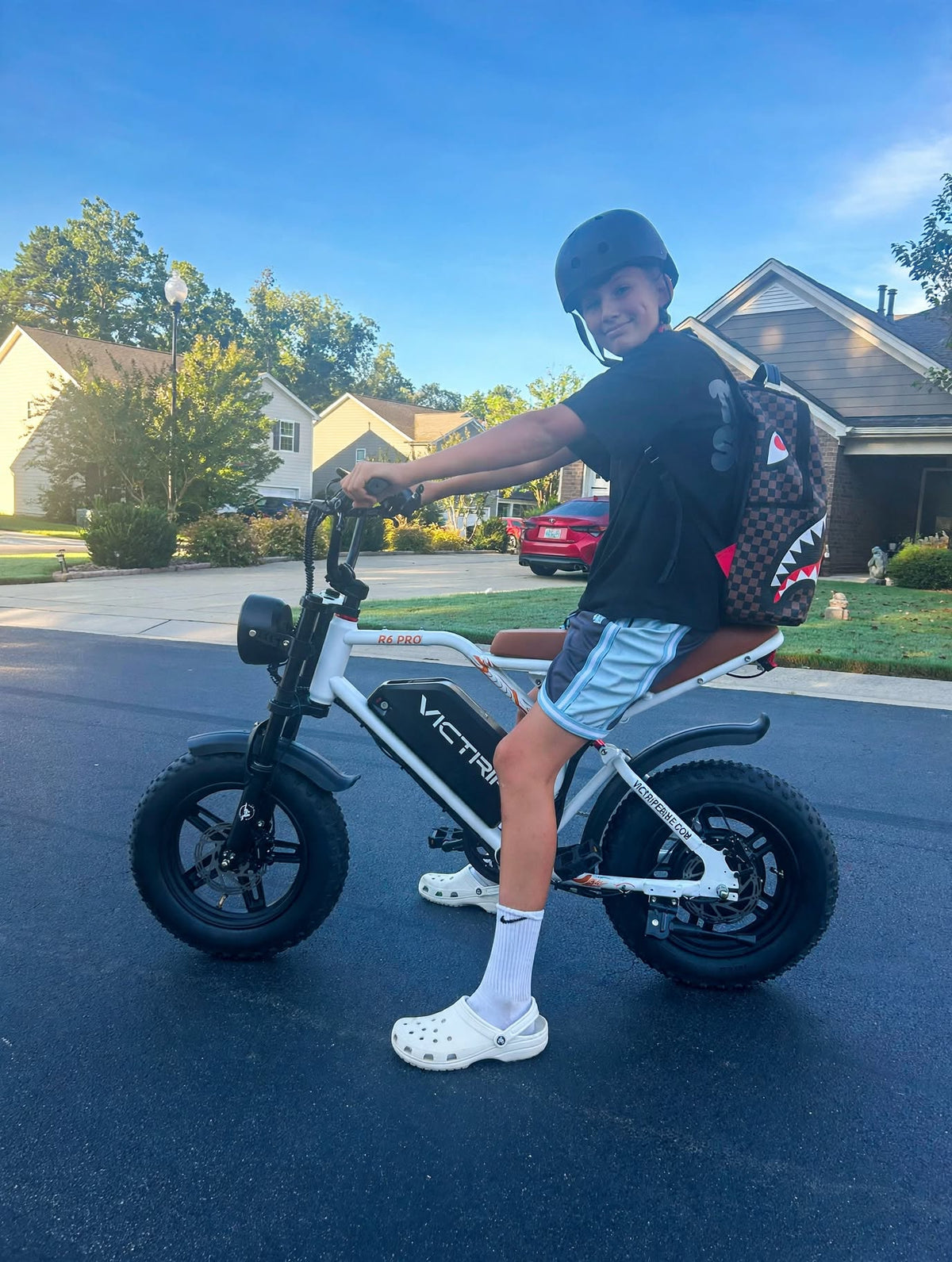
For example, the VICRIP R6 Off-Road Ebike offers strong off-road performance with a powerful motor, fat tires, and a durable battery system. While it costs more than $300, it delivers significantly greater reliability and capability.
What Makes a Better Investment?
A quality adult e-bike should include:
-
500W+ motor
-
48V battery system
-
Disc brakes
-
Solid frame geometry
-
Clear warranty terms
It’s not just about spending more—it’s about spending wisely.
Buyer Checklist Before Purchasing
Before buying any electric bike under $300 for adults, ask yourself:
-
Is the battery certified?
-
Does it include a warranty?
-
Are replacement parts available?
-
What is the realistic range?
-
Is the brand reputable?
-
Does it meet local e-bike regulations?
If you can’t answer these confidently, reconsider.
Conclusion: The Honest Answer
So, can you really buy electric bikes under $300 for adults?
Technically, yes. Practically, it’s rarely a wise decision.
While the price is tempting, compromises in battery quality, motor strength, safety compliance, and durability make ultra-budget models risky. For serious commuting or recreational riding, investing in a reputable mid-range model offers far better value, safety, and long-term savings.
In the end, smart buyers don’t just look at the price tag—they evaluate the total cost of ownership.
FAQs
Do electric bikes under $300 for adults really exist?
Yes, but most are used, refurbished, or extremely basic models with limited performance.
Are they worth buying?
In most cases, no. The long-term costs often outweigh the initial savings.
Can I upgrade a $300 e-bike later?
Upgrading batteries or motors can be costly and technically complex. It’s often better to invest in a stronger model initially.
What is the minimum budget for a reliable adult e-bike?
Most experts recommend at least $700–$900 for a dependable entry-level electric bike.


Share:
How to Choose the Best Electric Mini Bike for Beginners and Teens
Moped Style E-Bike Buying Guide — Free Comparison Checklist