


2026 is shaping up as a watershed year for electric bicycles. Lawmakers and safety agencies have focused on two urgent problems: (1) unsafe or uncertified lithium-ion batteries that can overheat and cause fires, and (2) a growing number of high-speed, high-power e-bikes that blur the line between bicycles and motor vehicles. As a result, states and countries are tightening sales, certification, labeling, and enforcement rules. If you ride, buy, rent, or sell e-bikes, you’ll want to know the new expectations and where to look for proof of compliance.
Global snapshot: common themes in 2026 rules
Across jurisdictions you’ll see the same few priorities:
-
Battery safety and certification — mandated tests or preferred standards (UL, EN standards).
-
Clearer device classifications — rules that separate low-powered pedelecs from speed pedelecs and e-mopeds.
-
Labeling and documentation — sellers must provide safety labels and certificates for new products.
-
Local enforcement — municipalities are setting speed limits and access rules (bike paths vs roads).
These moves aim to protect riders and pedestrians while keeping commuter e-bikes practical and accessible.
United States: federal & market context
At the federal level the regulatory picture has historically been patchy: consumer safety agencies (CPSC) handle product recalls, but there's no single federal motor-vehicle style type-approval for standard e-bikes. That gap means states and cities are stepping in. A recent high-profile battery recall underscored the risk: thousands of batteries tied to inexpensive imported e-bikes were recalled after overheating incidents, showing why certification matters.
What this means for riders: expect a mix of federal recalls and state rules. If you live in or buy from a state that tightened standards, your purchase and rental options will reflect new labeling and battery requirements.
California: SB 1271 — the big state-level change
California has the most concrete statewide move to date. SB 1271 (passed in the 2023–2024 session and effective in stages) requires batteries, chargers, and related components used in e-bikes and powered mobility devices sold or leased in California to be tested by accredited labs and to meet recognized standards such as ANSI/CAN/UL 2849, UL 2271, or EN 15194 (or other standards adopted by rule). The law also clarifies the 750-watt definition for e-bikes and updates labeling requirements; it tightens rules around devices that are essentially small motor vehicles in disguise.
Key rider takeaways for California:
-
From Jan 1, 2026, many batteries and chargers sold in CA must show certification or they can’t be sold there.
-
Personal use of older bikes isn’t necessarily banned, but selling, leasing, or importing uncertified batteries to CA is restricted.
-
Rental fleets face staggered compliance dates; fleet operators should audit batteries and chargers now.
Other U.S. states: patchwork rules and trends
Because federal action is limited, states like Colorado, Minnesota, and Utah have passed targeted laws to close safety or access gaps — focusing on youth access, speed definitions, and in some cases stricter battery rules. Municipalities (for example, some California cities) are also enacting local speed limits for sidewalks or shared paths. If you travel across states, you’ll find differences in helmet requirements, minimum rider age, and where Class-3 e-bikes are allowed.
European Union: EN 15194 & Regulation 168/2013 — what’s unchanged and what’s evolving
In the EU the legal framework for conventional pedelecs is stable: EN 15194 (the EPAC safety standard) and Regulation (EU) No 168/2013 define the conditions under which an electrically assisted bike is still treated as a bicycle rather than a motor vehicle. The canonical rule is familiar: ≤250 W continuous motor power and assistance cuts off at ≤25 km/h (and the motor must only assist while pedalling). Bikes exceeding those limits (for example S-Pedelecs that assist up to ~45 km/h) are typically classed as mopeds and require registration, insurance, and a license.
EU regulators are also encouraging better battery and system safety documentation and harmonized market surveillance so that unsafe imports can be identified faster. Manufacturers selling in the EU must keep conformity files and be ready to show CE/EN/Regulation compliance.
United Kingdom: EAPC rules and updates
The U.K. uses the EAPC (Electrically Assisted Pedal Cycle) legal term. If an e-bike meets EAPC rules (pedal-assist only, up to 250 W and assistance cuts off by 15.5 mph / 25 km/h), you can ride without a licence, registration, or tax. The U.K. government has updated guidance in recent years to clarify “twist & go” (throttle) devices and to help manufacturers and retailers understand the approval process for non-pedal-assist models that might be treated as mopeds. Check GOV.UK guidance for the most up-to-date documentation.
Batteries & chargers: the single biggest safety focus
Lithium-ion batteries power most modern e-bikes — and most of the high-risk incidents have involved batteries or chargers that were poorly designed, improperly certified, or damaged. Regulators are pushing for:
-
Third-party lab testing (e.g., UL 2849, UL 2271, EN 15194 as applicable).
-
Clear labeling on battery packs and chargers with model numbers and certification marks.
-
Retailer accountability: sellers must provide compliant batteries — new laws may prohibit sale or shipment of uncertified packs to regulated markets.
Recent mass recalls show how costly and dangerous uncertified batteries can be — both to consumers and to retailers who carry non-compliant inventory.
Practical battery guidance:
-
Only buy batteries with a trusted certification mark and a readable label.
-
Avoid cheap, unlabeled replacement packs and ambiguous aftermarket chargers.
-
Follow manufacturer charging and storage guidance and never leave charging batteries unattended overnight.
Classifications, speeds, and what they mean for riders
Regulatory language can be confusing. Here’s a practical translation:
-
Pedelec / EPAC (EU) or EAPC (UK): Pedal-assist only, ≤250 W continuous, assist cuts off ≤25 km/h — treated as a bicycle.
-
U.S. Class 1/2/3 system: (Class 1: pedal-assist up to 20 mph; Class 2: throttle-assist up to 20 mph; Class 3: pedal-assist up to 28 mph). States vary on access rules for Class 3.
-
S-Pedelec / Speed pedelec: Higher assist speeds (≈45 km/h) — typically treated as mopeds; registration, insurance, and helmet rules apply.
If your bike is near the borderline (e.g., >250 W or >25 km/h assist), check local law before you ride it on bike lanes or pedestrian paths.
Enforcement, penalties & local ordinances
Expect two kinds of enforcement:
-
Product/sales enforcement — regulators and customs can remove uncertified models from shelves or prevent imports. This is already happening in certain U.S. states and EU markets.
-
Rider enforcement — municipalities may enforce sidewalk speed limits, helmet requirements, or age minimums. Some localities have adopted surprisingly low sidewalk speed caps or fines for minors on high-speed e-bikes. Always obey local signs and ordinances.
Buying and riding checklist: how to stay legal in 2026
A quick checklist to use at the shop or before an online purchase:
-
Does the battery have a certification label (UL 2849 / UL 2271 / EN 15194)?
-
Is the motor rated ≤250 W continuous (EU/UK) or ≤750 W/28 mph depending on U.S. class expectations?
-
Is the assistance cut off at 25 km/h (15.5 mph) for EU/UK bikes?
-
Does the bike come with conformity documentation or a user manual that lists compliance?
-
For rentals: ask whether the fleet’s batteries/chargers are certified — rental operators in California and other regulated places are being required to certify fleets.
For retailers and manufacturers: compliance roadmap
If you sell or make e-bikes, the 2026 landscape means action:
-
Audit all battery suppliers and request lab certification documents.
-
Label products clearly and include conformity files in product documentation.
-
Test or certify chargers and onboard battery management systems (BMS).
-
Train staff on how to read certification labels and respond to customer safety questions.
-
Plan recalls and warranty policies with clear consumer instructions if a problem arises.
California’s SB 1271, EU type approval rules, and updated UK guidance are practical examples of the compliance burden that will be used to take unsafe models off the market.
Safety best practices and community responsibility
Beyond compliance, riders and local communities can reduce harm:
-
Wear a helmet appropriate to your speed class (S-Pedelec riders should use motorcycle-grade helmets).
-
Store batteries in a cool, ventilated place and never charge unsupervised.
-
Support local buy-back and recycling programs for old batteries.
-
Advocate for clear signage where bike lanes and mixed-use paths meet — predictable rules prevent collisions.
Predictions: what’s likely next (2027+)
Expect:
-
More harmonized battery standards across states and countries so that manufacturers don’t face wildly different rules country to country.
-
Stricter import checks at major ports to block uncertified e-bike models.
-
Wider adoption of vehicle telematics for high-speed e-bikes (to enforce speed limitations or geofence shared spaces).
-
Gradual insurance products tailored to e-bike owners, especially for speed pedelecs and delivery fleets.
Practical Compliance Example: VICTRIP Ebike
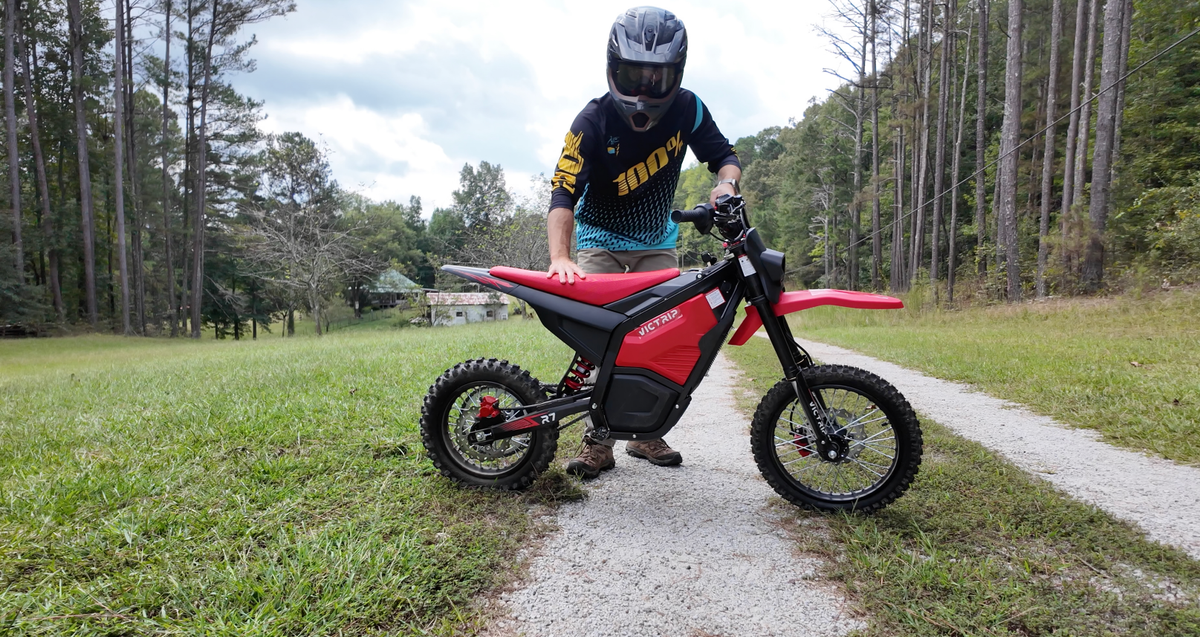
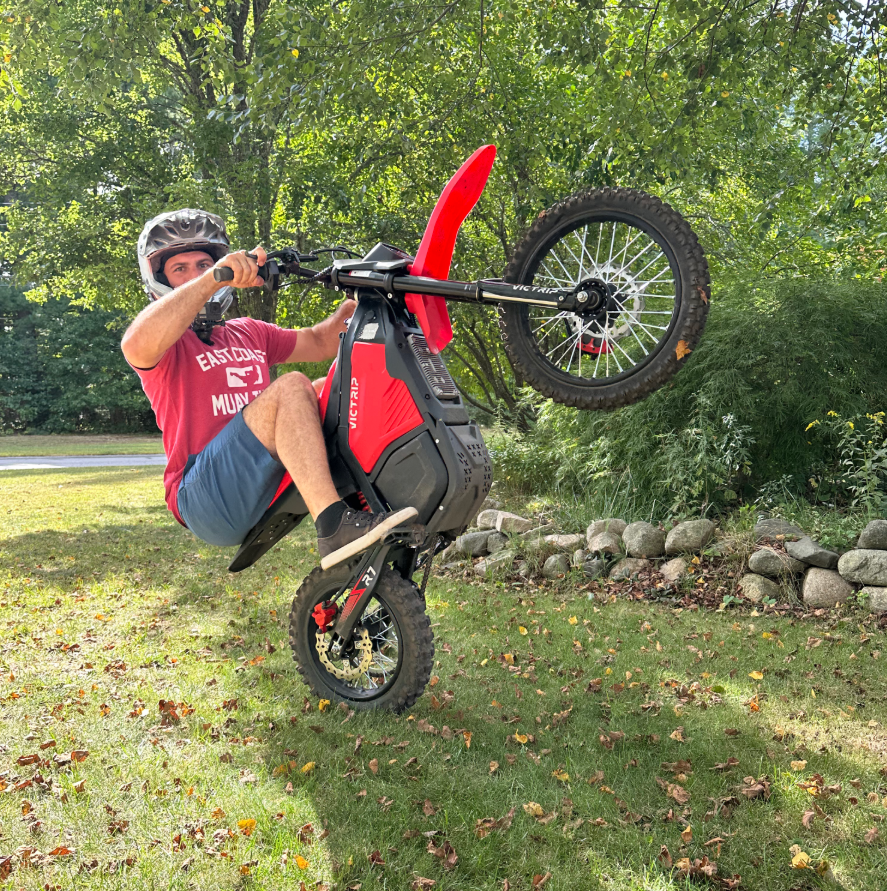
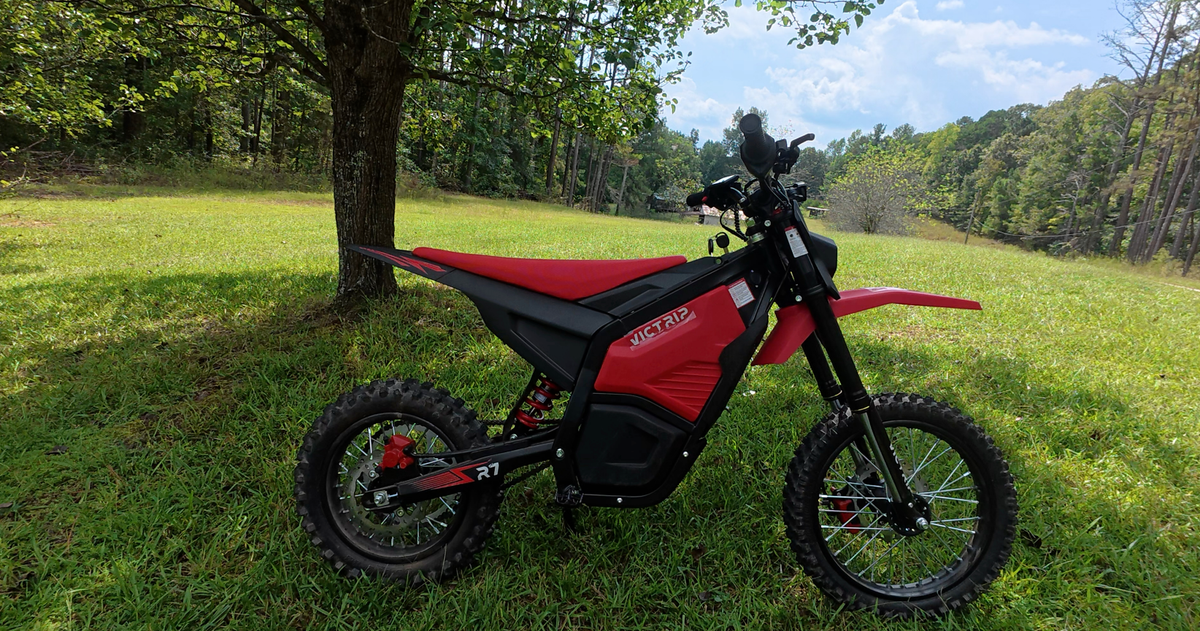
As 2026 electric bike regulations place greater emphasis on battery safety and clear classification, VICTRIP Ebike reflects how compliant design is becoming a priority. With clearly defined power output, controlled speed assistance, and a strong focus on battery system safety, VICTRIP Ebike aligns well with the direction of current e-bike regulations. For riders, this means fewer legal uncertainties and more confidence when riding on bike lanes, shared paths, and urban streets.
Conclusion: what riders should do right now
-
Check labels and documents before buying — certification matters.
-
Be cautious with replacements — only install batteries with clear manufacturer certification.
-
Follow local rules for where you can ride (bike lanes vs road) and what safety equipment is required.
-
If you rent or sell e-bikes, build a compliance file now — regulators are enforcing safety more actively.
-
Stay informed — official government pages (e.g., GOV.UK, EUR-Lex, and state legislative sites) and safety alerts from consumer agencies are the best places for updates.
Recommended external resource: For the EU legal baseline, see Regulation (EU) No 168/2013 and EN 15194 standards pages for detailed regulatory text and obligations.
FAQs
Is my current e-bike suddenly illegal because of 2026 changes?
In most cases, no. New laws generally affect sales, import, or commercial rental of uncertified batteries and bikes. Personal ownership typically isn’t retroactively forbidden, but local rules (e.g., helmet or age laws) still apply. In California, SB 1271 restricts sale and leasing of uncertified batteries but doesn’t typically confiscate privately owned units.
How can I tell if a battery is UL or EN certified?
Look for a clear certification mark on the battery or charger and a model number. Reputable sellers include a test report or mention the lab that performed the test (e.g., an accredited lab listed in the certificate). If it’s missing or the seller is evasive, treat the product as suspect.
Are throttles legal in the UK?
They can be, if the bike meets EAPC rules. A throttle that propels the bike above EAPC limits or allows continuous unassisted riding could make the device a motor vehicle for legal purposes. GOV.UK guidance clarified “twist & go” EAPCs and related approvals.
Do I need insurance for my e-bike?
For standard pedelecs/EAPCs and most U.S. Class 1–3 bikes, no motor-vehicle insurance is required. However, s-pedelecs, mopeds, and devices treated as motor vehicles do require insurance in most EU countries and many U.S. states. Always check local law.
Are cheap e-bikes from online marketplaces safe to buy?
They can be risky if they lack clear certification and labeling. Recent recalls targeted inexpensive models with uncertified batteries. Buying from reputable retailers who provide conformity documentation reduces risk.
Share:
Fat Tire Electric Bike Buyer Questions Answered
Best E-Bikes for Short Women: A Petite Rider’s Guide