

When people shop for a bike, they often ask the wrong first question. They ask, “How old is the rider?” instead of “How does the rider actually fit the bike?” In real life, rider size matters more than age because comfort, confidence, balance, and control all depend on body dimensions, not just a birthday.
That’s especially important for bikes that are meant to feel fun and easy to ride. A rider who is too stretched out will feel awkward. A rider on a frame that is too tall may struggle to stop safely. A bike that is too small can feel cramped and unstable. In other words, fit is not a luxury. It’s the foundation.
This is why rider size matters more than age for everything from kids’ bikes to teen-friendly models and adult e-bikes. Age can help you make a rough guess, but it should never be the final decision. The smarter approach is to look at height, inseam, reach, and riding style together.
Why Rider Size Matters More Than Age
The reason rider size matters more than age is simple: age does not tell you how long a rider’s legs are, how flexible their body is, or how much confidence they have on two wheels. Two riders who are the same age can need completely different bikes. One may be tall with long legs. Another may be shorter but have a longer torso. Another may be strong and experienced, while a different rider may still be learning balance and braking.

Height Is Helpful, But Not Enough
Height gives a starting point, but it does not tell the full story. A tall rider with short legs might need a lower stand-over height. A shorter rider with long legs may need a different seat position than expected. That is why using height alone can lead to poor choices.
For example, a rider may technically “fit” into a size range on paper, but still feel uncomfortable once they sit on the bike. The bars may be too far away. The saddle may feel too high. The rider may end up leaning forward too much, which can make steering less stable and riding less enjoyable.
Inseam Tells a Better Story
Inseam is one of the most useful measurements because it helps show whether the rider can safely stand over the bike and reach the pedals well. It is often more helpful than age and sometimes even more useful than height.
A good bike fit should let the rider straddle the frame with enough clearance to feel secure. That matters when stopping at a light, getting on and off the bike, or balancing at low speeds. When rider size matters more than age, inseam becomes one of the strongest fit clues you can use.
Read More: Ebike Frame Size Guide: Finding Your Perfect Fit.
Reach, Comfort, and Control
Reach is another major factor. If the bars are too far away, the rider may lock their elbows, lean too much, and lose comfort. If the bars are too close, the rider may feel cramped and unstable. A proper fit helps the rider stay relaxed, keep a steady posture, and control the bike with less effort.
That is why rider size matters more than age in real riding conditions. A good fit improves braking, turning, mounting, dismounting, and overall confidence. A bad fit makes every small movement feel harder than it should.
The Most Important Measurements for Bike Fit
To choose the right bike, focus on the measurements that affect actual riding experience.
Stand-Over Height
Stand-over height is the space between the rider and the top tube when standing over the bike. This matters because the rider should be able to stop and stand comfortably without feeling trapped.
A safe stand-over setup helps prevent awkward tip-overs, especially for newer riders. It also makes starting and stopping smoother, which is a big deal for riders who are still building confidence.
Seat Height
Seat height affects how efficiently the rider can pedal. If the seat is too low, the rider may feel like their knees are jammed. If it is too high, the rider may rock side to side and lose control.
A proper seat height allows the rider to pedal smoothly with a slight bend in the knee. This improves comfort and helps reduce fatigue on longer rides.
Handlebar Reach
Handlebar reach is the distance from the seat to the bars. This has a huge effect on posture.
If the reach is too long, the rider may feel stretched out and tense. If it is too short, the rider can feel crowded. The best setup supports an upright, natural position that makes steering easier and more comfortable.
Rider Weight and Stability
Weight is not the only factor, but it does influence how the bike feels. A properly sized bike should feel stable under the rider’s body. This is especially important on bikes with larger batteries, wider tires, or stronger motors.
The goal is not just to hold the rider. The goal is to help the rider feel balanced and in control.
Matching Rider Size to Bike Type
Different bike styles fit different rider needs, so sizing should never be one-size-fits-all.
Kids’ Bikes
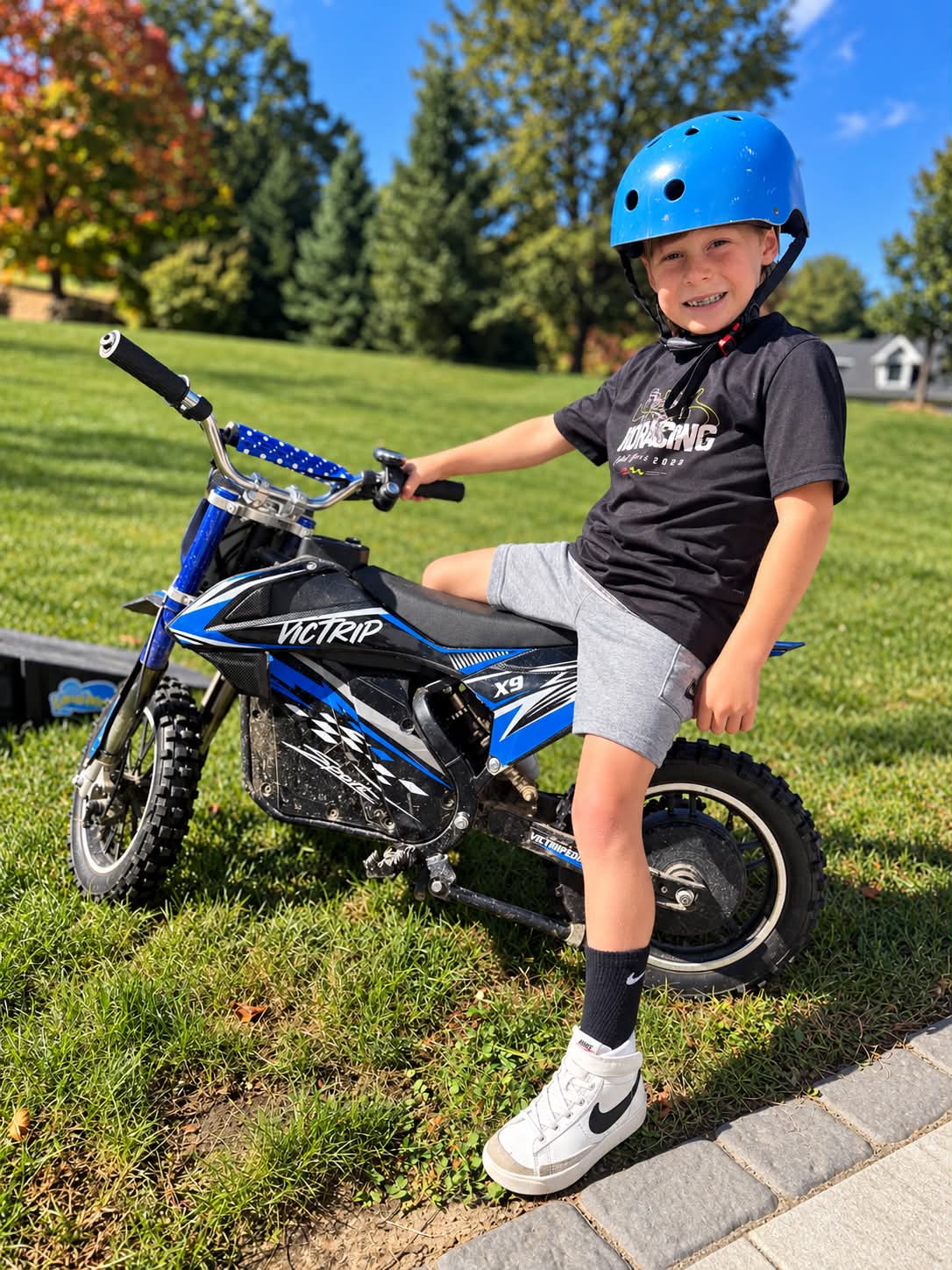
For kids, the right bike is the one they can control easily. That means feet should touch the ground in a stable way, and the rider should not need to stretch too far to reach the bars.
A kids’ bike that is too big may look like a smart long-term choice, but it often leads to fear, wobbling, and less practice. A right-sized bike helps the child learn faster because it feels manageable from day one. For younger riders who want an exciting off-road experience, compact models like the VICTRIP X9 can be a suitable example of how proper sizing and rider confidence go hand in hand.

Teen Riders
Teen riders are often in the middle of rapid growth. That makes sizing tricky. A bike should give enough room to ride comfortably now while still being practical for the near future.
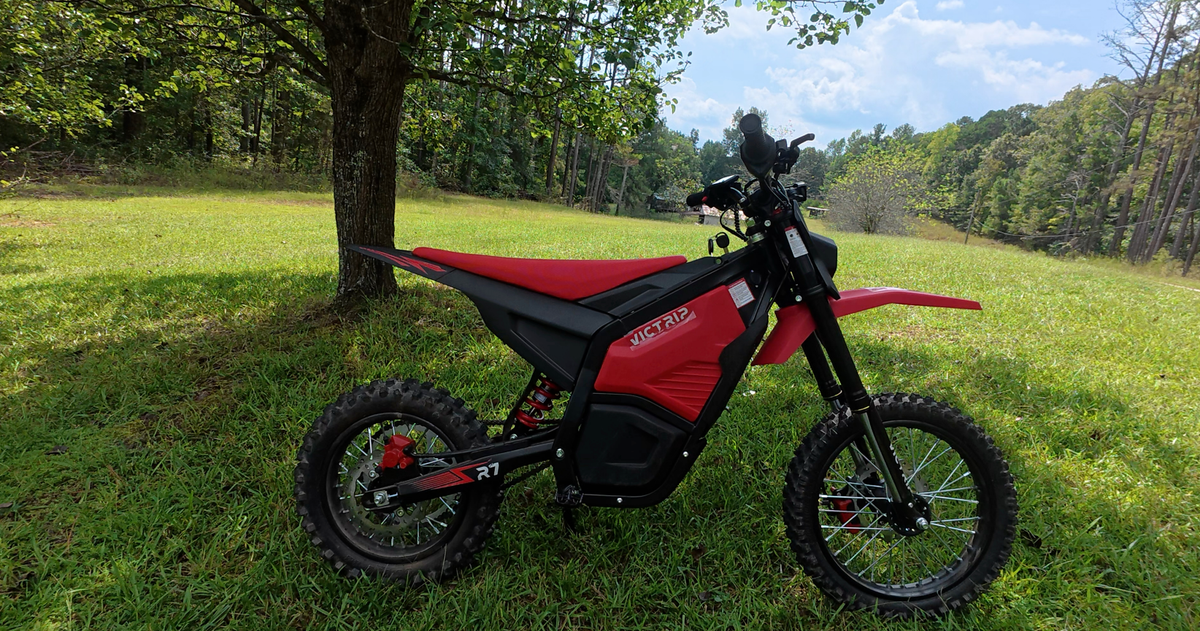
This is where rider size matters more than age really stands out. Two 14-year-olds can be totally different in height, strength, and confidence. One may need a compact frame, while another may be ready for a full-size bike. The number on the birthday cake does not decide the fit. For taller teens looking for more power and versatility, bikes such as the VICTRIP R6 demonstrate how frame dimensions and rider proportions often matter more than age alone.
Adult Riders
Adults often assume they can size by “small, medium, or large” and call it a day. In reality, body proportions matter just as much. A shorter adult may need a compact frame with shorter reach. A taller adult may need more top-tube space and a taller seat range.
A good adult fit supports long rides, better posture, and less strain on the back, shoulders, and wrists.
Moped-Style and E-Bikes
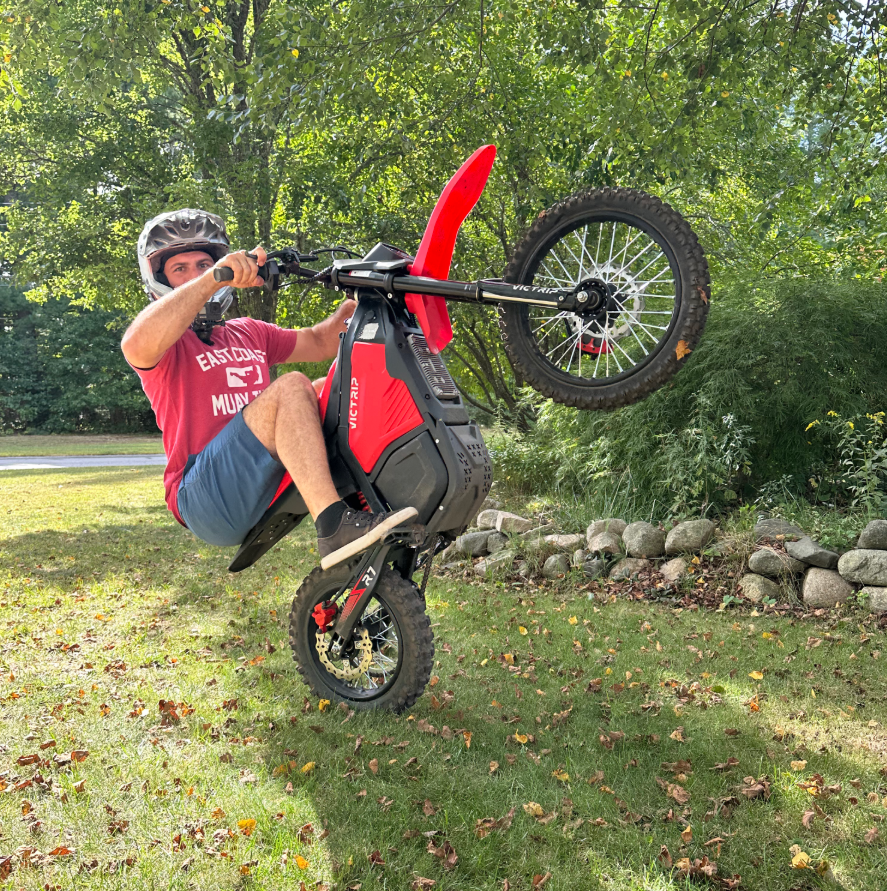
Moped-style bikes and e-bikes add another layer. These bikes often have heavier frames, thicker tires, and a different riding position. That means fit matters even more, not less.
A rider who fits the frame well will feel more stable at low speeds and more confident when starting, stopping, and turning. Since these bikes may carry more power and weight, the rider should be able to handle them without feeling overwhelmed. Again, rider size matters more than age because control is what keeps the ride fun and safe.

How to Choose the Right Size the Smart Way
The best fit process is simple, practical, and based on the rider’s body.
Start With the Body, Not the Age
Begin with height, inseam, arm reach, and riding experience. Then compare those numbers to the bike’s geometry and sizing chart. Age may help narrow the search, but it should not make the final call.
A bike that fits the body will usually feel better right away. That first impression matters.
Test Ride in Real Conditions
A chart can only tell you so much. A test ride shows the truth.
Ask these questions:
- Can the rider mount the bike easily?
- Can they stop without wobbling?
- Do the bars feel too far or too close?
- Can they pedal smoothly without stretching?
- Do they feel confident turning and braking?
These questions reveal much more than age ever could.
Use Sizing Charts as a Starting Point
Sizing charts are useful, but they are guides, not laws. Different brands may build frames with different geometry. One medium may feel like another brand’s small. That is why riders should not rely on size labels alone.
Think of a chart as a map. The real destination is comfort and control.
Ask the Right Fit Questions
Before buying, ask:
- Does the rider have enough stand-over clearance?
- Can they touch the ground at a stop?
- Is the reach natural?
- Does the bike feel balanced?
- Will they still enjoy riding after 20 minutes?
Those questions help prevent regret later.
Common Sizing Mistakes to Avoid
Even good buyers make sizing mistakes. The good news is that most of them are easy to avoid.
Buying Too Big for “Room to Grow”
This is one of the most common mistakes. A bike that is too large can be hard to stop, hard to steer, and hard to enjoy. “Room to grow” sounds smart, but it can create a bike that feels unsafe right now.
A rider who feels uncertain today may never build confidence on a bike that is too large.
Choosing by Age Alone
This is the biggest trap. Age is a rough label, not a fit tool. A tall 12-year-old, a short 12-year-old, and a sporty 12-year-old may all need different setups.
That’s why rider size matters more than age should be the first rule in every sizing decision.
Ignoring Standover Height
A rider should never struggle to stand over the bike. If the top tube is too high, the bike may feel intimidating from the start. That discomfort can spread to every part of the ride.
Small fit problems often become big confidence problems.
FAQ
Does age matter at all when choosing a bike?
Yes, but only as a rough guide. Age can help estimate experience, strength, or growth stage, but it should never replace body measurements and fit testing. In practice, rider size matters more than age.
Which measurement matters most?
Inseam is often one of the most important measurements because it affects stand-over height and leg extension. That said, reach and overall comfort matter too.
Can a rider use a slightly larger bike?
Sometimes, but only within a safe range. A bike that is slightly larger may work if the rider still has control, can stop safely, and does not feel stretched out. Once the size becomes awkward, it stops being a smart choice.
Is a smaller bike always easier to handle?
Not always. A bike that is too small can feel cramped and unstable. The goal is not to go as small as possible. The goal is to find the best balance of comfort, control, and efficiency.
How do I know if a bike is too small?
Common signs include cramped knees, limited seat adjustment, short reach, and a riding position that feels crowded. If the rider looks folded up or feels pinched, the frame may be too small.
What if the rider is still growing?
Choose a bike that fits well now, not one that only works later. A rider can adjust seat height and some components, but the frame itself still needs to be safe and comfortable today.
Conclusion
In the end, rider size matters more than age because bikes are controlled by bodies, not birthdays. Height, inseam, reach, and confidence shape the riding experience far more than a number on a calendar. The right bike should feel natural, stable, and easy to manage from the very first ride.
When the fit is right, riding becomes more fun, more comfortable, and far safer. That is true for kids, teens, and adults alike. So instead of asking, “How old is the rider?” ask, “How does the rider fit the bike?” That simple shift leads to better choices every time.
Share:
How Fast Should an Electric Bike Be for a 10-Year-Old?
17 Amazing Ebike Gift Ideas for Adventure Lovers in 2026