


Buying a Halloween gift for a teenager can be surprisingly tricky. They may still enjoy the decorations, candy, and scary movies, yet the small toys that once filled their treat bags no longer hold much interest.
That doesn’t mean the holiday has lost its appeal. It may simply be time for a different kind of gift.
The best Halloween outdoor gift ideas for teens who have outgrown toys connect with something they want to do. That could be learning to ride, taking better photographs, camping with friends, or exploring a nearby trail. A useful gift gives them an activity to look forward to and a chance to build confidence through practice.
There’s no need to make Halloween an expensive occasion. A small, thoughtful upgrade can mean as much as a larger present when it suits the recipient. A daypack with a planned walk, for example, has a clear purpose from the moment it’s opened.
The following guide covers nine options for different interests, along with practical ways to choose between them. These are gift categories to consider, rather than a ranking based on hands-on product testing.
How to Choose an Outdoor Gift Your Teen Will Actually Use
A teenager’s age tells you only part of the story. Two teens in the same school year may have completely different interests, confidence levels, and ideas about a good weekend.
One might spend hours practicing a sport. Another might prefer a quiet walk with a camera. A third may enjoy almost any activity as long as a friend can join.
Start with those differences. A gift feels more personal when it reflects how your teen likes to spend time. It also has a better chance of becoming part of their routine.
Follow Their Interests Before Following Trends
Think about what your teen already chooses to do without much encouragement. Their habits offer better clues than a general list of popular gifts.
Do they borrow a family member’s bicycle? Stop to photograph unusual clouds? Talk about a school camping trip? Watch videos about skating techniques?
Each clue points toward a possible gift. Someone who already enjoys walking may appreciate a comfortable backpack. A regular rider might value well-fitting gloves. A creative teen could enjoy a photo-printing credit paired with an outdoor challenge.
Be careful about treating every passing comment as a firm interest, though. A little conversation can help. Ask what they liked about an activity, whether they would try it again, and who they would want to bring.
The goal is to support an interest they recognize as their own.
Match the Gift to Their Experience
A good gift offers a next step that feels possible. Equipment that demands too much skill can create frustration before the fun begins.
For a beginner, that next step might be a lesson, a simple starter setup, or an opportunity to borrow equipment first. For someone with experience, a thoughtful upgrade may make more sense than another beginner kit.
Consider physical fit as well. A backpack should feel comfortable when loaded. Skates should fit according to the manufacturer’s guidance. A bicycle should allow the rider to reach and operate the controls properly.
Avoid buying difficult-to-handle equipment because your teen might “grow into it.” They need something suitable for their current abilities.
There’s plenty of room for a challenge. Just make sure the challenge comes from learning the activity rather than struggling with unsuitable gear.
Check the Practical Details
Picture an ordinary weekend before you buy. Where would your teen use the gift? How would they get there? Where would the equipment go afterward?
These questions can quickly narrow your options.
A sports set needs enough space. Skating requires an appropriate practice area. Camping equipment needs dry storage. A riding gift may involve transport to a permitted location.
Also consider how much adult help each outing requires. A gift that depends on a long drive every time may be harder to use than one suited to a nearby park.
For powered vehicles, confirm the requirements for the exact model and intended riding area. Check with the relevant local authority, land manager, or venue rather than assuming access.
A practical gift doesn’t need to be ordinary. It simply needs a realistic path from opening the box to enjoying the activity.
Budget for the Whole Experience
The price of the main item is only one part of the purchase. Essential accessories, travel, maintenance, and entry fees may affect the total.
Before ordering, write down three figures:
- The cost of the main gift.
- The cost of anything needed to use it properly.
- The cost of the first planned outing.
This makes comparisons clearer. A discounted item may offer less value if several important pieces are missing. Meanwhile, a modest gift paired with a complete plan can feel generous and thoughtful.
For example, a sports set and a planned afternoon with friends may be ready to enjoy immediately. A camping purchase may require additional bedding before anyone can sleep comfortably outside.
Keep optional extras separate. You can always add more once your teen knows what they actually use.
Give Them a Say Without Spoiling the Surprise
Some choices are worth making together, especially when fit, comfort, or appearance matters.
You could ask your teen to choose between two activities, then keep the final details secret. Alternatively, reveal a small accessory on Halloween and arrange a fitting or shopping trip afterward.
This works well for helmets, skates, bicycles, and larger purchases. It also avoids spending money on a color or style your teen would never choose.
A shared decision can still feel special. The surprise might be the planned outing, an invitation for a friend, or the way you present the gift.
Most importantly, leave room for honest feedback. A present becomes more useful when your teen can say that something doesn’t fit or that a different option would suit them better.
9 Halloween Outdoor Gift Ideas for Teens Who Have Outgrown Toys
These Halloween outdoor gift ideas cover a range of personalities and budgets. Some are simple additions to an existing hobby. Others introduce an activity that could become a new interest.
As you compare them, imagine the first few uses. A gift with a clear starting point is often easier to enjoy than one that requires a complicated plan.
1. A Moped-Style E-Bike for Teens Who Love Riding
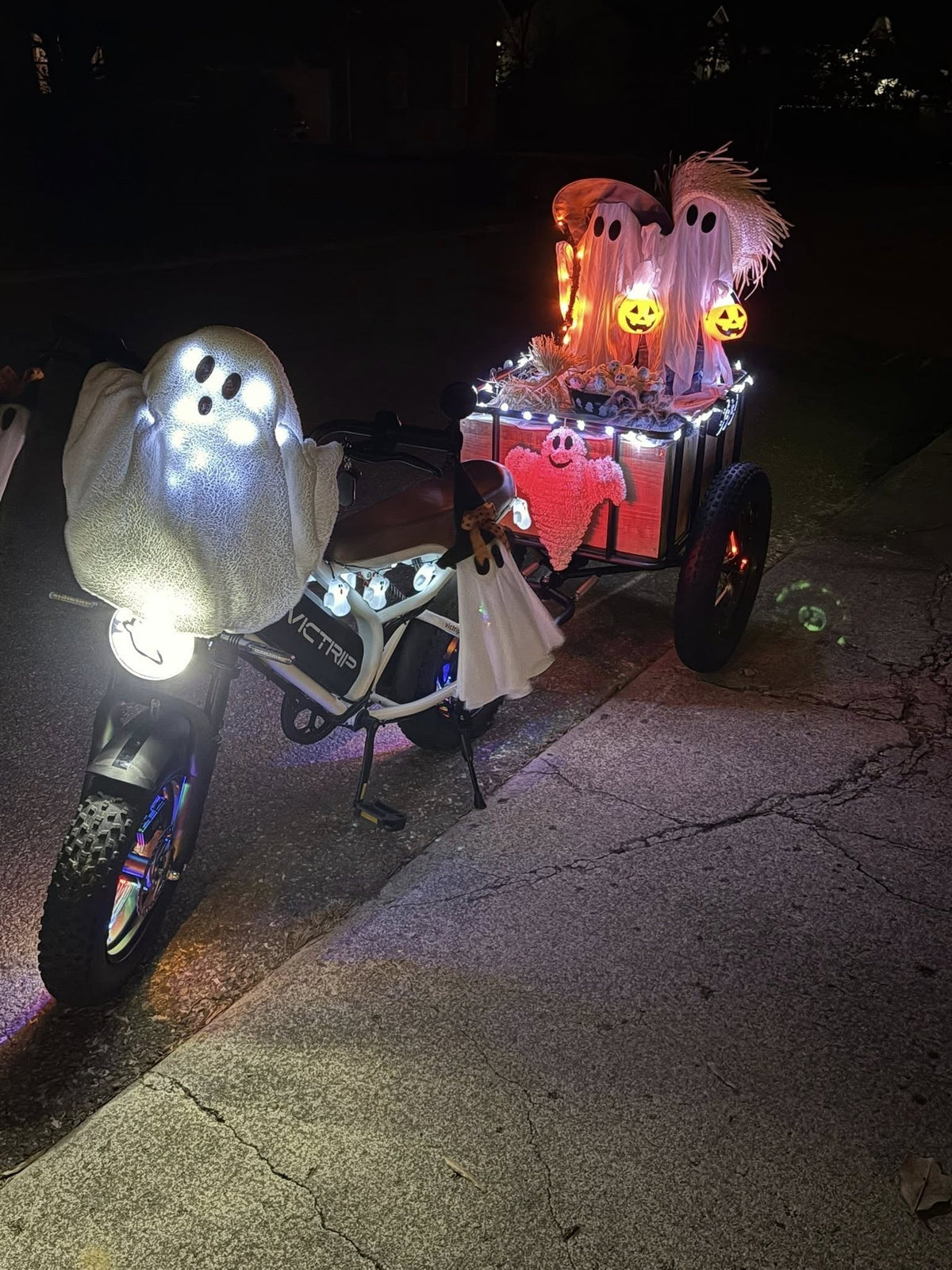
For a teen who already enjoys cycling, a moped-style e-bike can make a memorable Halloween gift. The VICTRIP R6 is worth considering for its motorcycle-inspired look, offering a gift that feels connected to their growing interest in riding.

Before buying, confirm that the model suits your teen’s age, size, and riding experience, and check the requirements for where they’ll ride. Include properly fitted protective gear and plan a first outing together to make the gift feel complete.
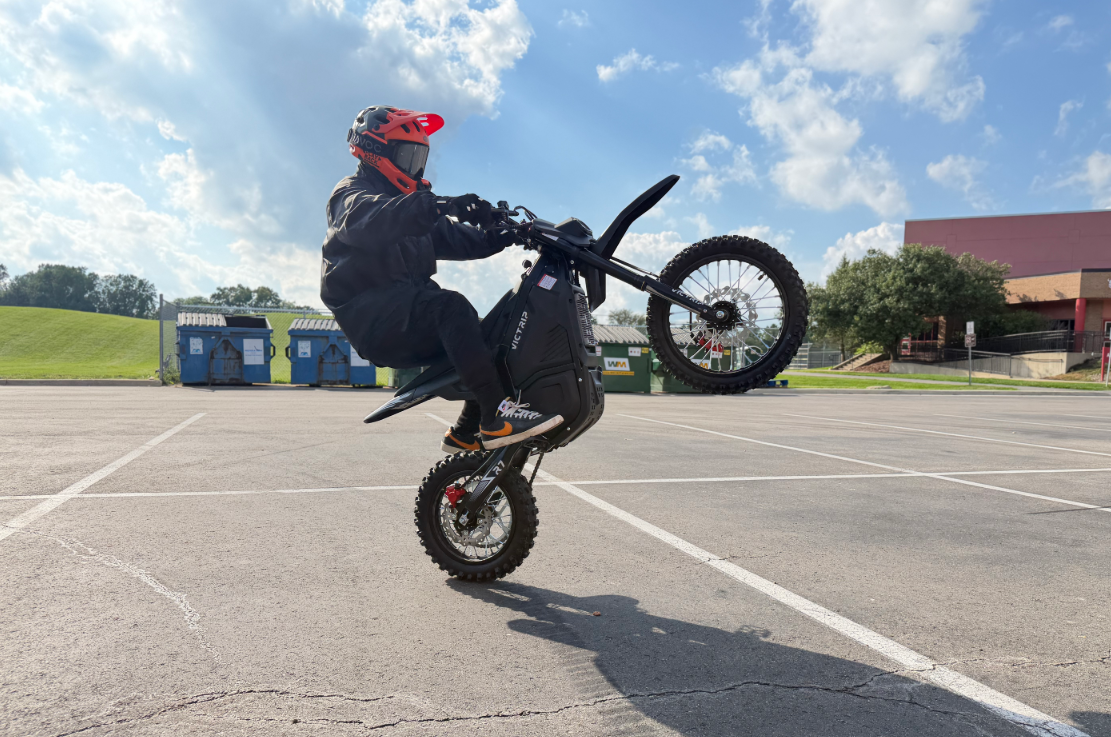
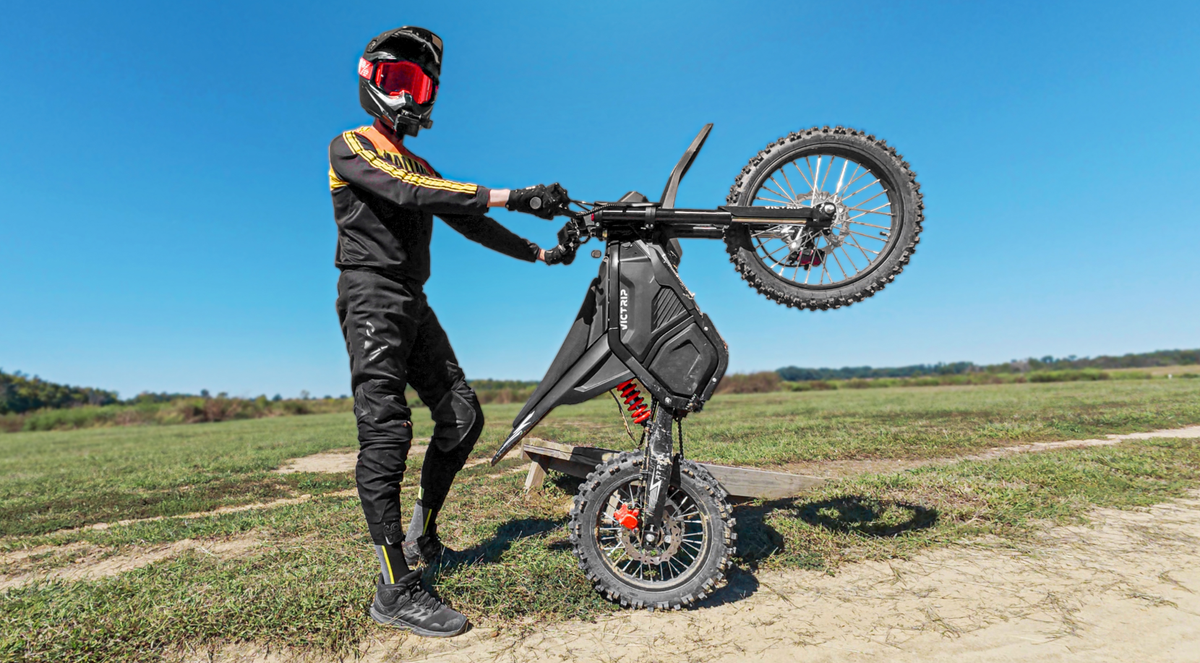
2. A Helmet and Riding Gear Upgrade
For a teen who already rides, an equipment upgrade may be more useful than a completely new hobby.
Start by identifying a real need. Their gloves may be worn, their current gear may fit poorly, or they may need equipment suited to a different riding activity.
Choose protective gear according to its intended use and fitting instructions. Appearance matters, but it comes after suitability.
Make the gift more personal by letting your teen choose from appropriate styles. Add a note promising a planned riding day once the equipment is ready. That gives a practical present something exciting to look forward to.
3. A Hiking Backpack and Trail Kit
A comfortable daypack can help a teen take responsibility for their own supplies on family walks. Add a water bottle, a suitable layer, and a small notebook as a starting point.
Build the full packing list around the actual outing. REI’s day-hiking checklist considers hike duration, weather, and trail conditions rather than treating every walk the same.
For Halloween, tuck a simple trail invitation inside the bag. Let your teen help choose the destination, pace, and picnic stop.
The outing gives the equipment an immediate purpose.
4. An Outdoor Photography Kit
Outdoor photography can appeal to teens who enjoy creative projects more than sports. You may be able to build the gift around a phone they already own.
Useful additions could include a compatible tripod, carrying pouch, or credit for printing favorite images. Check accessory compatibility before ordering.
Add an autumn photo challenge: capture an unusual shadow, three leaf colors, a decorated doorway, and a favorite view.
Keep the challenge flexible. Your teen might prefer portraits, close-up details, or evening skies. Offer to print a few finished photos afterward so the activity produces something they can keep or display.
5. A Backyard Camping Setup
Backyard camping can provide a manageable first taste of sleeping outdoors. Home stays close, while your teen gets to organize a small adventure.
Think beyond the tent. The setup should include bedding and ground insulation suited to the expected conditions, plus a plan if the weather changes.
For Halloween, battery-powered lanterns and a few mystery stories can create atmosphere without permanent themed equipment.
Let your teen help plan the evening. They might choose snacks, invite a friend with parental agreement, or organize a card game. Keep the first experience simple enough that everyone wants to try it again.
6. A Skateboard or Roller Skates
Skating can suit teens who enjoy learning through repeated practice. It also gives friends something active to do together.
Involve the recipient in choosing the equipment. Fit, experience, and preferred use affect what makes sense. Include appropriate protective gear and identify a suitable practice area.
A beginner lesson can be a valuable part of the gift. It provides a structured place to work on basic control and ask questions.
For a Halloween introduction, plan a daylight session. Save costumes that restrict movement or vision for another part of the celebration.
7. A Disc Golf or Outdoor Sports Set
A simple sports set can turn an ordinary afternoon into a social activity. Consider disc golf, badminton, or equipment for a game your teen already enjoys.
Check the space available before buying. Some sets work well in a yard; others need a suitable park or designated course.
Choose a straightforward starter option instead of assuming specialist equipment is necessary. Your teen can decide later whether an upgrade would help.
Add a Halloween invitation for a friendly afternoon challenge. Keep the rules welcoming so friends with different experience levels can join without feeling embarrassed.
8. A Stargazing Starter Kit
A stargazing gift can begin with a warm blanket, a beginner guide, and an observation notebook.
NASA explains that binoculars and telescopes can enhance skywatching, but neither is necessary to get started. That makes this an option you can scale to your budget.
Use NASA’s skywatching resources to help plan an evening around visible objects and local conditions.
For Halloween, add warm drinks and a simple invitation to spend time outside together. Keep a backup date in mind because clouds may change the plan.
9. An Outdoor Experience for Two
An experience can be a strong choice for a teen who has enough equipment or enjoys trying things with friends.
Consider a guided nature walk, an outdoor skills workshop, or a lesson in an activity they’ve mentioned. Check eligibility, supervision, equipment provision, and cancellation terms directly with the provider.
If practical, include a friend’s place in the budget. A familiar companion may make a new activity more appealing.
Avoid locking in a difficult date as a surprise. Offer a choice between suitable sessions so the gift becomes a real plan rather than an unused voucher.
How to Make an Outdoor Halloween Gift Last Beyond October
Opening the gift is one moment. Finding time to use it is what turns the purchase into something meaningful.
You don’t need to plan an entire season of activities. A clear first step, a practical storage place, and some flexibility can be enough.
This is particularly useful for teenagers who want more independence but still depend on adults for bookings, transport, or equipment decisions. Help with those barriers while leaving them room to choose how the hobby develops.
Compare the Options Before You Buy
When several ideas seem appealing, compare how each one would work in everyday life.
| Gift category | Strong match for | Main detail to check | Helpful addition |
|---|---|---|---|
| Bicycle or electric riding gift | Teens with a clear riding interest | Fit, readiness, requirements, access | Suitable instruction |
| Riding gear | Existing riders | Intended use and precise fit | Planned outing |
| Hiking kit | Teens who enjoy walking | Pack comfort and route needs | Chosen first trail |
| Photography kit | Creative teens | Compatibility and ease of use | Photo-printing credit |
| Camping setup | Teens who enjoy planning trips | Complete sleep setup and conditions | Backyard camp plan |
| Skateboard or skates | Teens who like practicing skills | Fit and practice location | Beginner lesson |
| Sports set | Social teens | Space and friends’ interest | Group afternoon |
| Stargazing kit | Curious, patient teens | Viewing location and weather | Flexible observation date |
| Outdoor experience | Teens who enjoy trying activities | Eligibility, scheduling, and travel | A friend’s place |
The most expensive option isn’t automatically the strongest choice. A gift that fits an existing routine may get much more use.
Add Halloween Fun Through the Presentation
Seasonal presentation can make practical equipment feel festive without limiting it to October.
Use orange wrapping paper, a short clue trail, or a handwritten invitation. Place a trail map in a backpack. Wrap a photography accessory with a list of autumn subjects. Present an activity booking inside a simple “adventure ticket.”
Keep the style suited to your teen. Some enjoy a dramatic reveal. Others would prefer a quiet gift with a thoughtful note.
Avoid adding permanent Halloween decoration unless you know they want it. Neutral equipment often fits more situations throughout the year.
A personal message can do more than elaborate packaging. Explain what you noticed: their interest in photography, their enthusiasm after a walk, or the effort they’ve put into learning a skill.
Plan a Simple First Outing
A gift can lose momentum when getting started feels like hard work. Identify a realistic first use before you buy.
That could be a short walk, an hour of practice, or a backyard evening. Choose something manageable rather than trying to make the first outing unforgettable.
Check the location, weather, opening arrangements, and any required permissions. Make sure the equipment fits and the necessary accessories are ready.
Then give your teen a role. They might choose the route, pack the snacks, or invite a friend after arrangements are agreed.
Keep expectations modest. The first session is a chance to find out what works. A shorter outing that ends positively can be more valuable than a long one that leaves everyone tired and frustrated.
Make Equipment Care Part of Ownership
New equipment is easier to use when it has a clear home. Set aside a suitable storage place before the gift arrives.
Show your teen the relevant instructions for cleaning, inspection, and maintenance. Keep the explanation focused on the item they own. A tent, a helmet, and a bicycle require different care.
Make the routine easy to follow. A small storage basket may keep accessories together. A checklist near the equipment can help with packing and putting things away.
For powered equipment, read and follow the manufacturer’s charging, battery, storage, and maintenance instructions together. Agree on who handles each task.
Responsibility should grow with understanding. Let your teen manage straightforward jobs while adults handle tasks that require additional knowledge or support.
Let Their Interest Grow at Its Own Pace
A thoughtful gift opens an opportunity; it doesn’t create an obligation to become an expert.
Your teen may love an activity immediately, use it occasionally, or discover that one part appeals more than another. A camping gift might lead to a love of outdoor cooking. Photography might make ordinary walks more interesting.
Ask what would make the next outing better. The answer could be a friend’s company, a different location, or a shorter session.
Wait before buying lots of upgrades. Actual use will reveal which additions would help and which would create clutter.
The most useful Halloween outdoor gift ideas leave room for that discovery. Support the first steps, celebrate small progress, and let your teen decide how far they want to take the interest.
Frequently Asked Questions
What are good Halloween gifts for teens who don’t want toys?
Choose something connected to an activity they enjoy or want to try. A hiking backpack, photography accessory, sports set, or shared outdoor experience can work well. Look for a clear opportunity to use the gift rather than choosing solely by appearance.
How much should I spend on a Halloween gift for a teenager?
Set a budget that suits your household. Halloween doesn’t need to become another major gift-giving occasion. A small accessory paired with a planned outing can feel thoughtful. For larger purchases, include essential accessories, travel, and maintenance in the total.
What outdoor gift suits a teen who dislikes sports?
Consider photography, stargazing, nature observation, or a relaxed camping experience. Outdoor activities can be creative and quiet. Start with an interest your teen already has, and let them help choose the setting and pace.
Should I surprise my teen with outdoor equipment?
Keep the reveal a surprise while involving them in decisions that depend on fit or preference. Helmets, skates, bicycles, and larger purchases benefit from that input. Check return and exchange terms before buying anything that may need a different size.
How can I make an outdoor gift feel appropriate for Halloween?
Use seasonal wrapping, a photo challenge, a clue trail, or an autumn outing invitation. The equipment itself can remain useful all year. A small Halloween detail is usually enough to connect the gift with the occasion.
Conclusion
The best Halloween outdoor gift ideas for teens who have outgrown toys start with attention to the person receiving them. Choose something that fits their interests, abilities, and everyday opportunities.
Check the practical details, include what they need to begin, and plan a manageable first outing. Whether the gift is a backpack, riding gear, or an experience with a friend, its value comes from the time they enjoy using it.
Share:
Are Electric Dirt Bikes Worth It? The Real Pros, Cons, and Costs