


Imagine cruising down the street on your moped-style eBike, feeling confident—until flashing police lights appear behind you. Many riders only realize after getting stopped that their moped bike may not be street legal.
So, are moped bikes street legal? The realistic answer is yes, sometimes—but only if your bike meets specific legal requirements that vary by state, city, speed, and power. This guide integrates federal guidance, state-level differences, and practical riding rules so you can ride legally, avoid fines, and stay protected. The reason? That stylish, powerful machine you‘re riding might legally be considered a motorcycle in the eyes of the law.
What Exactly Is a Moped? (Federal vs. State Definitions)
The term “moped” comes from motor + pedal, and many older laws still reference pedals. At a federal guidance level, agencies such as NHTSA have historically described mopeds as low-power, low-speed motor-driven cycles, often limited to around 30 mph or less and below certain power thresholds (for gas models, commonly 50cc or less; for electric models, watt-based limits).
However, there is no single nationwide rule that automatically makes a moped street legal everywhere. States adopt, modify, or expand these baselines—and many modern electric mopeds have no pedals at all, which complicates older statutory language.
Bottom line: Federal guidance influences classification and safety standards, but state law decides whether and how you may ride on public roads.
3 Technical Specs That Determine If Your Moped Is Legal
When determining legality, most states focus on these performance and design factors:
-
Top speed: Common thresholds include ≤20 mph or ≤30 mph, depending on class.
-
Motor power: Electric mopeds are often limited by watts; exceeding limits can trigger motorcycle classification.
-
Engine displacement (gas models): 50cc is a frequent breakpoint.
-
Transmission: Many traditional definitions require automatic transmission.
-
Pedals: Some states still mention pedals; others do not require them for electric mopeds.
If your vehicle exceeds any of these limits, it may no longer qualify as a moped.
Moped vs. Scooter vs. eBike — Why the Label Matters
The legal category determines:
-
Whether you need a license or endorsement
-
Registration and plates
-
Insurance requirements
-
Where you can ride (roads, lanes, or restrictions)
A vehicle marketed as an “eBike” in one state may legally be a moped—or even a motorcycle—in another. Mislabeling is a common reason riders face tickets, impoundment, or denied insurance claims.
Choosing a Compliant Moped-Style eBike
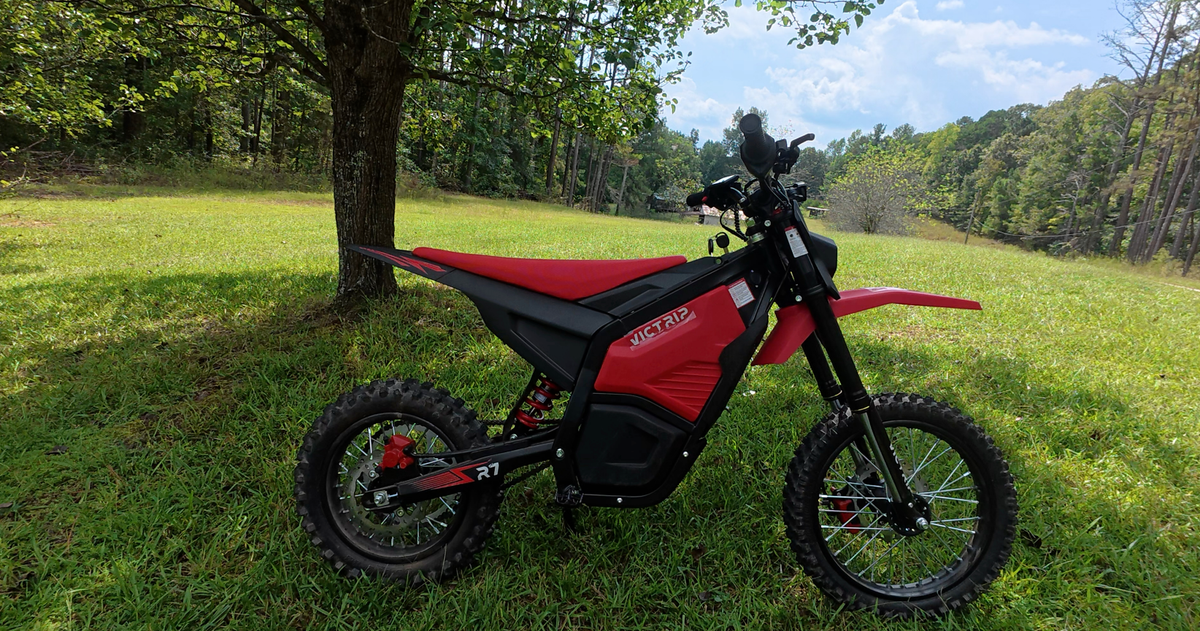
Navigating these regulations can be complex. One way to simplify the process is to start with a vehicle whose specifications are clearly defined and align with common legal thresholds. The VICTRIP R6 Moped Style EBike, for example, features a 28 mph top speed and a 750W motor. This places it at a key intersection where it can often qualify as a Class 3 eBike or a street-legal moped, depending on your state's specific laws. Always verify the manufacturer's specs against your local requirements to ensure a good fit.
Federal Guidance and Safety Standards
There is no federal license that guarantees street legality nationwide. Federal bodies influence legality indirectly by defining when a vehicle must meet motor vehicle safety standards rather than consumer-product rules. Once a moped exceeds certain speed or power limits, it can fall under stricter certification and compliance obligations, which then affect state registration eligibility.
Are Moped Bikes Street Legal in the U.S.?
Yes—but only if they comply with state and local law. In most states, legality depends on:
-
Motor power (watts or cc)
-
Maximum speed
-
Throttle use
-
Presence of pedals (in some statutes)
-
Registration and certification status
Exceeding limits often reclassifies the vehicle as a motorcycle, triggering higher requirements.
How State Laws Differ: Examples from Six States
| State | Max Speed | License Required | Helmet Law | Registration |
|---|---|---|---|---|
| California | 30 mph | M1/M2 endorsement sometimes | All riders | Required |
| New York | Class A/B/C | Varies by class | All riders under 21 | Certified models only |
| Texas | 20–30 mph | Depends on age/class | Under 21 or certain courses | Required |
| Florida | 20 mph | Moped permit | Under 21 | Required |
| Illinois | 30 mph | Driver’s license | All riders under 21 | Required |
| Washington | 25 mph | Driver’s license or moped permit | Under 18 | Required |
How to find YOUR state’s rules: Don't rely on word of mouth. Run a quick online search using this formula: ‘[Your State] DMV moped requirements’ or ‘[Your State] motorized scooter laws.’ Always prioritize results from official .gov websites for the most accurate information.
Common Legal Requirements for Public Roads
Even where mopeds are permitted, riders usually must meet these obligations:
-
Licensing: Regular driver’s license, moped permit, or motorcycle endorsement depending on class
-
Registration and plates: Required for many mopeds above low-speed thresholds
-
Insurance: Varies by state; strongly recommended even when not required
-
Safety equipment: Headlight, taillight, mirrors, horn, reflectors, and a DOT-approved helmet
Read More: Do You Need a License for a Moped?
Helmet Laws and Safety Equipment
Many states require helmets for riders under a certain age; others mandate helmets for all riders. Exceptions exist in some states, but from a safety and liability standpoint, wearing a DOT-rated helmet is always best practice.
Licensing: What You May Need
Depending on classification, expect one of three outcomes:
-
No special endorsement (low-speed classes in some states)
-
Moped or motorcycle permit/endorsement
-
Full motorcycle endorsement if the vehicle exceeds moped limits
Registration, Titling, and Certification
Some states require manufacturer certification to register a moped. Non-certified or improperly imported vehicles can be impossible to register, even if they seem compliant on paper.
Where You Can—and Can’t—Ride
-
Interstates & limited-access highways: Usually prohibited
-
Bike lanes & sidewalks: Often restricted or banned for mopeds
-
Road positioning: Many states require use of the rightmost lane except when turning
Always check local traffic codes and city ordinances.

How to Make Your Moped Street Legal (Checklist)
-
Confirm your vehicle’s category using specs
-
Verify manufacturer certification (if required)
-
Gather required documents (VIN, MCO, bill of sale)
-
Complete inspections if applicable
-
Register and plate the vehicle
-
Obtain insurance if required or recommended
-
Secure the proper license or endorsement
-
Equip the moped with legally required safety gear
-
Follow local riding and parking rules
Buying, Importing, and Compliance Tips
-
Buy models certified for your state
-
Avoid importing non-compliant vehicles
-
Keep written manufacturer specs
-
Consider dealers who assist with registration
Enforcement, Penalties, and Common Mistakes
Common penalties include fines, citations, impoundment, and insurance denial. Frequent mistakes:
-
Assuming low speed means exemption
-
Skipping certification checks
-
Riding in prohibited lanes or highways
-
Lacking proper license or helmet
What If My Moped Isn‘t Legal? (Next Steps)
If you've already started riding but are worried your motorcycle might not meet regulations, don't panic. First, check the Vehicle Identification Number (VIN). A 17-digit VIN usually indicates the vehicle is ready for registration. Next, contact the manufacturer and ask if they provide a Manufacturer's Certificate of Origin (MCO). This document is crucial for registration. If registration is not possible, you can choose to restrict the motorcycle's use to private locations, or in some cases, try applying for reclassification with the Department of Motor Vehicles (DMV), but this is usually a complex process.
Safety Practices for Responsible Riders
-
Wear DOT-approved protective gear
-
Use lights and reflectors
-
Take a rider safety course
-
Maintain brakes, tires, and lights
-
Carry registration and insurance proof
Conclusion
So, is a moped bike street legal? It can be—but only if it meets your jurisdiction’s technical definitions and you comply with licensing, registration, equipment, and local traffic rules. Federal guidance sets performance baselines, but states control the real-world requirements. Verify your specs, confirm certification, and prepare properly before riding.
Legal riding is safer, cheaper, and far less stressful. Ready to ride legally? Your first step is to visit your local DMV website and search for ‘Moped’ or ‘Motor-Driven Cycle’ to see the exact rules that apply to you.
FAQs
Do I need a motorcycle license to ride a moped?
Not always. Some states allow certain mopeds with a regular driver’s license, while others require a moped permit or motorcycle endorsement.
Are electric mopeds treated differently from gas mopeds?
Often yes. Electric models are commonly regulated by watts and top speed rather than engine displacement.
Can I ride a moped on the interstate?
Generally no. Mopeds are usually banned from interstates and limited-access highways.
Do I need a license for a 750W moped-style eBike?
It depends on speed and state law. Many 750W, 28 mph models are Class 3 eBikes (regular license OK) or require a moped permit.
How do I find exact local rules?
Start with your state DMV and state police or CHP website, then check city ordinances and manufacturer documentation.
Share:
Moped Style Ebike Buying Mistakes to Avoid
Preparing Your eBike for Winter Storage