

Choosing between full face vs open face dirt bike helmets isn't as simple as picking the one that looks cooler. Your helmet is the single most important piece of safety equipment you'll wear, and the right choice can significantly reduce the risk of serious injury during an accident.
Whether you're riding forest trails, racing on motocross tracks, or enjoying weekend adventures with your family, your helmet affects more than just safety. It influences comfort, confidence, visibility, ventilation, and even how long you can comfortably stay on your bike.
In this guide, we'll compare both helmet styles in detail, explain who each one is designed for, and help you decide which option fits your riding style best.
Understanding Dirt Bike Helmets
Dirt bike helmets are specifically engineered for off-road riding conditions. Unlike street motorcycle helmets, they feature extended chin bars, larger eye ports for goggles, lightweight construction, and aggressive ventilation systems.
Their purpose goes beyond protecting your head during a crash. They also shield you from:
- Flying rocks
- Tree branches
- Dust
- Mud
- Rain
- Insects
- Debris thrown by other riders
A quality helmet should feel comfortable without compromising protection.
Why Helmets Matter Off-Road
Off-road riding presents unique challenges that road riders rarely encounter.
Riders constantly deal with:
- Uneven terrain
- Loose gravel
- Sand
- Mud
- Steep climbs
- Unexpected obstacles
- Jump landings
Even experienced riders occasionally lose traction.
According to many motorcycle safety studies, head injuries remain one of the leading causes of serious injuries in motorcycle accidents. Wearing a certified helmet greatly lowers these risks.
A helmet also boosts rider confidence. Knowing you're properly protected allows you to focus on controlling the bike instead of worrying about potential hazards.
Safety Standards to Look For
Never buy a helmet based only on appearance.
Look for recognized safety certifications, including:
| Certification | Region | Meaning |
|---|---|---|
| DOT | United States | Meets federal minimum safety requirements |
| ECE 22.06 | Europe | One of the newest international safety standards |
| Snell | International | Higher voluntary testing standard often used in racing |
These certifications indicate the helmet has undergone rigorous testing for impact absorption, penetration resistance, and retention system strength.
Choosing a certified helmet from a reputable manufacturer is always worth the investment.
What Is a Full Face Dirt Bike Helmet?
A full face dirt bike helmet completely surrounds the rider's head, including the chin and jaw.

Its extended chin bar provides one of its greatest safety advantages. Facial injuries are common during motorcycle crashes, and this design helps protect vulnerable areas that an open face helmet leaves exposed.
Most modern full face helmets include:
- Large eye opening for goggles
- Adjustable visor
- Multiple intake vents
- Rear exhaust vents
- Lightweight shell
- Moisture-wicking interior lining
- Emergency cheek pad removal systems on premium models
These helmets are commonly used in:
- Motocross
- Enduro
- Trail riding
- Cross-country racing
- Adventure riding
Main Features
Modern full face helmets combine comfort with advanced protection.
Key features include:
Strong Outer Shell
Manufacturers commonly use:
- Polycarbonate
- Fiberglass composite
- Carbon fiber
- Kevlar blends
Each material balances weight, durability, and cost differently.
EPS Impact Liner
The expanded polystyrene (EPS) liner absorbs impact energy by compressing during a collision.
It is designed for one significant impact only, which is why helmets should be replaced after a crash.
Advanced Ventilation
Many riders worry full face helmets are too hot.
Modern designs solve this problem through carefully placed intake and exhaust vents that channel fresh air across the rider's head while allowing warm air to escape.
Adjustable Peak Visor
The visor blocks:
- Sunlight
- Flying debris
- Mud
- Roost from riders ahead
Many visors are adjustable or removable depending on riding conditions.
Advantages of Full Face Helmets
The biggest advantage is obvious—maximum protection.
Benefits include:
Superior Impact Protection
The chin bar protects the jaw and mouth during falls.
Research into motorcycle crash injuries has shown that impacts to the chin area are common, making this feature especially valuable.
Better Weather Protection
Full face helmets shield riders from:
- Cold wind
- Heavy rain
- Dust
- Mud splashes
This makes longer rides more comfortable.
Reduced Noise
Although off-road helmets are naturally louder than street helmets because of their visor design, full face models generally reduce wind noise better than open face helmets.
Better Eye Protection
When paired with quality goggles, riders enjoy improved protection from airborne debris.
Disadvantages of Full Face Helmets
No helmet is perfect.
Potential drawbacks include:
- Slightly heavier
- Can feel warmer in hot climates
- More expensive
- Less airflow around the face
- Slightly more difficult to communicate without helmet intercoms
Fortunately, helmet technology has improved dramatically, making modern models much lighter than older generations.
What Is an Open Face Dirt Bike Helmet?
An open face dirt bike helmet protects the top, sides, and back of the head while leaving the face exposed.

This style is more common among casual riders, utility riders, and low-speed recreational users than competitive off-road racers.
The open design provides a feeling of freedom and increased airflow.
Many riders appreciate the ability to:
- Speak easily
- Drink water quickly
- Enjoy greater peripheral awareness
- Feel less enclosed
However, these benefits come with reduced facial protection.
Main Features
Open face helmets typically include:
- Lightweight shell
- Large visor
- Comfortable interior padding
- Wide field of vision
- Excellent airflow
- Easy-to-use chin strap
Some models include detachable face shields, though goggles are still recommended when riding off-road.
Advantages of Open Face Helmets
Open face helmets remain popular for several reasons.
Excellent Ventilation
The rider's face receives constant airflow.
This makes them especially comfortable during:
- Summer riding
- Low-speed trail riding
- Farm use
- Utility riding
Lightweight Feel
Most open face helmets weigh slightly less than comparable full face models.
Less weight can reduce neck fatigue on longer rides.
Easy Communication
Talking with riding partners becomes much easier without removing the helmet.
This is especially convenient during group rides.
Wider Feeling of Visibility
Although actual peripheral vision differences are often minimal, many riders report feeling less confined in an open face helmet.
Disadvantages of Open Face Helmets
The biggest drawback is safety.
Without a chin bar, riders lose protection for:
- Chin
- Jaw
- Teeth
- Nose
- Lower face
Flying rocks and branches can also directly strike exposed skin.
For aggressive trail riding or motocross, this level of protection may not be sufficient.
Full Face vs Open Face Dirt Bike Helmets: Side-by-Side Comparison
Now that you understand the basics of both helmet types, let's compare them side by side. While both offer head protection, they serve different purposes and riding styles.
| Feature | Full Face Helmet | Open Face Helmet |
|---|---|---|
| Overall Protection | ⭐⭐⭐⭐⭐ | ⭐⭐⭐ |
| Chin & Jaw Protection | Excellent | None |
| Ventilation | Very Good | Excellent |
| Weight | Slightly Heavier | Lighter |
| Wind Protection | Excellent | Fair |
| Dust & Debris Protection | Excellent | Limited |
| Noise Reduction | Better | Less Effective |
| Comfort in Hot Weather | Good | Excellent |
| Suitable for High-Speed Riding | Yes | Not Recommended |
| Trail Riding | Excellent | Good for Easy Trails |
| Motocross Racing | Highly Recommended | Not Recommended |
| Casual Riding | Excellent | Good |
The choice ultimately depends on where and how you ride. If your rides involve speed, technical terrain, or unpredictable obstacles, a full face helmet is the safer option. If you're riding at lower speeds on gentle trails or around private property, an open face helmet may provide enough comfort and protection.
Safety Comparison
When comparing full face vs open face dirt bike helmets, safety should always come first.
A study by the U.S. National Highway Traffic Safety Administration (NHTSA) has shown that helmets significantly reduce the risk of head injuries in motorcycle crashes. While both helmet types protect the skull, only a full face helmet protects the chin and jaw.
This matters because facial impacts are common during falls. A rider who goes over the handlebars often lands face-first before the rest of the body absorbs the impact.
Full Face Helmet Advantages
- Protects the entire head
- Shields the chin and jaw
- Better impact absorption
- Keeps debris away from the face
- Better suited for unpredictable terrain
Open Face Helmet Risks
- Exposed face
- Higher chance of facial injuries
- Less protection from branches and rocks
- Reduced protection during high-speed crashes
If maximum protection is your priority, the answer is clear: the full face helmet wins.
Comfort and Ventilation
Comfort can determine whether you enjoy a ride or cut it short.
Full Face Helmets
Modern full face helmets feature sophisticated airflow systems. Large intake vents pull cool air inside while rear exhaust vents push hot air out.
Many premium models also include:
- Moisture-wicking liners
- Removable cheek pads
- Washable interiors
- Adjustable vents
Although warmer than open face helmets, they are much more breathable than older designs.

Open Face Helmets
Open face helmets naturally allow more airflow.
Advantages include:
- Cooler during summer
- Easier breathing at slow speeds
- Less heat buildup
- Comfortable during frequent stops
However, the increased airflow also means more dust, insects, and rain can reach your face.
Visibility and Field of View
Many riders assume an open face helmet offers significantly better visibility.
In reality, modern full face dirt bike helmets have very large eye ports designed specifically for off-road goggles.
Full Face Helmets
Offer:
- Excellent forward vision
- Wide peripheral view
- Better eye protection with goggles
- Reduced glare when paired with tinted goggles
Open Face Helmets
Provide:
- Open feeling
- Easy communication
- Slightly less restricted downward view
Both designs offer good visibility, but full face helmets provide much better protection while maintaining an impressive field of view.
Which Helmet Is Best for Different Riders?
Not every rider has the same needs. Here's how different rider types can choose wisely.
Beginners
New riders often experience more falls while learning.
A full face helmet gives beginners the greatest confidence and protection, making it the recommended choice.
Trail Riders
Trail riding often involves:
- Loose rocks
- Tree branches
- Mud
- Narrow paths
- Unexpected drops
A full face helmet protects against both crashes and environmental hazards.
Motocross Riders
Motocross riders regularly jump, race, and ride aggressively.
Nearly every professional motocross rider wears a full face helmet because it offers the highest level of protection.
Casual Riders
If you ride slowly around campsites, farms, or private land, an open face helmet may be comfortable enough.
Still, even casual riders should remember that accidents can happen at any speed.
Choosing the Right Helmet Size
A high-quality helmet only works if it fits correctly.
Measure Your Head
Use a soft measuring tape around the widest part of your head, about one inch above your eyebrows.
Compare your measurement with the manufacturer's sizing chart.
Signs of a Good Fit
- Snug but not painful
- No pressure points
- Helmet doesn't rotate easily
- Cheek pads touch your face firmly
- Chin strap fastens securely
Never buy a helmet that's "close enough." A poor fit can reduce its protective performance.
Find the Right Protection for Your Off-Road Adventures
Choosing the right helmet is just as important as choosing the right dirt bike. A properly designed dirt bike helmet should provide a secure fit, strong impact protection, and enough comfort for long trail rides.
For riders looking for reliable off-road protection, the VICTRIP Dirt Bike Helmet is designed to provide the safety and comfort needed for electric dirt bike adventures. It features a full-face design that helps protect the head, chin, and face while riding on challenging terrain. Combined with proper goggles and other protective gear, it helps riders stay confident when exploring trails, dirt paths, and outdoor environments.
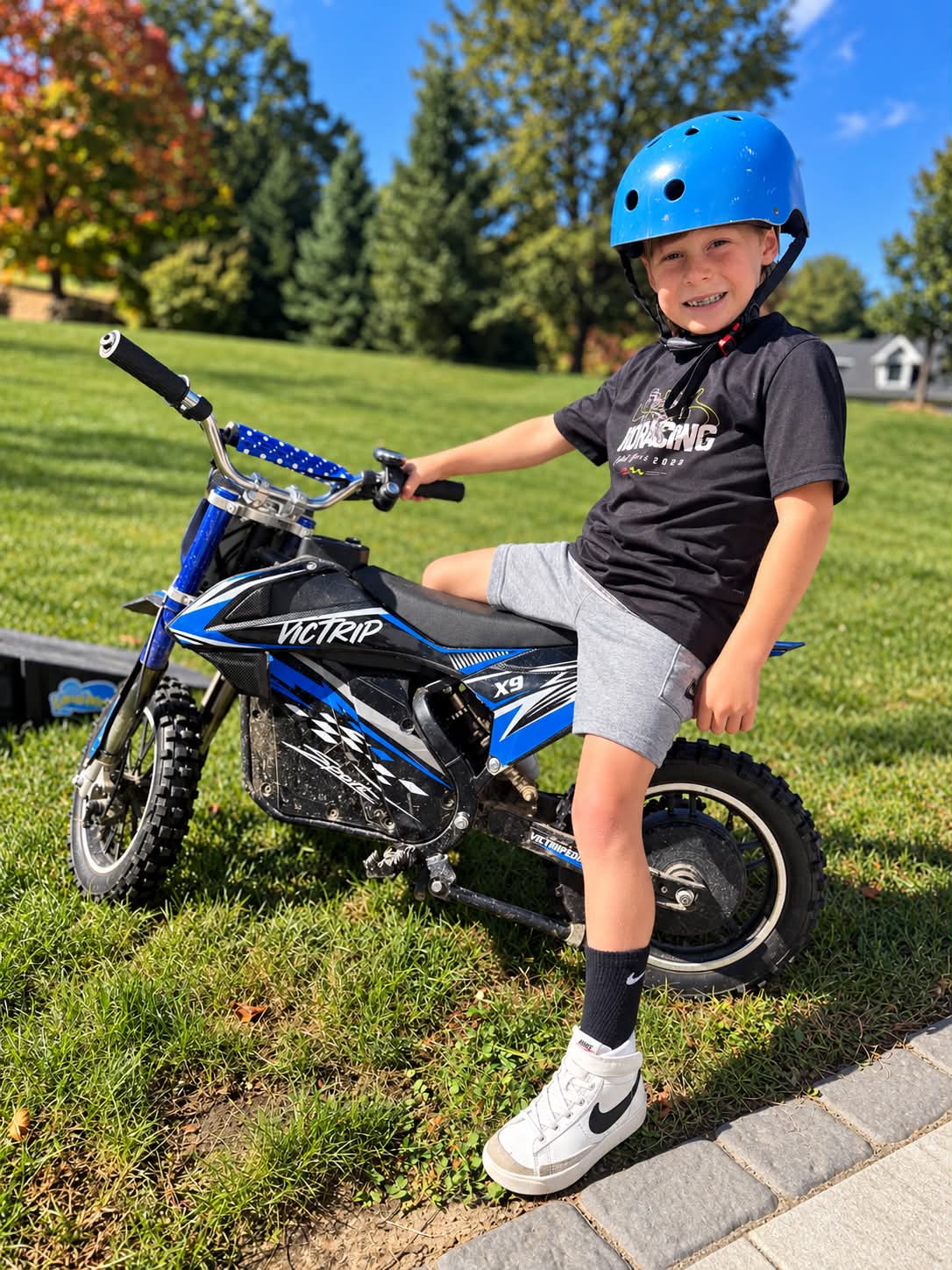
Whether you're riding a VICTRIP electric dirt bike for kids or an adults off-road model, wearing a quality helmet is an essential step toward safer riding.
TOP PICK
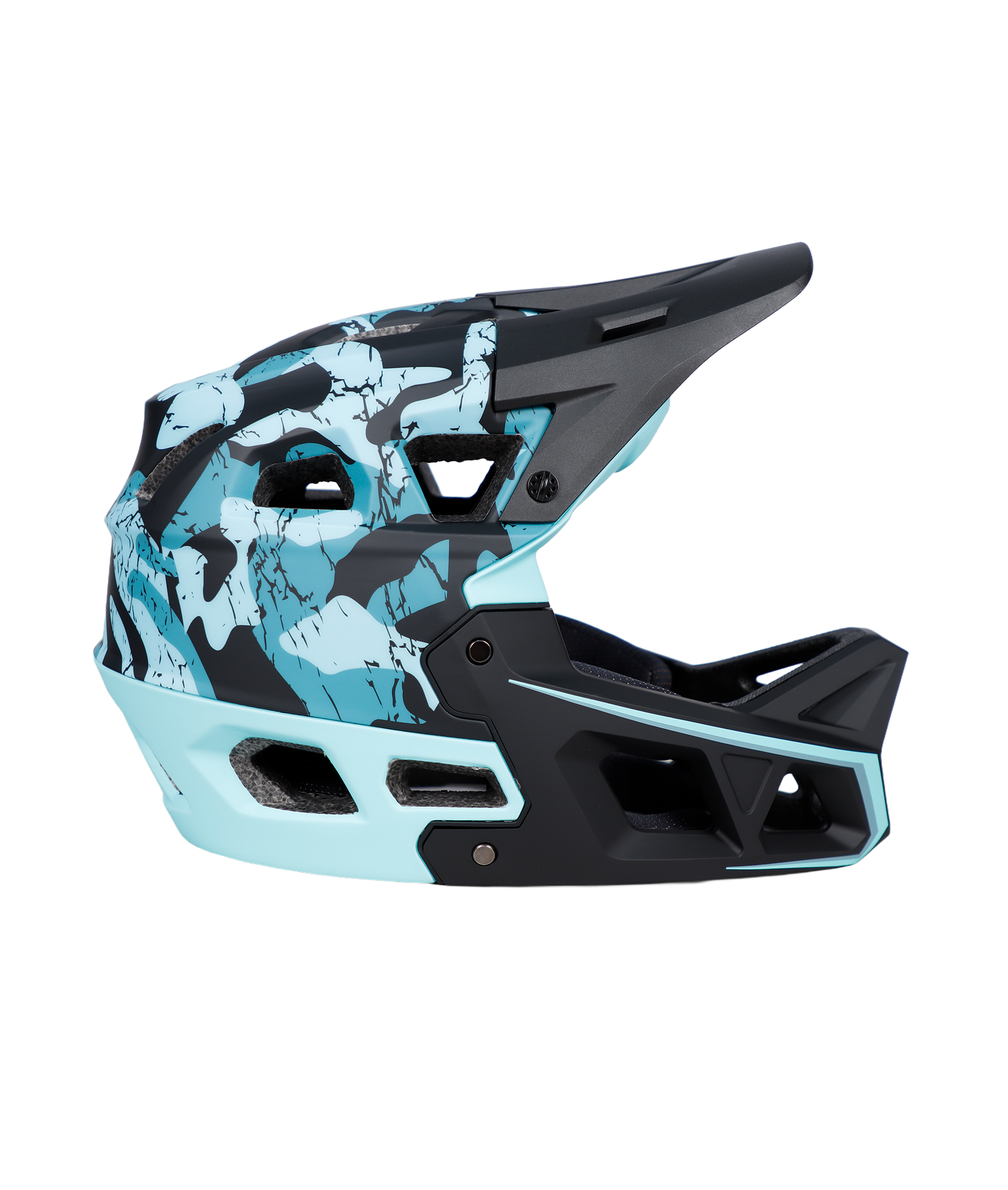
VICTRIP®Youth Full Face Motorcycle Helme
$179.00
Essential Features to Consider Before Buying
Whether you choose a full face or open face model, look for these features:
Certified Safety Rating
Choose helmets certified to DOT, ECE 22.06, or Snell standards.
Lightweight Construction
Materials like fiberglass composites and carbon fiber reduce fatigue during long rides.
Efficient Ventilation
Good airflow helps prevent overheating, especially during summer rides.
Comfortable Interior
Look for:
- Removable liner
- Washable padding
- Anti-bacterial materials
- Moisture-wicking fabric
Durable Chin Strap
A double D-ring or high-quality quick-release buckle helps keep the helmet securely in place.
A Reliable Dirt Bike Deserves Reliable Protection
Choosing the right helmet goes hand in hand with choosing the right dirt bike. Riders should always match their safety gear to the type of terrain and performance they expect from their machine.
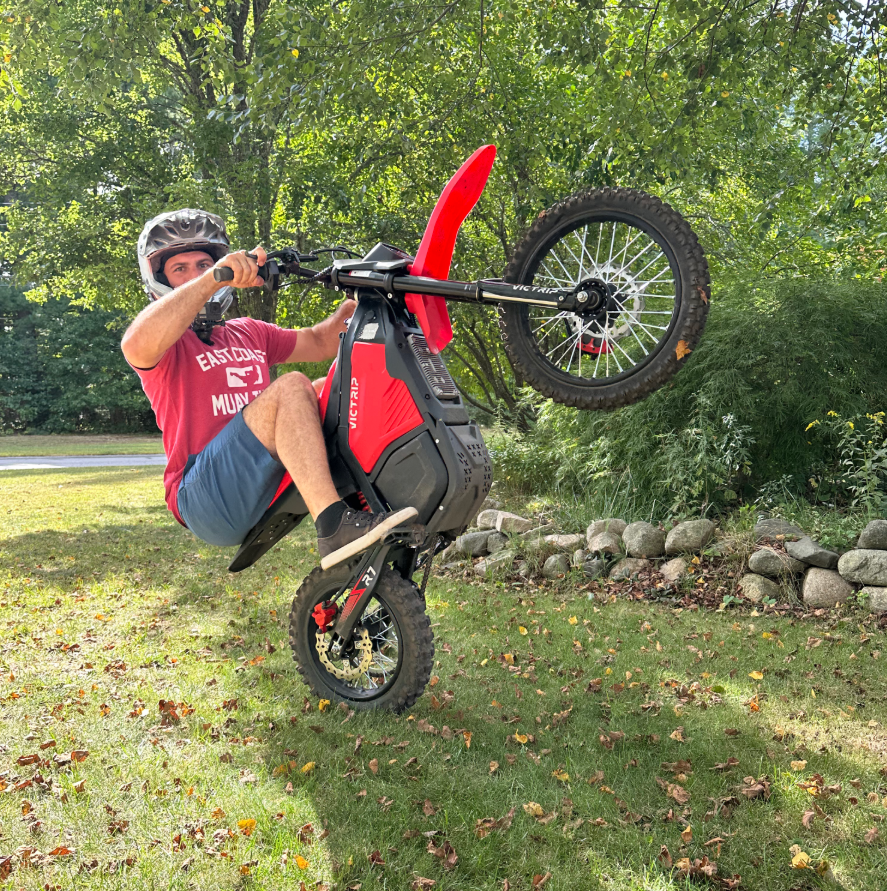
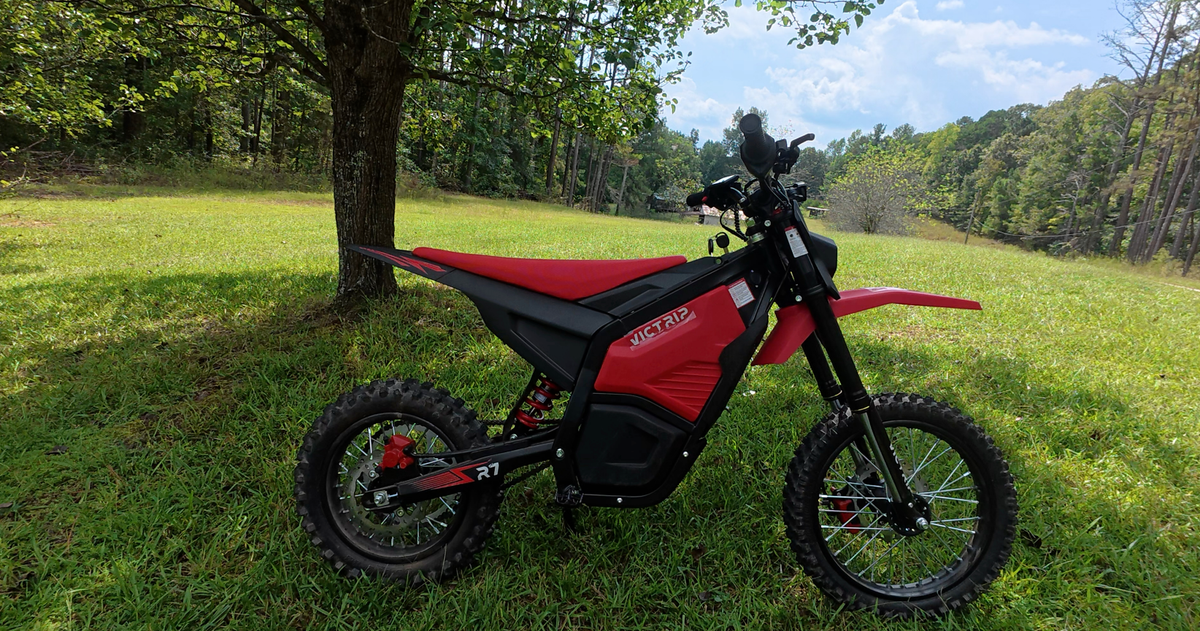
For younger riders and beginners, the VICTRIP R7 Electric Dirt Bike is a great example of a bike designed with controllability and confidence in mind. Its adjustable riding modes, responsive braking system, and beginner-friendly handling make it well suited for learning off-road skills while wearing proper protective equipment, including a certified full face helmet.
No matter which bike you ride, investing in quality safety gear is one of the smartest decisions you can make.
Common Mistakes When Buying a Dirt Bike Helmet
Many riders make avoidable mistakes when shopping for a helmet.
Buying Based Only on Price
A cheaper helmet may save money initially but could compromise comfort, durability, or safety features.
Choosing the Wrong Size
A loose helmet can shift during a crash, while one that's too tight becomes uncomfortable on longer rides.
Ignoring Safety Certifications
Always check for recognized certifications before purchasing.
Keeping a Damaged Helmet
Even if damage isn't visible, helmets should be replaced after a significant impact because the inner EPS liner may have been compromised.
Forgetting to Replace an Old Helmet
Most manufacturers recommend replacing helmets every five to seven years, depending on usage and storage conditions.
Frequently Asked Questions
Are full face helmets safer than open face helmets?
Yes. Full face helmets provide additional protection for the chin, jaw, and face, making them the safer option for most dirt bike riders.
Can I use an open face helmet for motocross?
It is not recommended. Motocross involves jumps, high speeds, and rough terrain where maximum facial protection is essential.
Are full face helmets too hot in summer?
Not necessarily. Modern full face helmets feature advanced ventilation systems that keep riders comfortable even in warm weather.
Should beginners wear full face helmets?
Absolutely. Beginners are more likely to experience falls while learning, so the added protection of a full face helmet is highly beneficial.
How often should I replace my dirt bike helmet?
Replace your helmet after any major impact or every five to seven years, depending on manufacturer recommendations and wear.
What safety certification should I look for?
Look for DOT, ECE 22.06, or Snell certification to ensure the helmet meets recognized safety standards.
Conclusion
When comparing full face vs open face dirt bike helmets, there is no one-size-fits-all answer—but there is a clear winner for most off-road riders.
A full face helmet offers the highest level of protection by covering the entire head, including the chin and jaw. It also provides better defense against rocks, branches, mud, and harsh weather, making it the preferred choice for trail riding, motocross, enduro, and higher-speed adventures.
An open face helmet has its place for low-speed recreational riding where maximum ventilation and easy communication are priorities. However, the reduced facial protection means it is generally less suitable for demanding off-road conditions.
Before making your purchase, always ensure the helmet fits correctly, carries a recognized safety certification, and matches your riding style. Pairing a high-quality helmet with a well-maintained dirt bike—and appropriate protective gear such as goggles, gloves, boots, and body armor—will help you ride with greater confidence and safety.
For more information on motorcycle helmet safety and standards, visit the U.S. National Highway Traffic Safety Administration (NHTSA) at https://www.nhtsa.gov.
Share:
Electric Dirt Bike Suspension Guide: Why It Matters for Off-Road Riding
Electric Dirt Bike Tire Size Guide: 12 Inch, 14 Inch, 16 Inch, and Beyond