

When people ask, how powerful of an ebike motor do you need, they’re usually trying to avoid two costly mistakes: buying a motor that feels underwhelming or overpaying for power they’ll never use. Ebike motor power directly affects acceleration, hill-climbing ability, load capacity, and overall riding comfort.
Motor power is measured in watts (W). Simply put, higher wattage equals more force delivered to the wheels. However, more power doesn’t always mean better performance for every rider. The right choice depends on terrain, rider weight, speed expectations, and even local laws.
Understanding these fundamentals early helps you pick an ebike that feels effortless instead of exhausting.
What Motor Power Really Means (Watts Explained)
Watts represent how much electrical energy the motor can convert into mechanical force. A 250W motor supplies less torque than a 750W motor, but that doesn’t automatically make it inferior. On flat city streets, a lower-watt motor can feel smooth and efficient.
Think of motor watts like engine displacement in cars. A small engine can still drive well in the city, while a larger one shines on highways or steep terrain. The same logic applies to ebikes.
Nominal vs Peak Power: Why It Matters
Most ebike manufacturers list nominal (continuous) power. This is the sustained output the motor can deliver without overheating. Peak power, on the other hand, refers to short bursts—useful when accelerating or climbing hills.
For example, a 750W motor may briefly peak at 1000W. That extra surge makes a noticeable difference when starting from a stop or tackling steep inclines.
Common Ebike Motor Power Ratings Explained
Choosing the correct motor wattage starts with understanding common categories and what they’re best suited for.
250W Ebike Motors: Light Duty Performance
A 250W motor is typically found on European-style commuter ebikes. It’s efficient, quiet, and compliant with strict regulations.
Best for:
-
Flat urban commuting
-
Lightweight riders
-
Short-distance travel
However, if you live in a hilly area or carry cargo, 250W may feel sluggish. You’ll likely work harder, especially on inclines.

500W Ebike Motors: Balanced Everyday Power
A 500W motor offers a noticeable jump in performance without sacrificing efficiency. It’s often considered the middle ground for most riders asking, how powerful of an ebike motor do you need.
Best for:
-
Mild hills
-
Daily commuting
-
Riders up to medium-heavy weight
This power level feels responsive and forgiving, especially when paired with a quality battery.
750W Ebike Motors: High-Performance Sweet Spot
For many riders, 750W is the ideal balance of power, legality (in the US), and versatility. It delivers strong torque for hills, faster acceleration, and better performance under load.
Best for:
-
Hilly terrain
-
Heavier riders
-
Long-distance commuting
This is the category where performance begins to feel effortless rather than assisted.

1000W+ Motors: Extreme Use Cases
Motors above 1000W are built for off-road riding, cargo hauling, or thrill-seekers. While powerful, they often fall outside legal ebike definitions.
Best for:
-
Private land use
-
Off-road trails
-
Heavy cargo transport
For most riders, this much power is unnecessary and reduces range efficiency.
1500W Ebike Motors: Power for Serious Riders
A 1500W ebike motor represents the transition from consumer-grade performance to high-torque, utility-focused power. At this level, acceleration is immediate, hill climbing is effortless, and heavy loads no longer feel restrictive.
Best for:
-
Steep hills and mountainous terrain
-
Heavier riders (220 lbs / 100 kg+)
-
Cargo hauling and trailer towing
-
Riders who rely heavily on throttle use
A 1500W motor significantly reduces motor strain compared to 750W when carrying weight uphill. Instead of operating near its limit, the motor works within a safer efficiency range, improving thermal stability and long-term durability.
However, battery requirements increase dramatically. A motor of this size demands high-capacity batteries (often 48V–52V, 15Ah+) to avoid rapid voltage sag and reduced range.
Legal note:
In most regions, 1500W motors exceed standard ebike classifications and are typically restricted to private property or off-road use.
2000W Ebike Motors: Heavy-Duty and Off-Road Dominance
A 2000W motor is built for riders who prioritize raw torque and mechanical authority over regulatory compliance or lightweight efficiency. This power level is common in off-road ebikes, electric mopeds, and extreme cargo builds.
Best for:
-
Aggressive off-road riding
-
Sand, snow, and loose gravel
-
Commercial or industrial cargo transport
-
Riders replacing small gas-powered vehicles
At 2000W, the motor can sustain steep climbs without overheating and maintain speed under extreme loads. Throttle response becomes instant, often eliminating the need for pedal input entirely.
Trade-offs:
-
Substantially reduced range
-
Increased drivetrain wear
-
Heavier frame and reinforced components required
Without a properly engineered system, this level of power can overwhelm lesser ebike frames. Quality motor controllers, torque arms, and braking systems become non-negotiable.
Read More: How Fast Can A 2000w Electric Bike Go?
3000W Ebike Motors: Electric Motorcycle Territory
A 3000W ebike motor no longer functions as a traditional ebike motor—it operates in electric motorcycle territory. Performance at this level is extreme, with acceleration comparable to small displacement motorbikes.
Best for:
-
Private land use
-
High-speed off-road riding
-
Utility or experimental builds
-
Riders seeking maximum torque output
At 3000W:
-
Hill climbing is virtually unrestricted
-
Rider weight becomes almost irrelevant
-
Power delivery must be carefully managed to maintain control
Critical considerations:
-
Requires large battery packs (often 60V or higher)
-
Advanced motor controllers are essential
-
Heat management becomes a primary engineering concern
For everyday commuting, this power level is excessive and inefficient. For most riders, the performance benefits are outweighed by reduced practicality, legality issues, and increased maintenance demands.
Read More: How Fast Can A 3000w Electric Bike Go?
Why More Power Isn’t Always Better
While 1500W–3000W motors offer undeniable strength, usable efficiency drops sharply beyond 750W–1000W for real-world riding. Higher wattage only delivers meaningful benefits when:
-
Terrain is consistently extreme
-
Load requirements are substantial
-
Riding environment allows unrestricted power
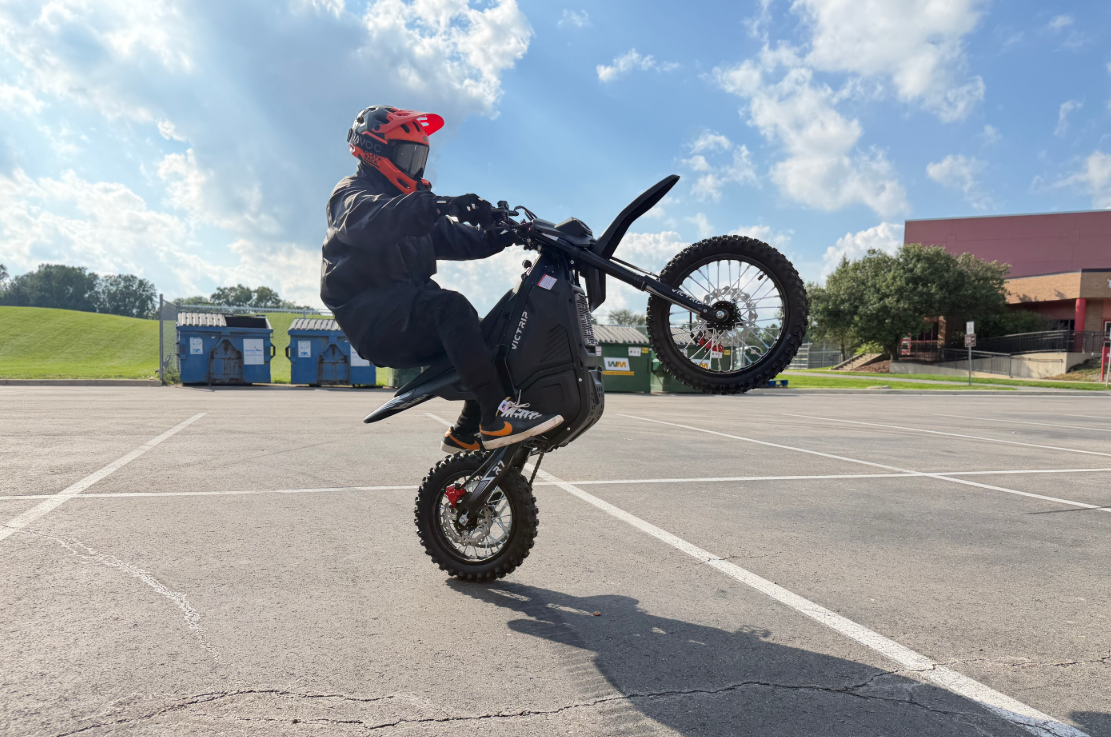
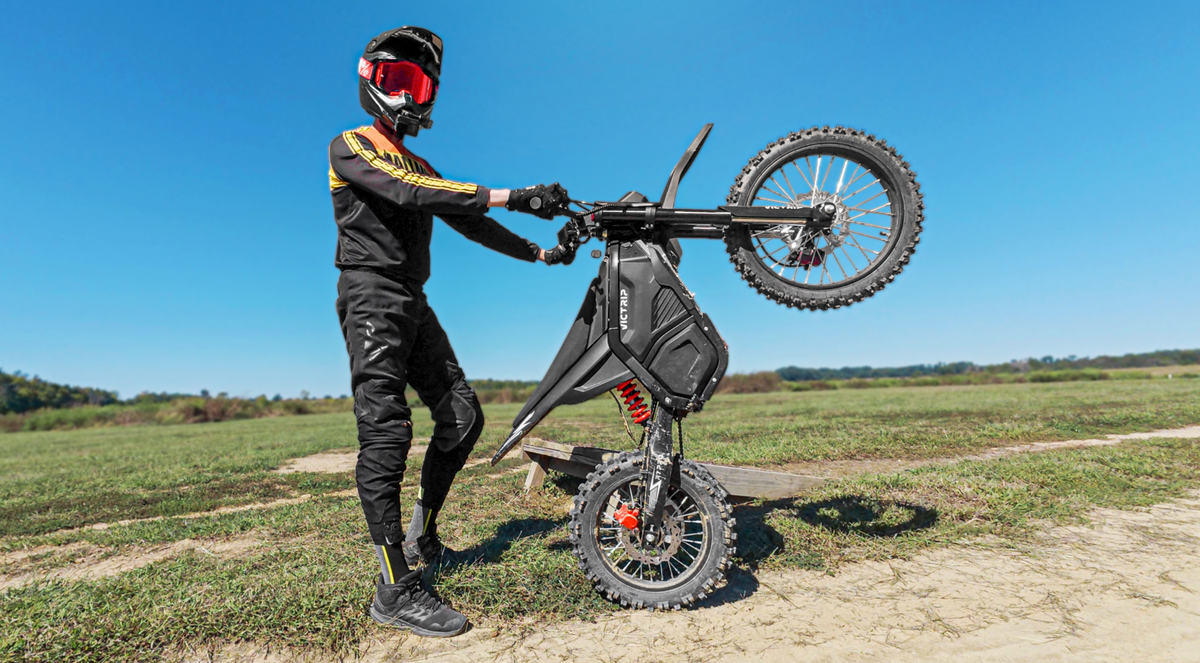
For most riders seeking a balance of performance, range, legality, and longevity, a well-tuned system like the VICTRIP R6 Pro achieves the optimal middle ground—delivering strong torque without unnecessary excess.
How Terrain Influences Ebike Motor Power Needs
Terrain is one of the most overlooked factors when deciding how powerful of an ebike motor you need.
Flat Urban Roads vs Rolling Hills
On flat terrain, lower watt motors perform surprisingly well. A 250W or 500W motor can maintain consistent speeds without strain. But rolling hills change everything.
Frequent inclines demand higher torque. Without it, the motor overheats, drains the battery faster, and forces the rider to pedal harder.
Steep Hills, Mountains, and Off-Road Trails
Steep climbs require sustained torque. A 750W motor handles these conditions confidently, maintaining speed without stressing components.
For mountain regions, choosing higher power isn’t indulgent—it’s practical.
Rider Weight, Cargo, and Load Considerations
Motor power doesn’t operate in a vacuum. Weight dramatically affects performance.
Weight Thresholds and Motor Strain
Heavier riders place more demand on the motor. A 250W motor under heavy load may struggle, especially uphill. Conversely, a 750W motor distributes effort more efficiently, extending motor life.
Cargo Bikes and Long-Term Durability
If you carry groceries, work equipment, or child seats, higher motor wattage prevents long-term strain. Underpowered motors wear out faster.

Speed, Acceleration, and Riding Style
Your riding style shapes how powerful of an ebike motor you need.
Commuting vs Leisure Riding
Leisure riders can get away with lower power. Commuters, especially those riding daily, benefit from stronger motors that reduce fatigue.
Throttle Use vs Pedal Assist
Throttle-heavy riding demands more power. If you rely on throttle often, a 750W motor feels smoother and safer.
Legal Limits and Regional Regulations
Always consider local laws before choosing motor power.
Ebike Motor Power Laws in the US
In the US, Class 1–3 ebikes typically allow up to 750W. Anything above may require registration.
Ebike Motor Power Laws in Europe
Europe limits motors to 250W continuous power. Exceeding this can make your ebike illegal on public roads. For official guidelines, refer to the European Commission’s transport regulations: https://transport.ec.europa.eu.
Battery Capacity vs Motor Power Balance
A powerful motor is only as good as its battery.
Why Bigger Motors Need Smarter Batteries
Higher watt motors drain batteries faster. Pairing a strong motor with insufficient battery capacity leads to poor range and inconsistent performance.
Range Expectations at Different Power Levels
| Motor Power | Average Range |
|---|---|
| 250W | 40–70 miles |
| 500W | 30–60 miles |
| 750W | 25–50 miles |
Actual range depends on terrain, rider input, and battery size.
Real-World Example: Matching Motor Power to Riders
City Commuter Scenario
A daily commuter on flat roads benefits from a 500W motor. It’s efficient, compliant, and comfortable.
Long Range and Performance Rider Scenario
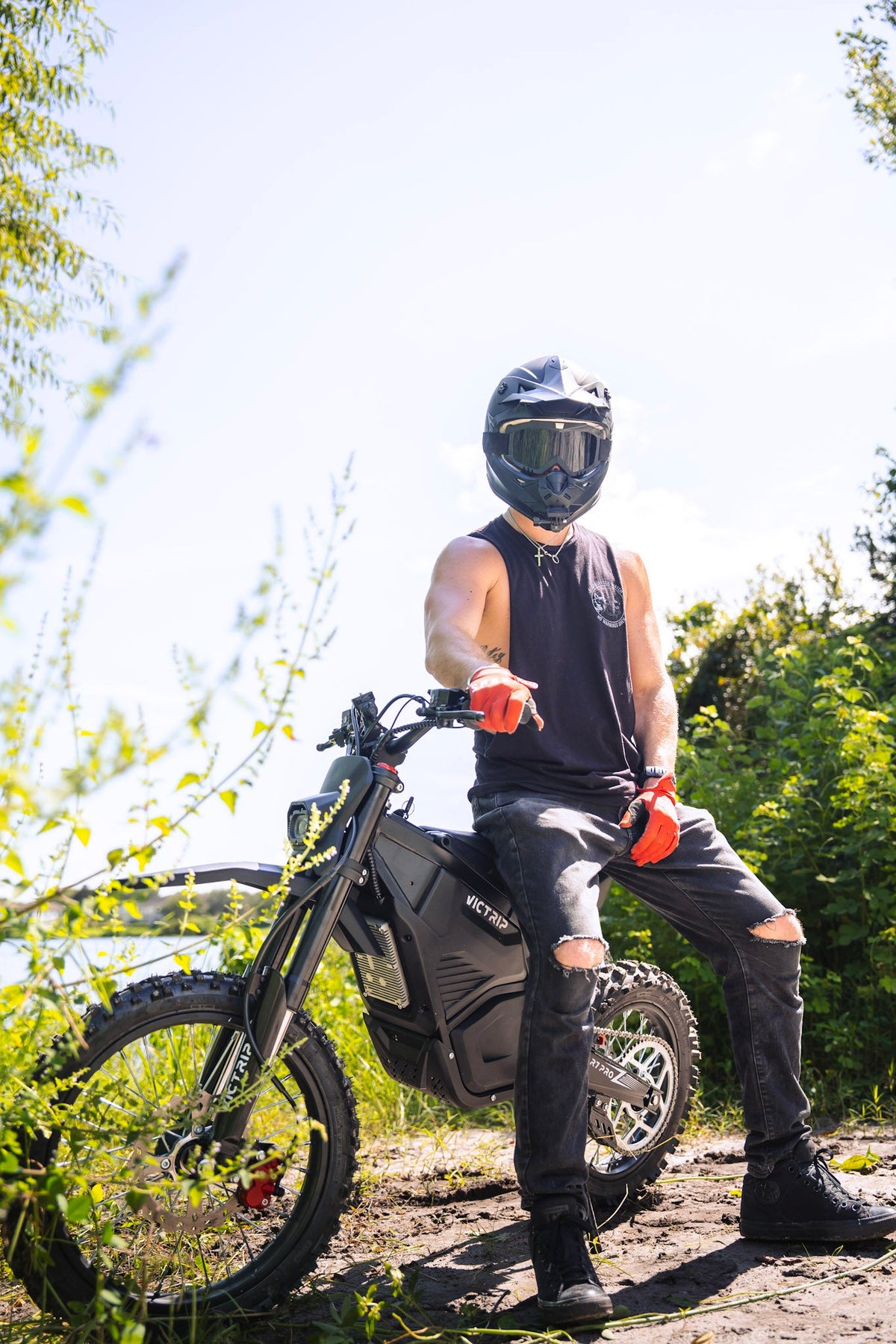
For riders who want power, range, and reliability, the VICTRIP R6 stands out. Its optimized motor system balances high torque with efficient energy use, making it suitable for hills, heavier riders, and longer commutes—without unnecessary excess.
Conclusion
So, how powerful of an ebike motor do you need? The answer isn’t one-size-fits-all. It depends on where you ride, how you ride, and what you carry. For flat cities, lower wattage works. For hills, cargo, and daily commuting, higher power delivers comfort and longevity.
Choosing the right motor ensures your ebike feels like a reliable partner—not a struggle. When power, battery, and riding style align, every ride becomes smoother, safer, and more enjoyable.
FAQs
1. How powerful of an ebike motor do you need for hills?
A 750W motor is ideal for steep or frequent hills.
2. Is 500W enough for daily commuting?
Yes, for moderate terrain and average rider weight.
3. Does higher wattage mean faster speed?
Not always. Speed is often limited by regulations, but higher wattage improves acceleration and climbing.
4. Is a 250W motor too weak?
Only for hills or heavy riders. On flat roads, it performs well.
5. Will a powerful motor drain my battery faster?
Yes, unless paired with a high-capacity battery.
6. What’s the best all-around motor power?
For most riders, 750W offers the best balance.
Share:
Valentine’s Day Gift for Couples With Pets: VICTRIP® T1 Electric Trike
Is an Ebike Conversion Kit Legal?