


An electric hunting bike is not the same as a casual commuter or weekend cruiser. It has a different job. It must perform when the trail gets rough, the weather turns cold, and the gear load starts to stack up. In the wild, small problems become big ones fast. A flimsy rack, weak brakes, poor traction, or sloppy power delivery can make the ride frustrating at best and unsafe at worst.
That is why how to choose the best electric hunting bike for your needs begins with purpose. Ask yourself a simple question: what do I actually need this bike to do? If the answer is “carry gear, move quietly, and handle backcountry terrain,” then you already know this is not a style-first purchase. It is a utility-first purchase.
Quiet travel matters in the field
Hunters often value silence because noise can change the whole situation. A loud motor, rattling accessories, or a poorly fitted cargo setup can create problems. The best electric hunting bike should support smooth movement with minimal distraction.
Gear hauling changes everything
Many hunting trips involve more than just a rider and a trail. You may need to carry a backpack, tools, optics, game bags, safety items, water, and extra layers. That means frame strength and cargo options matter just as much as speed.
Start With Your Hunting Terrain
Terrain is one of the biggest factors in how to choose the best electric hunting bike for your needs. A bike that feels great on firm dirt may feel unstable in mud or sand. A bike that climbs well on a short hill may struggle on long, steep grades with a heavy load.
Dirt, mud, and loose gravel
If your hunting area includes soft ground, loose rock, or wet soil, you need a bike that stays planted. Wider tires, strong traction, and a stable frame are all helpful. A hunting bike should not feel twitchy when the trail gets messy.
Hills, brush, and uneven trails
If your route includes climbs or rough tracks, then balance becomes critical. A bike should feel predictable when turning, braking, and starting again on an incline. That is especially true when you are carrying extra gear or moving through uneven brush.
Match the bike to the land, not the brochure
This is where many buyers go wrong. They shop for impressive specs but ignore the place where the bike will actually be used. A “good” hunting bike is not universal. It is the one that suits your land, your distance, and your style of travel.
Range and Battery Planning
Battery range is one of the most important parts of how to choose the best electric hunting bike for your needs. Many buyers think only about maximum range, but real-world range depends on weight, terrain, wind, temperature, and how much assistance you use.
How far you really ride
Do not plan for the easiest ride you might take. Plan for the longest practical trip you expect to make in a season. Then add a safety buffer. If you routinely ride 10 miles, a bike that promises 30 miles sounds fine, but you still need to consider hills, cold mornings, and cargo weight.
Cold weather and elevation effects
Battery performance can change in colder weather. So can riding efficiency at higher elevations. If you hunt in fall or winter, that matters a lot. A strong battery is useful, but smart planning is better. It is always wiser to leave margin than to come back with a dead battery and a long walk.
Think about charging habits
Range also connects to your routine. Can you charge at home after every ride? Will the bike sit in storage for long periods? Do you need a removable battery or a simple charging setup? These practical questions matter more than a big number on a spec sheet.
Motor Power and Pedal Feel
Motor choice changes the whole riding experience. Some bikes feel abrupt. Others feel smooth and natural. When you are deciding how to choose the best electric hunting bike for your needs, the way the motor responds should be near the top of your list.
Torque sensor vs. cadence sensor
A torque sensor responds to how hard you pedal. That usually creates a more natural feel, which many hunters appreciate because the bike reacts smoothly instead of kicking in all at once. A cadence sensor is simpler, but it can feel less refined. For rough trails and stealthy movement, smoother assistance is often the better fit.
Climbing and control
Steep climbs are common in hunting terrain. A bike that delivers power smoothly gives you better control on hills, especially when the trail is loose or uneven. You want assist that feels like help, not a sudden lurch.
Power is not just about speed
More power does not always mean a better hunting bike. In the field, control often matters more than raw speed. A well-tuned system can make the bike feel steady, predictable, and easier to manage when conditions get tricky.
Frame, Cargo, and Hunting Accessories
A hunting bike should support your work, not complicate it. The frame, rack setup, and accessory options all shape how useful the bike really is.
Rack, trailer, and storage options
Ask how you will carry your gear. A rear rack is helpful, but some riders need more. You may want a front basket, frame bag, or trailer setup. The right answer depends on your equipment and how much weight you plan to move.

Stability with a loaded setup
Cargo changes handling. A bike that feels nimble when empty can feel awkward when loaded down. That is why frame stiffness and weight distribution matter. The best electric hunting bike for your needs should stay balanced even when it is working hard.
Hunting-ready accessories make a difference
Useful add-ons can include lights, fenders, racks, and storage solutions. These may seem minor at first, but they often improve daily use more than a small bump in motor power would. In the real world, little details add up.
Comfort and Fit for Long Days
A hunting trip can mean hours in the saddle. That is why comfort should never be an afterthought. When people ask how to choose the best electric hunting bike for your needs, they often focus on specs and forget the body. Bad fit can ruin even a strong bike.
Saddle, grips, and riding position
A comfortable saddle and natural riding position reduce fatigue. Grips matter too, especially on bumpy trails. If your hands and back feel beat up after a short ride, the bike is not doing its job.
Suspension and tire choice
A rough trail can tire you out faster than you expect. Suspension and tire design help absorb shock, improve control, and reduce strain. This is especially useful when you are riding before dawn, after dark, or in hard seasonal conditions.
Fit is personal
There is no single best fit for everyone. Rider height, inseam, posture, and riding style all matter. A bike should feel like it belongs under you. If it feels awkward in the first few minutes, that feeling rarely improves later.
Noise, Stealth, and Maintenance
A hunting bike should be dependable, low-fuss, and quiet. That combination is valuable because it helps you focus on the hunt instead of the machine.
Low-noise operation
The quieter the bike, the better it tends to serve the hunting purpose. Mechanical noise, rattling parts, and loose accessories can all become problems. A solid build helps keep things smooth and discreet.
Easy upkeep in the off-season
A bike that is hard to maintain is a bike that gets ignored. The best hunting setup is one you can clean, inspect, and store without trouble. Simplicity is a real advantage, especially if you only use the bike seasonally.
Reliability beats flash
In the field, dependable performance is more valuable than gimmicks. A clean, sturdy, easy-to-service bike tends to win over time. That is why experienced buyers often focus less on hype and more on consistent function.
Where VICTRIP Mimas Torque Sensor Hunting Ebike Fits
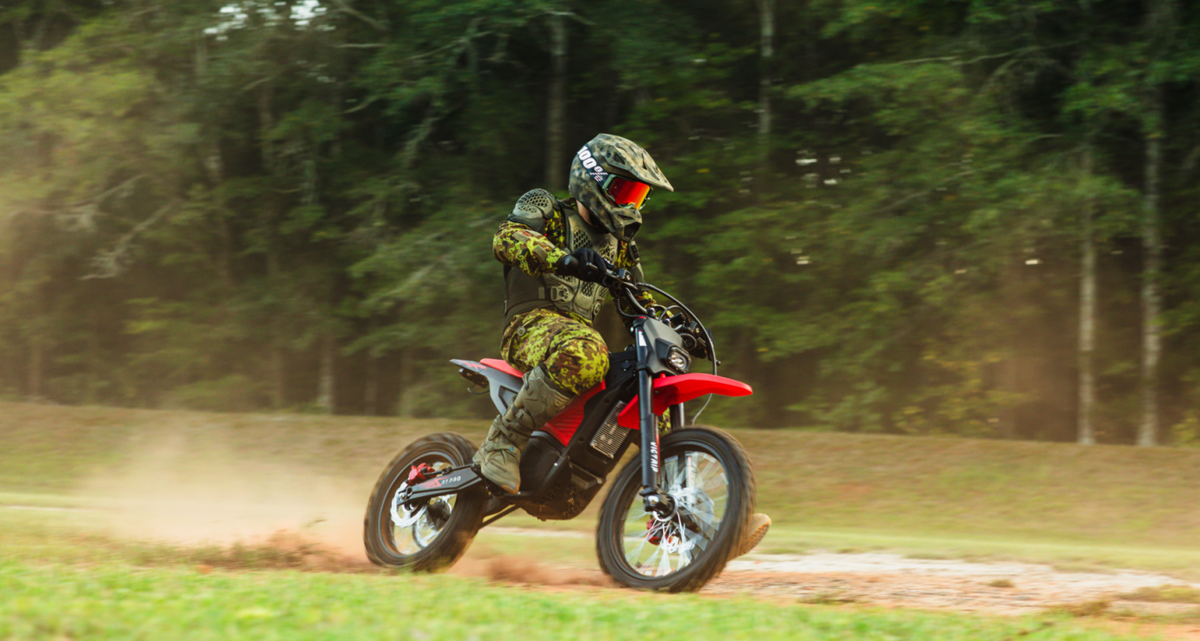
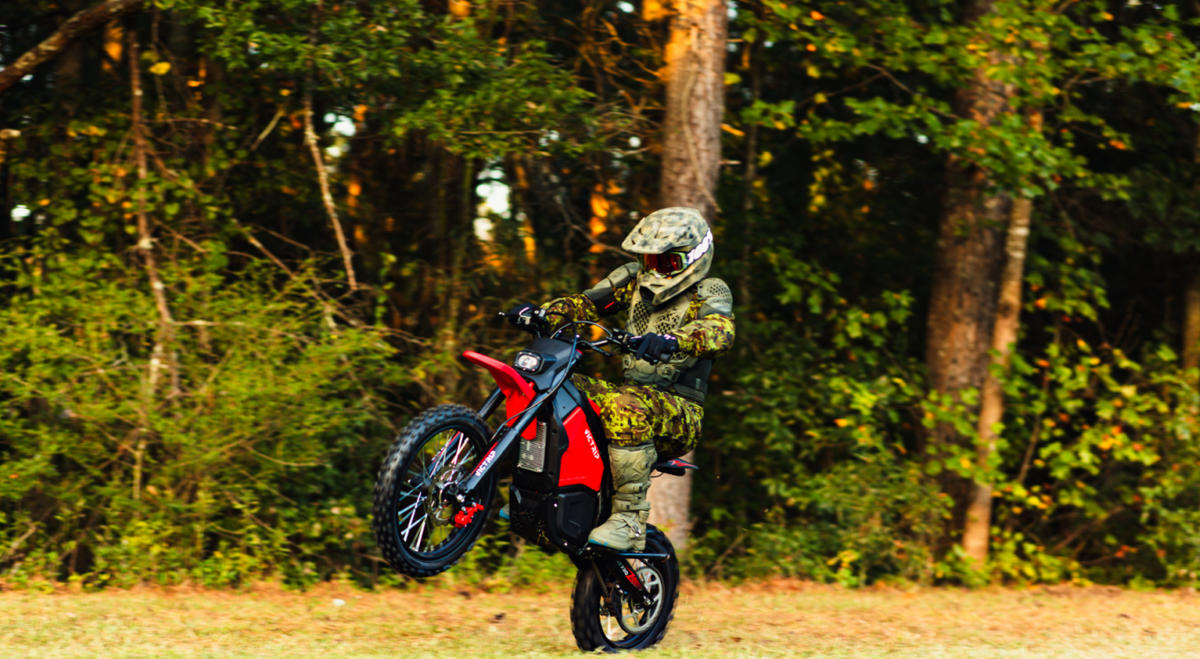
The VICTRIP Mimas Torque Sensor Hunting Ebike fits naturally into the conversation because it reflects what many outdoor riders actually want: smooth assistance, practical handling, and a hunting-friendly ride feel. It is not about stuffing every possible feature into one machine. It is about making the bike useful where it counts.
Why torque sensing helps hunters
A torque sensor can make power delivery feel more intuitive. That matters in hunting terrain because you often want control, not a jerky burst of help. Smooth assist can make climbing, turning, and slow trail riding feel more manageable.
Who it suits best
This kind of bike is a strong fit for riders who care about trail control, quiet travel, and a more natural pedal feel. If your focus is getting to the spot efficiently without overcomplicating the ride, the VICTRIP Mimas Torque Sensor Hunting Ebike belongs on your shortlist.
A practical way to think about it
Instead of asking whether the bike has the longest spec sheet, ask whether it helps you ride better in the exact places you hunt. That mindset leads to a smarter purchase almost every time.
Buying Checklist Before You Decide
Before you make a final choice, use a simple checklist. It will help you cut through the noise and keep your purchase grounded in reality.
Questions to ask before checkout
- What terrain will I ride most often?
- How far do I really need to go?
- Will I carry gear or tow a trailer?
- Do I want smooth torque-based assistance?
- Is the bike easy to maintain?
- Does the frame fit my body well?
Mistakes to avoid
A lot of buyers make the same errors. They overbuy power they do not need. They ignore fit. They forget cargo capacity. They assume range numbers are guaranteed. And they buy for appearance instead of use. That is a costly mistake in a hunting setup.
The simple rule
If a bike solves your terrain, range, comfort, and storage needs, it is a better buy than a flashy model that only looks impressive on paper.
Useful external resource
For general public-land riding and route planning, the Bureau of Land Management OHV recreation page is a helpful place to start. Local rules can vary, so it is smart to check the area you plan to ride.
Conclusion
Learning how to choose the best electric hunting bike for your needs comes down to one thing: matching the bike to the way you actually ride. Terrain, range, control, cargo, comfort, and maintenance all matter. When you put those pieces together, the decision becomes much easier.
The smartest buyers do not chase the loudest claims. They choose a bike that feels steady, fits well, and supports real outdoor use. That is why a thoughtful option like the VICTRIP Mimas Torque Sensor Hunting Ebike can stand out. It fits the practical side of hunting travel without making the buying process more complicated than it needs to be.
Choose for the land, choose for the load, and choose for the ride you truly need. That is how you make a purchase that pays off season after season.
FAQs
1. What makes an electric hunting bike different from a regular e-bike?
An electric hunting bike is designed with rough terrain, gear hauling, and quieter field use in mind. It usually needs better stability, stronger utility features, and a more rugged feel than a basic commuter bike.
2. Is a torque sensor better for hunting?
For many riders, yes. A torque sensor gives smoother, more natural assistance, which can help with control on trails and hills. It is often a strong choice for hunting use.
3. How much range do I need?
That depends on your route, terrain, and cargo. It is best to estimate your longest likely ride, then add a safety buffer. Cold weather and steep climbs can reduce real-world range.
4. Do I need fat tires for a hunting bike?
Not always, but wider tires can improve stability and traction on soft or uneven ground. If you ride mud, sand, snow, or loose gravel, they can be a smart choice.
5. What is the most important feature to look for?
There is no single winner, but terrain fit is usually the most important. After that, focus on range, motor feel, comfort, and cargo handling. The best electric hunting bike for your needs is the one that works in your environment.
Share:
Compact Power: Why Mini Off Road E-Bikes Are Perfect for Outdoor Fun
What Age Is Right for a Off Road Electric Mini Bike?