


Electric dirt bikes are becoming wildly popular among teenagers across the United States and many other countries. They’re quiet, exciting, environmentally friendly, and surprisingly easy to ride. However, one question continues to pop up among parents and young riders alike: Are electric dirt bikes legal for teen riders?
The answer isn’t always straightforward. Laws can vary depending on the state, local government, riding location, bike speed, and even the rider’s age. Some electric dirt bikes are fully legal on private land but prohibited on public streets. Others may require registration, lights, helmets, or even a driver’s license.
Because regulations continue to evolve in 2026, understanding the rules before purchasing a bike is more important than ever. Parents don’t want expensive fines, and teens certainly don’t want their bike confiscated after one weekend ride.
In this complete guide, we’ll break down everything families need to know about electric dirt bike legality, safety requirements, riding laws, and practical tips for young riders.
Understanding Electric Dirt Bikes
Electric dirt bikes are lightweight off-road motorcycles powered by rechargeable batteries instead of gasoline engines. Unlike traditional gas-powered dirt bikes, electric models operate with less noise, lower maintenance, and zero emissions.
Most teen-focused electric dirt bikes include:
- Twist throttles
- Rechargeable lithium batteries
- Adjustable speed settings
- Lightweight frames
- Off-road suspension systems
- Disc brakes
- Knobby tires for dirt trails
Many parents prefer electric dirt bikes because they’re quieter and often easier for beginners to control. In neighborhoods where loud gas bikes might annoy residents, electric models are generally more accepted.
Still, quieter doesn’t always mean legal everywhere.
Some electric dirt bikes are classified similarly to motorcycles because of their speed and power output. Others may fall under e-bike classifications depending on local laws.
That’s why understanding legal categories matters.
Read More: Ebike Classes: The Difference Between Class 1, 2,& 3
Why Teens Love Electric Dirt Bikes
Teen riders are naturally drawn to electric dirt bikes for several reasons.
Instant Torque and Fun Performance
Electric motors deliver immediate acceleration. Riders don’t need to shift gears constantly, making the learning curve much easier.
Quiet Riding Experience
Parents appreciate the reduced noise, while teens enjoy riding without attracting too much attention in legal riding areas.
Lower Maintenance
There’s no oil changing, spark plug replacement, or fuel mixing involved.
Eco-Friendly Appeal
Today’s younger generation cares about sustainability. Electric dirt bikes provide outdoor fun with lower environmental impact.
Technology Integration
Many newer models feature:
- Mobile app controls
- Speed limit settings
- Battery monitoring
- GPS tracking
- Riding modes
These modern features make electric dirt bikes feel futuristic compared to older gas-powered machines.
Are Electric Dirt Bikes Legal for Teen Riders?
The short answer is: Yes, electric dirt bikes can be legal for teen riders — but only under specific conditions.
Legality depends on several factors, including:
| Factor | Legal Impact |
|---|---|
| Rider age | Some states require minimum age limits |
| Bike speed | Higher speeds may classify the bike as a motorcycle |
| Motor power | More powerful bikes often face stricter rules |
| Riding location | Public streets usually have tighter laws |
| Registration status | Some bikes require registration |
| Safety equipment | Helmets may be legally required |
In most areas, electric dirt bikes are completely legal on:
- Private property
- Authorized motocross tracks
- Off-road parks
- Certain designated trails
However, many cities prohibit riding electric dirt bikes on:
- Public sidewalks
- Main roads
- Urban bike lanes
- School zones
- Public parks
This is where many families accidentally get into trouble.
A teenager might assume that because the bike is electric, it’s automatically treated like a standard bicycle. Unfortunately, that’s often not true.
Some high-speed electric dirt bikes can exceed 40 mph or even 60 mph, pushing them into motorcycle territory legally.
Federal vs State Electric Dirt Bike Laws
One of the biggest challenges is that there’s no single nationwide law covering all electric dirt bikes.
Federal Guidelines
Federal law mainly focuses on product safety standards and manufacturing requirements. However, road legality is usually determined by state governments.
State Laws
Every state creates its own regulations regarding:
- Registration
- Licensing
- Helmet use
- Public road access
- Age requirements
- Vehicle classifications
For example:
- Some states allow low-speed electric bikes on roads.
- Others ban all off-road electric dirt bikes from public streets.
- Certain states require motorcycle endorsements for high-powered models.
Parents should always check their local DMV or transportation authority before allowing teens to ride publicly.
Read More: Do You Need a License for a Street Legal Electric Dirt Bike?
Age Restrictions for Teen Riders
Age laws can vary dramatically depending on location and bike classification.
Common Age Categories
| Rider Age | Typical Legal Status |
|---|---|
| Under 12 | Usually limited to private property |
| 13–15 | Often allowed on trails with supervision |
| 16–17 | May qualify for limited road access |
| 18+ | Adult regulations apply |
Some states require adult supervision for minors operating off-road vehicles.
Others mandate completion of safety training programs before teens can legally ride.
Parents should also understand that even if riding itself is legal, unsupervised riding in prohibited areas may still lead to penalties.
License and Registration Requirements
Many parents are surprised to learn that some electric dirt bikes require registration.
When Registration May Be Required
Registration often depends on:
- Top speed
- Motor wattage
- VIN number
- Street-use modifications
Higher-powered electric dirt bikes frequently require:
- License plates
- Insurance
- Motorcycle registration
- Driver’s licenses
Lower-powered off-road-only bikes generally do not require registration if used solely on private property or approved trails.
Street-Legal Conversions
Some riders modify electric dirt bikes to become street legal by adding:
- Mirrors
- Headlights
- Turn signals
- Brake lights
- DOT-approved tires
Even then, laws differ significantly by state.
Where Teens Can Legally Ride Electric Dirt Bikes
Knowing where electric dirt bikes are allowed is just as important as understanding who can ride them.
Legal Riding Areas
Teens can commonly ride in:
- Private land with owner permission
- Off-road parks
- Motocross tracks
- Designated OHV trails
- Certain rural areas
Illegal Riding Areas
Most jurisdictions prohibit riding on:
- Sidewalks
- Busy public streets
- Pedestrian paths
- Shopping centers
- School property
Many cities have increased enforcement due to complaints involving reckless riding and unsafe behavior.
That’s why responsible riding matters more than ever.
Off-Road Trails and Private Property Rules
Off-road trails are usually the safest legal option for teen riders.
Public OHV Parks
OHV stands for Off-Highway Vehicle. Many states operate designated riding parks with:
- Safety patrols
- Marked trails
- Age-based riding zones
- Emergency support
These parks often require permits or daily passes.
Private Property Riding
Private property remains one of the easiest legal options.
However, riders still need:
- Landowner permission
- Safe riding conditions
- Noise compliance in some counties
Even on private land, reckless riding that causes injuries or damages may create legal liability.
Helmet and Safety Gear Laws
Helmet laws are among the most important legal requirements for teen riders.
Common Mandatory Gear
Many states legally require:
- DOT-approved helmets
- Eye protection
- Closed-toe footwear
Some areas also recommend or require:
- Gloves
- Knee guards
- Chest protectors
- Elbow pads
Why Safety Laws Matter
Teen riders face higher accident risks because of:
- Limited experience
- Peer pressure
- Overconfidence
- Faster reaction riding
Parents should never underestimate the importance of protective equipment.
Even low-speed crashes can result in severe injuries.
Speed Limits and Power Restrictions
Electric dirt bikes vary tremendously in speed.
Some beginner models stay below 15 mph, while advanced models can rival motorcycles.
Common Legal Thresholds
| Speed Range | Typical Classification |
|---|---|
| Under 20 mph | Often considered low-speed electric vehicle |
| 20–28 mph | May qualify as Class 3 e-bike |
| Above 28 mph | Frequently treated as motorcycle/off-road vehicle |
Motor wattage also matters.
Bikes exceeding certain wattage limits may automatically fall under motorcycle regulations.
Parents should always review specifications before purchasing.
Electric Dirt Bikes vs Gas Dirt Bikes Legally
Electric dirt bikes and gas dirt bikes share many legal similarities, but electric models sometimes receive slightly more flexibility.
Advantages of Electric Models
- Lower noise complaints
- Reduced emissions
- Easier beginner handling
- Less neighborhood disruption
Similar Legal Concerns
Both still face restrictions regarding:
- Public road use
- Rider age
- Helmet requirements
- Reckless operation
- Trespassing laws
Some cities actually regulate electric dirt bikes more aggressively because their quiet operation can encourage stealth riding in unauthorized areas.
How Parents Can Keep Teen Riders Safe
Safety should always come before performance.
Set Clear Riding Rules
Parents should establish:
- Approved riding locations
- Maximum riding times
- Speed limits
- Curfew rules
Start With Beginner Modes
Many electric dirt bikes include adjustable power settings.
Starting with lower-speed modes helps teens build confidence safely.
Encourage Formal Training
Professional riding courses teach:
- Cornering
- Braking
- Trail awareness
- Emergency control
Monitor Battery Safety
Lithium batteries should always be:
- Charged properly
- Stored safely
- Protected from overheating
Battery misuse can create serious fire risks.
Choosing the Right Electric Dirt Bike for Teens
Not every electric dirt bike is appropriate for teenage riders.
What Parents Should Consider
Rider Height and Weight
A bike that’s too tall or heavy can become dangerous quickly.
Speed Capability
Beginners should avoid ultra-high-speed models.
Battery Range
Longer battery life improves trail riding experiences.
Build Quality
Reliable braking systems and durable frames matter.
One increasingly popular option for teen riders is the VICTRIP R6, which many families appreciate for its balanced combination of comfort, urban styling, and approachable electric performance for newer riders transitioning into the e-bike and light off-road scene.
TOP PICK
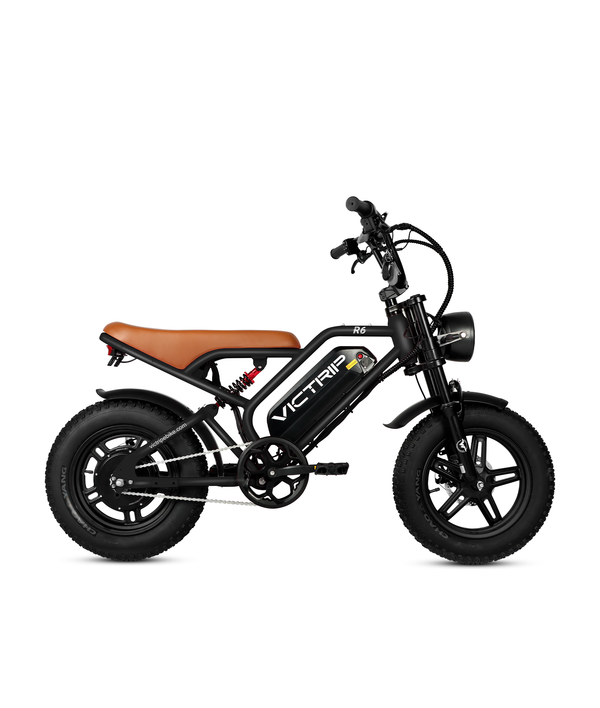
VICTRIP®R6 Moped Ebike for Teens
$799.00
Beginner-Friendly Features
Look for:
- Adjustable speed settings
- Hydraulic brakes
- Stable suspension
- Lightweight construction
- Easy throttle response
Common Mistakes Families Make
Unfortunately, many families unintentionally violate local regulations.
Assuming Electric Means Bicycle
This is perhaps the biggest misconception.
Many electric dirt bikes legally qualify as motor vehicles.
Ignoring Local Ordinances
City-specific rules may prohibit riding even when state laws allow it.
Skipping Protective Gear
Some parents underestimate the risks because electric bikes seem quieter and less intimidating.
Buying Overpowered Models Too Early
High-speed bikes can overwhelm inexperienced riders.
Starting smaller usually leads to safer long-term riding habits.
Future Trends in Electric Dirt Bike Regulations
Electric dirt bikes are rapidly evolving, and governments are trying to keep up.
Expected Regulatory Changes
Experts predict:
- More standardized classifications
- Increased helmet enforcement
- Expanded OHV trail access
- Stricter urban riding penalties
Growing Industry Acceptance
At the same time, electric off-road riding is gaining popularity.
Manufacturers continue improving:
- Battery range
- Safety technology
- Smart speed controls
- Youth-friendly features
As infrastructure develops, more legal riding spaces may emerge for teen riders.
Conclusion
So, are electric dirt bikes legal for teen riders?
Yes — but legality depends heavily on where the bike is ridden, how powerful it is, and local regulations. Parents should never assume that electric automatically means street legal.
Fortunately, with proper supervision, responsible riding habits, quality safety gear, and a clear understanding of local laws, electric dirt bikes can provide teens with an exciting and rewarding outdoor activity.
As electric mobility continues growing in popularity, teen riders and families who stay informed will enjoy safer, more enjoyable riding experiences while avoiding unnecessary legal trouble.
Electric dirt bikes aren’t just a trend anymore — they’re shaping the future of youth motorsports and outdoor recreation.
FAQs
Can a 14-year-old legally ride an electric dirt bike?
Yes, in many areas a 14-year-old can legally ride on private property or designated off-road trails. Public road use may still require permits or restrictions depending on local laws.
Are helmets legally required for teen riders?
In many states, yes. Minors are commonly required to wear DOT-approved helmets while operating electric dirt bikes.
Can electric dirt bikes be ridden on sidewalks?
Generally no. Most cities prohibit electric dirt bikes on sidewalks because they’re considered motorized vehicles.
What happens if a teen rides illegally?
Consequences may include:
- Fines
- Vehicle impoundment
- Warnings
- Liability for damages
- Possible license issues later
Are electric dirt bikes safer than gas dirt bikes?
Electric dirt bikes can be safer for beginners because they’re quieter, smoother, and easier to control. However, speed and rider behavior still play major roles in accident risk.
Can parents modify electric dirt bikes for street legality?
Sometimes. Adding lights, mirrors, signals, and proper registration may allow certain models to qualify for street use depending on state law.
Where can teens practice safely?
The safest locations include:
- Designated OHV parks
- Private land
- Professional motocross tracks
- Approved trail systems
Share:
24V vs 36V Ride-Ons: Speed, Safety, and Skill Level Compared
Best Budget Electric Dirt Bikes for Kids Under $500