


Electric bikes—commonly called eBikes—have taken Europe by storm. From bustling cities like Amsterdam to scenic countryside routes in France, more people are swapping cars and public transport for these efficient machines. But one question keeps popping up: how much does an eBike cost in Europe?
Well, the answer isn’t as straightforward as you might think. Prices vary widely depending on several factors like battery size, motor power, brand, and even the country you’re buying from. That said, understanding the full cost picture can help you make a smarter purchase.
In this guide, we’ll break everything down—from entry-level pricing to hidden costs—so you know exactly what to expect in 2026.
Average eBike Price Range in Europe
Entry-Level eBikes (€600 – €1,200)
If you’re just getting started, entry-level eBikes are your most affordable option. These bikes are perfect for short commutes or occasional leisure rides.
Key features:
- Basic motor (250W)
- Smaller battery (20–40 km range)
- Simple frame design
- Minimal extra features
However, while the upfront cost is attractive, these models may lack durability and long-term performance.
Mid-Range eBikes (€1,200 – €3,000)
This is the sweet spot for most European riders. Mid-range eBikes offer a balance between price and performance.
What you get:
- Better battery life (50–100 km range)
- Improved motor efficiency
- Enhanced comfort and suspension
- More reliable components
For daily commuting, this category offers excellent value.
Premium eBikes (€3,000 – €8,000+)
Premium eBikes are built for enthusiasts and professionals. These bikes often include cutting-edge technology and superior materials.
Highlights:
- Long-range batteries (100+ km)
- High-performance motors
- Lightweight frames (carbon or alloy)
- Smart connectivity features
While expensive, they deliver unmatched performance and durability.
Factors That Affect eBike Prices
Battery Capacity and Type
The battery is the heart of an eBike—and one of the most expensive components. Larger batteries mean longer range but also higher cost.
- Small battery: cheaper but limited range
- Large battery: expensive but ideal for long rides
Lithium-ion batteries dominate the market due to their efficiency and lifespan.
Motor Power
In Europe, most eBikes are limited to 250W motors due to regulations. However, the quality and efficiency of the motor can still impact price significantly.
- Hub motors: cheaper
- Mid-drive motors: more expensive but better performance
Frame and Build Quality
Frame materials can dramatically influence cost:
- Steel: affordable but heavy
- Aluminum: lightweight and common
- Carbon fiber: premium and expensive
Better build quality often means longer lifespan and improved riding comfort.
Brand Reputation
Well-known brands tend to charge more—but you’re often paying for reliability, warranty, and after-sales service.
Lesser-known brands may offer lower prices but could compromise on quality.
VICTRIP eBike Expert Views
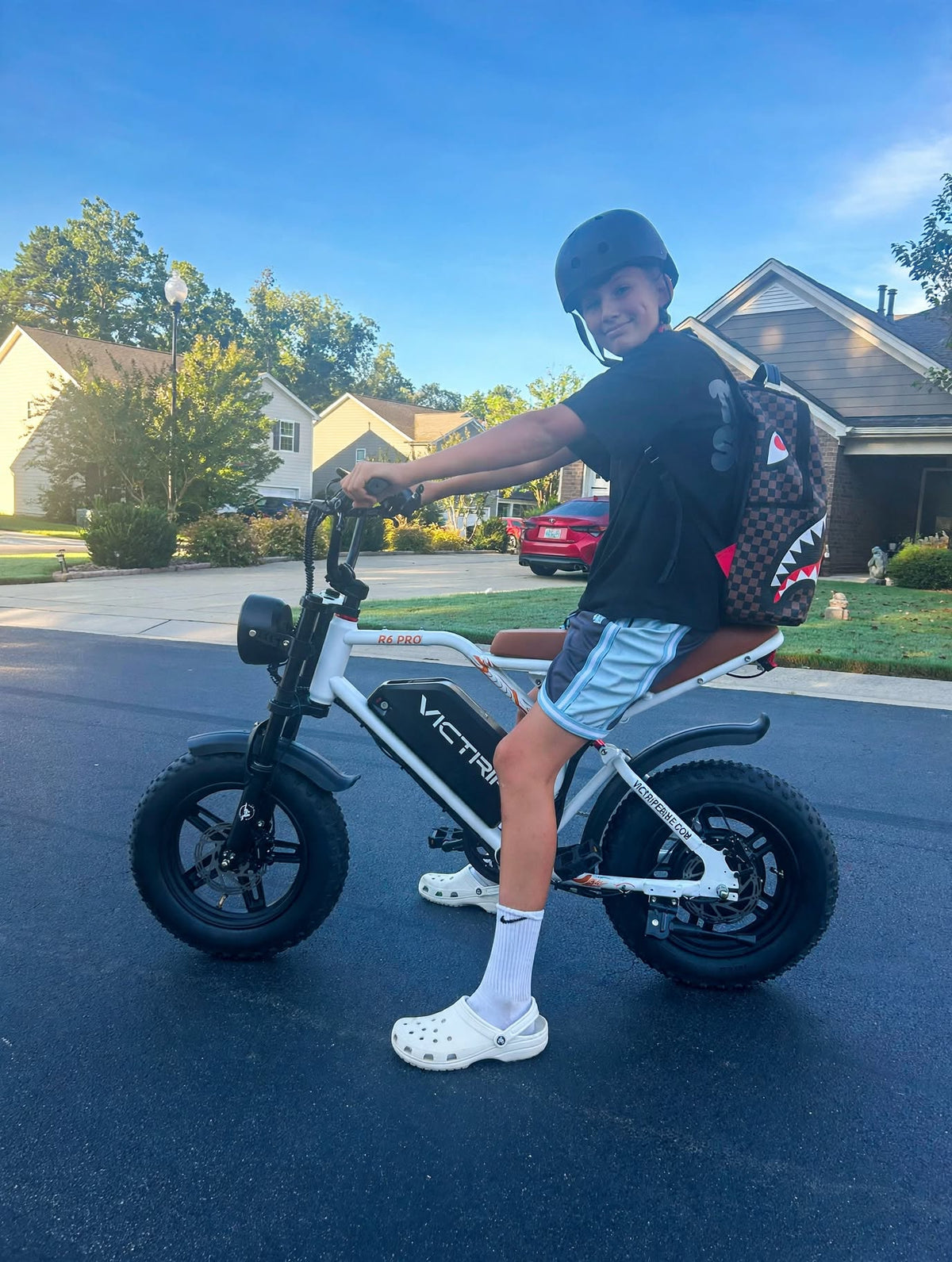
Experts view VICTRIP eBikes, especially the R6 Pro, as a strong value choice in the budget segment. It delivers impressive power, solid range, and reliable LG battery performance at a much lower price than many competitors. While it may lack some premium features, its performance-to-price ratio makes it ideal for beginners and cost-conscious riders.

Cost Differences Across European Countries
Interestingly, eBike prices aren’t uniform across Europe.
Examples:
- Germany: competitive pricing due to high demand
- Netherlands: slightly higher prices but better infrastructure
- France: moderate pricing with government incentives
- UK: prices can be higher due to import costs
Taxes, subsidies, and market demand all influence pricing.
Hidden Costs of Owning an eBike
Maintenance Costs
Like any vehicle, eBikes require regular upkeep.
Typical expenses:
- Brake replacements
- Tire changes
- Chain maintenance
Annual maintenance can range from €100 to €300.
Insurance
In some European countries, insurance is optional but recommended.
Average cost:
- €50 to €200 per year
Insurance covers theft, damage, and liability.
Charging Costs
Charging an eBike is surprisingly cheap.
- Full charge: €0.10 – €0.30
- Monthly cost: €3 – €10
Compared to fuel or public transport, this is incredibly economical.
Government Subsidies and Incentives
Many European governments encourage eBike adoption through subsidies.
Examples:
- France: up to €400 rebate
- Germany: employer-sponsored programs
- Netherlands: tax benefits
These incentives can significantly reduce the initial purchase cost.
Read More: How European Governments Support eBike Purchases Through Incentives?
Comparing eBike Costs vs Traditional Transport
Let’s put things into perspective.
| Transport Type | Monthly Cost |
|---|---|
| Car | €300 – €800 |
| Public Transport | €50 – €150 |
| eBike | €10 – €30 |
Over time, an eBike can save thousands of euros.
Is Buying an eBike Worth It in Europe?
Short answer: yes.
Long answer? It depends on your lifestyle.
If you commute daily, want to reduce carbon emissions, or simply enjoy cycling, an eBike is a fantastic investment. Plus, with rising fuel costs, the savings add up quickly.
Tips to Save Money on eBike Purchases
- Buy during seasonal sales
- Look for government subsidies
- Consider refurbished models
- Compare online and offline prices
- Avoid unnecessary premium features
A little research can save you hundreds of euros.
Best Time to Buy an eBike in Europe
Timing matters more than you think.
Best periods:
- Winter sales (December–February)
- End-of-season clearance (September–October)
Retailers often slash prices to clear inventory.
Online vs In-Store Prices
Buying online can be cheaper, but it comes with risks.
Online advantages:
- Lower prices
- Wider selection
In-store advantages:
- Test rides
- Professional advice
- Immediate support
Ideally, test in-store and buy where you get the best deal.
Future Trends in eBike Pricing
The eBike market is evolving rapidly.
Expected trends:
- Prices may drop as technology improves
- Battery costs will decrease
- More affordable high-performance models
In short, eBikes will become more accessible in the coming years.
Conclusion
So, how much does an eBike cost in Europe? The answer depends on your needs, budget, and expectations. Whether you’re spending €800 or €5,000, there’s an option out there for you.
The key takeaway? Don’t just look at the upfront cost—consider long-term savings, maintenance, and overall value. With the right choice, an eBike isn’t just a purchase—it’s an investment in convenience, sustainability, and freedom.
FAQs
1. How much does an eBike cost in Europe on average?
Most eBikes cost between €1,200 and €3,000, depending on features and quality.
2. Are cheap eBikes worth it?
They can be, but they may lack durability and performance for long-term use.
3. Do eBikes require insurance in Europe?
Not always, but it’s highly recommended for theft and damage protection.
4. How long do eBike batteries last?
Typically 3–5 years or 500–1,000 charge cycles.
5. Can I get subsidies for buying an eBike?
Yes, many European countries offer financial incentives.
Share:
Do You Need Insurance for an eBike in Europe?
EU Legal Folding Electric Bike Guide: Why VICTRIP R5 Pro Stands Out in 2026