

Electric dirt bikes have become one of the fastest-growing segments in off-road riding. With instant torque, low maintenance, quiet operation, and environmentally friendly performance, they are changing how riders experience trails, motocross tracks, and private land adventures.
Whether you're buying your first electric dirt bike or upgrading to a more powerful model, understanding the technology behind these machines will help you make a smarter purchase. Motor output, battery capacity, suspension quality, braking systems, and safety equipment all play important roles in determining how enjoyable—and safe—your riding experience will be.
This comprehensive guide explains everything you need to know before investing in an electric dirt bike.
Why Choose an Electric Dirt Bike?
Traditional gas-powered dirt bikes have dominated off-road riding for decades, but electric models offer several advantages that are attracting both beginners and experienced riders.

Some of the biggest benefits include:
- Instant acceleration with maximum torque from zero RPM
- Lower maintenance costs
- No oil changes or fuel mixing
- Much quieter operation
- Easy starting with the push of a button
- Environmentally friendly with zero exhaust emissions
- Smooth power delivery
Electric bikes are also easier for new riders to control because power delivery is more predictable than many gasoline engines.
Understanding Electric Dirt Bike Motors
The motor is the heart of every electric dirt bike. Its power determines acceleration, climbing ability, and top speed.
Hub Motor vs Mid-Drive Motor
There are two common motor designs.
Hub Motor
Hub motors are built directly into the rear wheel.
Advantages:
- Simpler construction
- Lower maintenance
- Lower purchase price
- Good for recreational riding
Disadvantages:
- Increased unsprung weight
- Less efficient on technical terrain
- Reduced suspension performance
Mid-Drive Motor
Mid-drive motors sit near the center of the bike and transfer power through the drivetrain.
Advantages:
- Better weight distribution
- Improved climbing ability
- Stronger acceleration
- Better suspension response
- Preferred for serious off-road riding
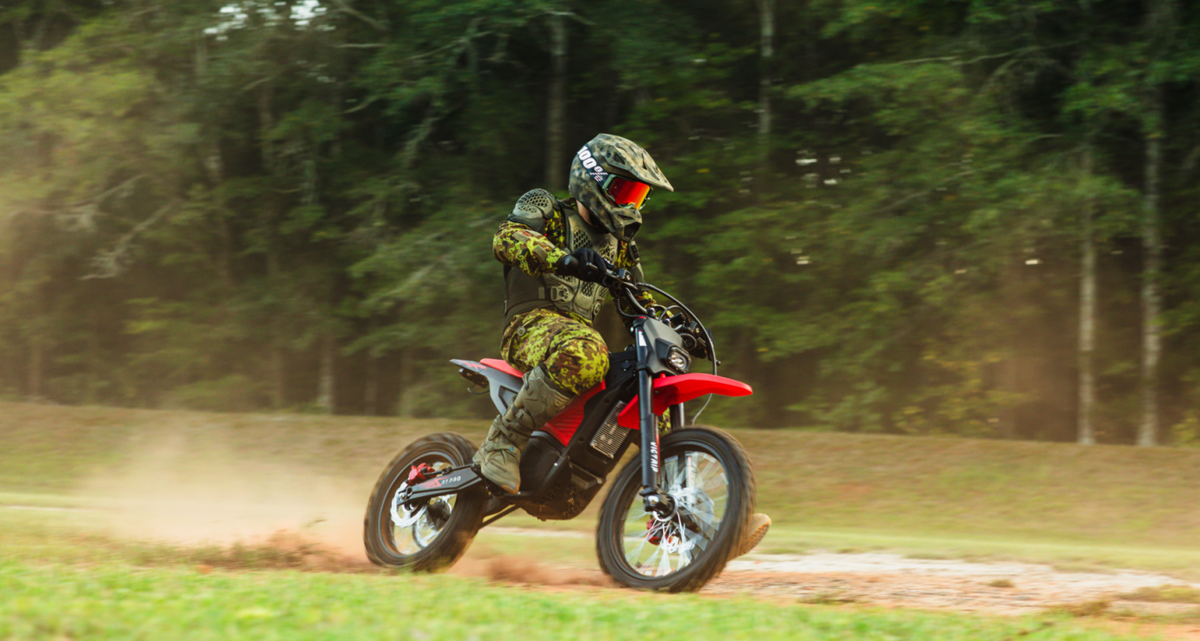
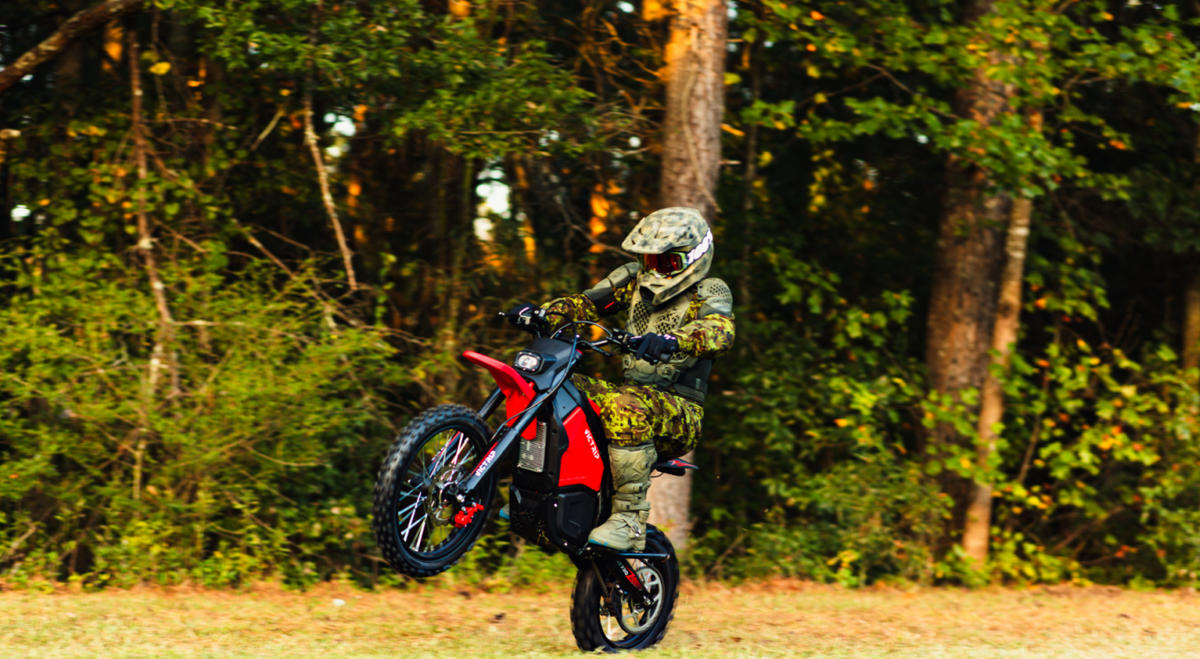
Most high-performance electric dirt bikes now use mid-mounted motors because they provide a riding experience closer to traditional motocross motorcycles. For example, the VICTRIP R7 is designed with a performance-focused mid-drive motor system, delivering a more balanced ride, powerful torque output, and enhanced control on challenging off-road terrain. Its center-mounted motor helps riders maintain stability during climbs, sharp turns, and aggressive trail riding, making it an ideal choice for those seeking a more motorcycle-like electric dirt bike experience.
Motor Power Explained
Manufacturers often advertise several different power numbers.
Understanding them prevents confusion.
Rated Power
This is the continuous power the motor can produce safely.
Example:
- 3000W
- 5000W
Peak Power
Peak power refers to the maximum output available during acceleration.
Examples include:
- 6000W
- 6500W
- 8000W
Higher peak power generally means:
- Faster acceleration
- Better hill climbing
- Improved performance in loose terrain
However, peak power alone doesn't tell the whole story.
Torque Matters More Than Horsepower
Many buyers focus only on top speed.
Experienced riders often pay more attention to torque.
Torque determines:
- How quickly the bike accelerates
- Ability to climb steep hills
- Performance in mud and sand
- Wheel lift during acceleration
A powerful electric dirt bike with high torque can feel significantly faster than another bike with a similar advertised top speed.
Choosing the Right Battery
The battery is the most expensive component on an electric dirt bike.
Its quality directly affects:
- Range
- Charging time
- Performance
- Lifespan
Battery Voltage
Higher voltage allows the motor to produce more power.
Common battery voltages include:
- 36V
- 48V
- 60V
- 72V
Generally speaking:
- 48V suits entry-level riders.
- 60V provides stronger performance.
- 72V is common on high-performance adult electric dirt bikes.
Battery Capacity
Capacity is measured in amp-hours (Ah).
Larger batteries provide longer riding time.
Examples:
- 15Ah
- 20Ah
- 25Ah
- 35Ah
However, capacity alone isn't enough.
A 72V 25Ah battery stores much more energy than a 48V 25Ah battery.
Watt-Hours (Wh)
The most accurate way to compare batteries is by watt-hours.
Formula:
Battery Voltage × Amp Hours = Watt Hours
For example:
- 48V × 20Ah = 960Wh
- 72V × 25Ah = 1800Wh
The higher the Wh rating, the longer the potential riding range.
Battery Type
Nearly all modern electric dirt bikes use lithium-ion batteries.
Premium models often feature cells from trusted manufacturers because they typically offer:
- Longer lifespan
- Better thermal management
- Faster charging
- More consistent performance
- Improved safety
How Much Range Do You Really Need?
Manufacturers often advertise maximum range under ideal conditions.
Real-world range depends on:
- Rider weight
- Terrain
- Tire pressure
- Riding style
- Speed
- Weather
- Elevation changes
Typical estimates:
| Riding Style | Estimated Range |
|---|---|
| Casual trail riding | 40–70 miles |
| Mixed off-road riding | 25–50 miles |
| Aggressive motocross | 15–30 miles |
If you regularly ride long trails, choosing a larger battery is usually worthwhile.
Understanding Top Speed
Speed attracts attention, but it should never be the only factor when buying an electric dirt bike.
General categories include:
| Rider Type | Typical Top Speed |
|---|---|
| Kids | 10–20 mph |
| Teen | 20–35 mph |
| Entry-level adult | 35–45 mph |
| Performance adult | 50–60+ mph |
A bike capable of over 50 mph should be ridden only by experienced riders with proper protective equipment.
Suspension Is More Important Than Many Buyers Realize
A powerful motor means little if the suspension cannot keep the tires planted.
Look for:
- Adjustable front forks
- Rear mono-shock suspension
- Long suspension travel
- High-quality damping
Good suspension improves:
- Comfort
- Cornering
- Jump stability
- Control on rough trails
- Rider confidence
Tire Selection
Different tires perform better in different environments.
Soft Terrain Tires
Ideal for:
- Sand
- Mud
- Loose dirt
Intermediate Tires
Best for:
- Mixed trails
- Forest paths
- General off-road riding
Hard Terrain Tires
Designed for:
- Packed dirt
- Rocky trails
- Gravel
Choosing the correct tire dramatically improves traction.
Braking Systems
As electric dirt bikes become faster, braking quality becomes increasingly important.
Look for:
- Hydraulic disc brakes
- Large brake rotors
- Adjustable brake levers
Hydraulic brakes generally offer:
- Better stopping power
- Improved modulation
- Less maintenance
- Better performance in wet conditions
Frame Construction
A strong frame improves durability while reducing unnecessary weight.
Common materials include:
Steel
Advantages:
- Strong
- Affordable
- Easy to repair
Disadvantages:
- Heavier
Aluminum Alloy
Advantages:
- Lightweight
- Corrosion resistant
- Better handling
Disadvantages:
- Higher cost
Many premium electric dirt bikes use lightweight aluminum alloy frames for improved performance.
Choosing the Right Size
Buying the correct size is just as important as choosing the right motor.
Consider:
- Seat height
- Wheel size
- Rider height
- Rider weight
- Experience level
A bike that is too tall can reduce confidence, especially for beginners.
Essential Safety Features
Safety should always come before speed.
Look for these features:
Adjustable Riding Modes
Many electric dirt bikes include:
- Eco Mode
- Normal Mode
- Sport Mode
Beginners can start with reduced power before progressing.
Battery Protection
Quality battery systems include protection against:
- Overcharging
- Overheating
- Short circuits
- Overcurrent
- Deep discharge
These features help extend battery life while improving rider safety.
Waterproof Rating
If you ride through mud or shallow water, look for good water resistance.
Remember that "water-resistant" does not mean fully waterproof. Avoid submerging the battery or electrical components.
Essential Riding Gear
Even the safest dirt bike requires proper protective equipment.
Always wear:
- DOT-approved helmet
- Goggles
- Gloves
- Chest protector
- Knee guards
- Elbow pads
- Riding boots
- Long sleeves and riding pants
Never ride in shorts or sneakers.
Maintenance Tips
Electric dirt bikes require less maintenance than gas motorcycles, but regular care is still essential.
Routine maintenance includes:
- Checking tire pressure
- Cleaning after muddy rides
- Inspecting brake pads
- Tightening bolts
- Lubricating the chain (if applicable)
- Monitoring battery health
- Storing the battery in a cool, dry place
Keeping the bike clean also makes it easier to spot loose hardware or worn components before they become serious problems.
Choosing the Right Electric Dirt Bike
Before making your purchase, ask yourself:
- What type of terrain will I ride most often?
- Am I a beginner or an experienced rider?
- How much range do I need?
- What is my budget?
- Do I need a bike for recreation, racing, or trail riding?
- Is the suspension suitable for my riding style?
- Are replacement parts readily available?
Answering these questions will narrow your options and help you avoid paying for features you may never use.
For riders seeking a high-performance option, models such as the VICTRIP R7 Pro 6500W Electric Dirt Bike combine a powerful mid-drive motor, a high-capacity battery, hydraulic disc brakes, and long-travel suspension. These characteristics make them well suited for demanding off-road riding while still offering smooth power delivery and responsive handling.
FAQs
How fast can an electric dirt bike go?
Entry-level models typically reach 20–40 mph, while high-performance adult electric dirt bikes can exceed 50 mph depending on motor output, gearing, and local regulations.
How long does an electric dirt bike battery last?
Most lithium-ion batteries last between 800 and 1,500 charge cycles when properly maintained. Lifespan depends on charging habits, storage conditions, and usage.
Are electric dirt bikes suitable for beginners?
Yes. Many models include adjustable riding modes that limit power, making them easier for new riders to learn safely before progressing to higher performance settings.
Can electric dirt bikes be ridden in the rain?
Most electric dirt bikes are designed to handle light rain and wet trails, but they should not be submerged in water. Always check the manufacturer's water-resistance rating and follow maintenance recommendations after riding in wet conditions.
Do electric dirt bikes require much maintenance?
Compared with gas-powered bikes, maintenance is relatively simple. There are no oil changes, spark plugs, or fuel systems to service. Regular inspections of brakes, tires, suspension, drivetrain components, and battery condition are usually sufficient.
Final Thoughts
An electric dirt bike is much more than a fast off-road machine. The best model is one that matches your riding style, experience level, and terrain while offering the right balance of power, range, handling, and safety.
Instead of focusing solely on top speed, evaluate the complete package—including motor type, battery capacity, suspension quality, braking performance, and protective features. By understanding these core components, you'll be better equipped to choose a bike that delivers dependable performance and enjoyable riding for years to come.
We recommend for you:
- What Makes an Electric Bike Truly “All Terrain”?
- Kids Mini Electric Bike Speed Guide: What’s Safe?
- Best Electric Pit Bikes for Beginners: Affordable & Powerful Picks
- Electric Bikes for Young Riders: The Ultimate Guide to Choosing the Right Model
- Safe and Fun Outdoor Riding with Moped Style Electric Bikes
Share:
Why Electric Dirt Bikes Are the Hottest Outdoor Toy for Kids
From Screens to Streets: How Electric Bikes Get Kids Moving Again