


I'll never forget the first time I twisted the throttle on a real electric dirt bike. Zero noise. Instant pull. It caught me completely off guard—and I've been riding gas-powered trail bikes for over a decade.
Let's be real: electric dirt bikes aren't just glorified toys for kids anymore.
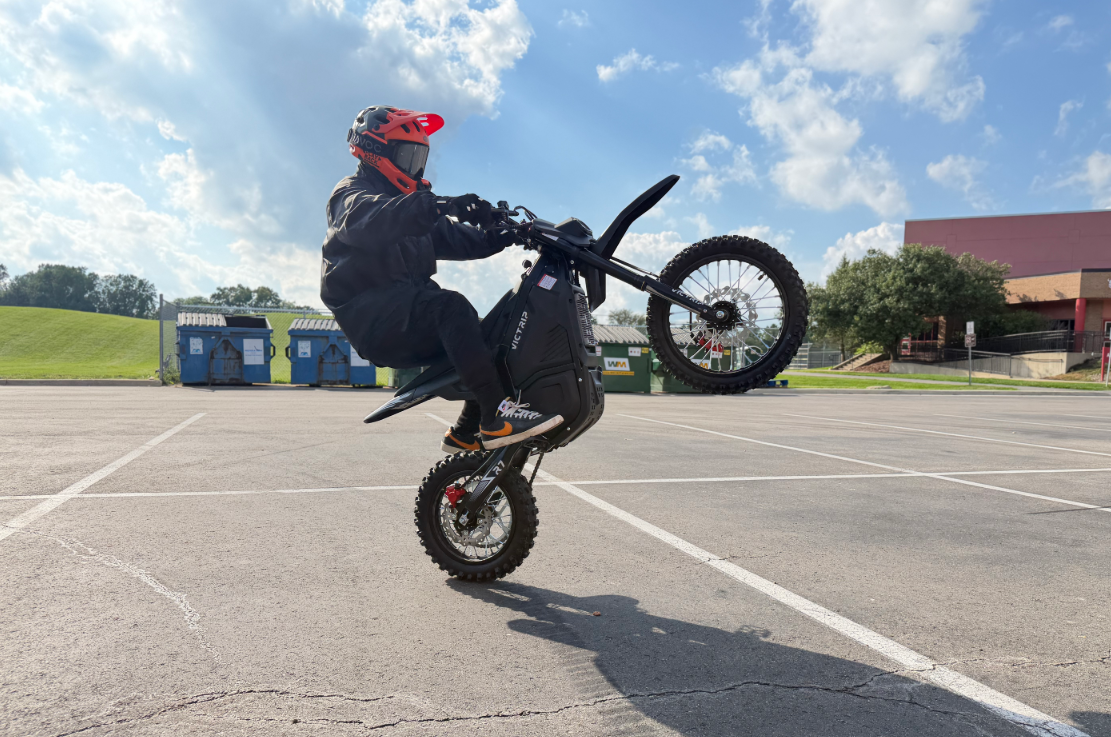
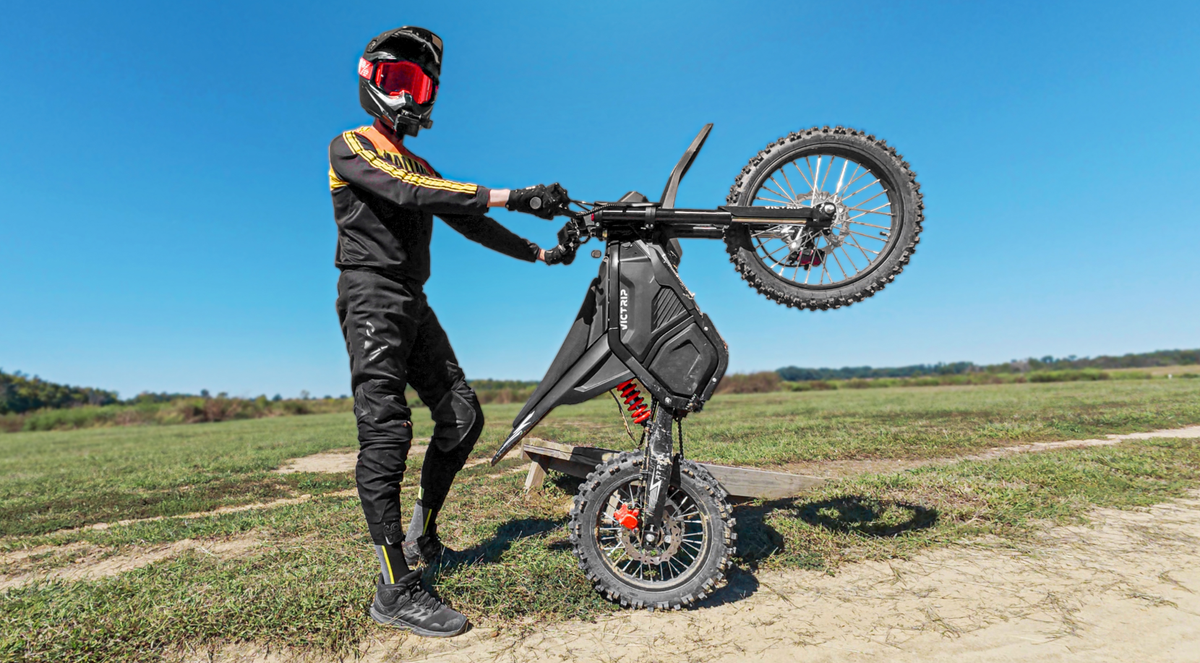
Sure, you can still buy tiny 250W models for young beginners. But the market has exploded. Today, we're testing mid-sized trail destroyers and high-voltage, 10kW+ off-road monsters that will easily pull the front wheel up in third gear (if they even had gears, that is).
Still, ditching gas isn't a silver bullet for everyone.
An electric rig is an awesome investment if you hate wrenching on engines, love instant torque, and need to keep things quiet around neighbors. But here’s the catch: if you're planning all-day epics out in the deep backcountry miles away from an outlet, a gas tank still wins.
It all boils down to how—and where—you actually ride. A bike that destroys a 45-minute backyard track session might completely leave you stranded on a mountain loop.
What Actually Changes When You Ditch Gas?
No gas means no combustion. Simple.
Instead, you get a high-discharge lithium battery pack hooked up to an electric motor. You twist the grip, and bang—power goes straight to the rear wheel. No clutch lever to feather on most models. No gears to click through. No idling in the staging area to warm up the engine while your buddies wait on you.
That stripped-down setup completely changes the vibe on the trail.
The power is right there the millisecond you touch the grip. It feels lively. Snappy. And quiet.
Honestly, the lack of engine roar is weird at first. You hear the chain slap, the tires tearing through dirt, and your own breathing. That silence is a massive game-changer if you’re riding private property or trails near residential spots where loud exhausts get tracks shut down.
Does "electric" mean zero maintenance? Absolutely not.
Tires still shred. Brakes wear out. Chains stretch and rust. Suspension needs tuning and bleeding. You’re simply swapping engine headaches for basic chassis care.
The Stuff I Actually Love About Electric
1. Goodbye, Garage Wrenching
I love riding. I don't always love spending my Friday nights cleaning carburetors or changing pitch-black engine oil.
Gas bikes are high-maintenance dates. You're constantly checking spark plugs, washing oily air filters, tuning jetting for elevation, and mixing two-stroke fuel.
Electric bikes skip all of that. No oil filters. No top-end rebuilds after 50 hours of hard riding. You basically just charge the pack, check your tire pressure, lube the chain, and hit the dirt. For anyone short on free time, that's huge.
2. Sneaky-Quiet Operation
Noise gets riding spots killed. Period.
An electric motor barely makes a whine. You can ride early in the morning without waking up the entire valley, and you can actually hear what your riding buddies are yelling behind you.
Just keep one thing in mind—quiet doesn't automatically mean legal. Land managers can still ban motorized bikes on pedal-only trails regardless of how quiet your motor is. Always double-check local trail rules before unloading your truck.
3. Instant Torque on Demand
Electric motors spit out maximum torque from 0 RPM.
Need to pop the front wheel over a fallen log from a dead stop? Easy. Trying to launch up a short, punchy hill climb? Twist and go.
However, don't buy a bike based purely on its advertised peak wattage. A 12,000-watt peak rating sounds impressive on paper, but if the controller mapping is jerky or the frame geometry is trash, that power is useless on loose singletrack.
4. No More Gas Cans
Plugging a charger into a wall socket at home beats driving to the gas station with jerry cans every weekend. Plus, electricity is generally way cheaper per mile than race fuel or high-octane premium gas.
The trade-off? You can’t just pour five liters of power into the tank out of a plastic bottle when the battery hits 5%. You have to plan ahead.
The Real Downside (That Brands Hide in the Fine Print)
1. They Aren't Cheap
A truly capable, trail-ready electric dirt bike will hurt your wallet. High-performance models often cost just as much as—or more than—a brand-new Japanese 250cc or 450cc gas bike.
And don't forget the hidden costs. You still need a solid helmet, boots, chest protection, spare brake pads, and maybe a second battery pack down the line (which can easily cost $1,000+ on its own).
2. "Real-World Range" Is Usually a Lie
Manufacturers love putting numbers like "Up to 60 miles!" on their marketing materials.
Take that with a grain of salt.
Range claims are usually measured with a 130-pound rider cruising on flat pavement at 15 mph in eco-mode. Put a 200-pound adult on the bike, throw in deep sand, steep climbs, mud, and hard throttle pulls, and that "60-mile" range will instantly shrink to 18 miles.
Always leave yourself a 20% battery safety margin. Pushing a 150-pound dead electric bike up a rocky hill is zero fun. Trust me.
3. Charging Takes Time
Refueling gas takes two minutes. Charging a depleted lithium pack takes hours.
If you ride short 1-to-2-hour laps around a local track or private yard, this isn't an issue. You ride, plug it in, go grab lunch, and it's ready again.
But for full-day mountain rides? It’s a dealbreaker unless you carry a generator in your truck or pack a super heavy spare battery in a backpack.
4. Electrical Gremlins Require Specialists
A mechanical fix on a gas bike is straightforward—if it’s not getting spark or fuel, you fix the plug or the carb.
When an electric bike shuts down suddenly, it’s usually a sensor, a thermal cutoff in the Battery Management System (BMS), a blown controller, or a loose wiring harness. Diagnosing electrical gremlins requires a multimeter, specific software, or good customer support from the manufacturer.
Electric vs. Gas: The Raw Breakdown
| Feature | Electric Dirt Bike | Gas Dirt Bike |
| Noise Level | Whisper quiet (just motor whine & chain slap) | Loud exhaust roar |
| Routine Maintenance | Brakes, tires, chain, and suspension only | Oil changes, air filters, top-ends, clutch |
| Refueling Time | 2 to 6 hours on a charger | 2 minutes at a gas pump |
| Power Feel | Instant, smooth torque right off the bottom | Requires gear shifting and keeping RPMs in the powerband |
| Long-Distance Trail Rides | Requires strict battery management | Easy (just strap a small fuel bottle to your pack) |
| Running Costs | Cheap charging; high upfront battery replacement | Constant fuel, oil, and engine rebuild costs |
How Much Does It Really Cost to Own One?
Don't just look at the sticker price. Here’s what my real-world spending breakdown looks like over a couple of seasons:
-
Initial Outlay: You get what you pay for. Super cheap bikes usually come with dangerous bicycle-grade brakes and flexy forks.
-
Charging: Barely bumps my monthly power bill. Pennies per charge.
-
Wear & Tear Parts: You will eat through rear tires and brake pads faster than you think because of the heavy low-end torque and regenerative braking setups.
-
Battery Degredation: Lithium batteries lose capacity over time (usually after 500–800 full charge cycles). Replacing a pack down the road is a major expense you need to budget for.
Which One Fits Your Style?
Beginners & Casual Riders
Electric is amazing here. Without a manual clutch or gear shifter to worry about, you can focus 100% on body position, line choice, and braking. It cuts the learning curve in half.
Trail Shredders
If your typical ride is a quick 15-mile blast through local woods after work, electric is a match made in heaven. Fast, clean, quiet.
TOP PICK

VICTRIP®R7 Electric Mini Bike Motorcycle
$1299.00
Hard Enduro & High-Power Seekers
Advanced riders will love the instant torque for launching over obstacles. Just make sure you look closely at the suspension components and frame durability—not just the peak motor power. A powerful motor on a flimsy frame is a recipe for a bad crash.
Parents Buying for Kids
Electric bikes are fantastic for kids. You can electronically limit the top speed via a phone app while they learn. Plus, neighbors won't complain about them riding in the yard all afternoon.
Checklist Before You Hit "Buy"
Before pulling out your credit card, ask the seller these exact questions:
-
What is the REAL off-road range with a rider of my weight on actual trails?
-
Is the battery easily removable, or do I have to drag the entire bike next to an outlet?
-
Are the brakes bicycle-standard or dirt-bike-standard? (Bicycle brakes on a heavy e-dirt bike fade dangerously fast).
-
How long is the BMS and battery warranty, and where do I source replacement parts when something breaks?
-
Is this legal on my local public land?
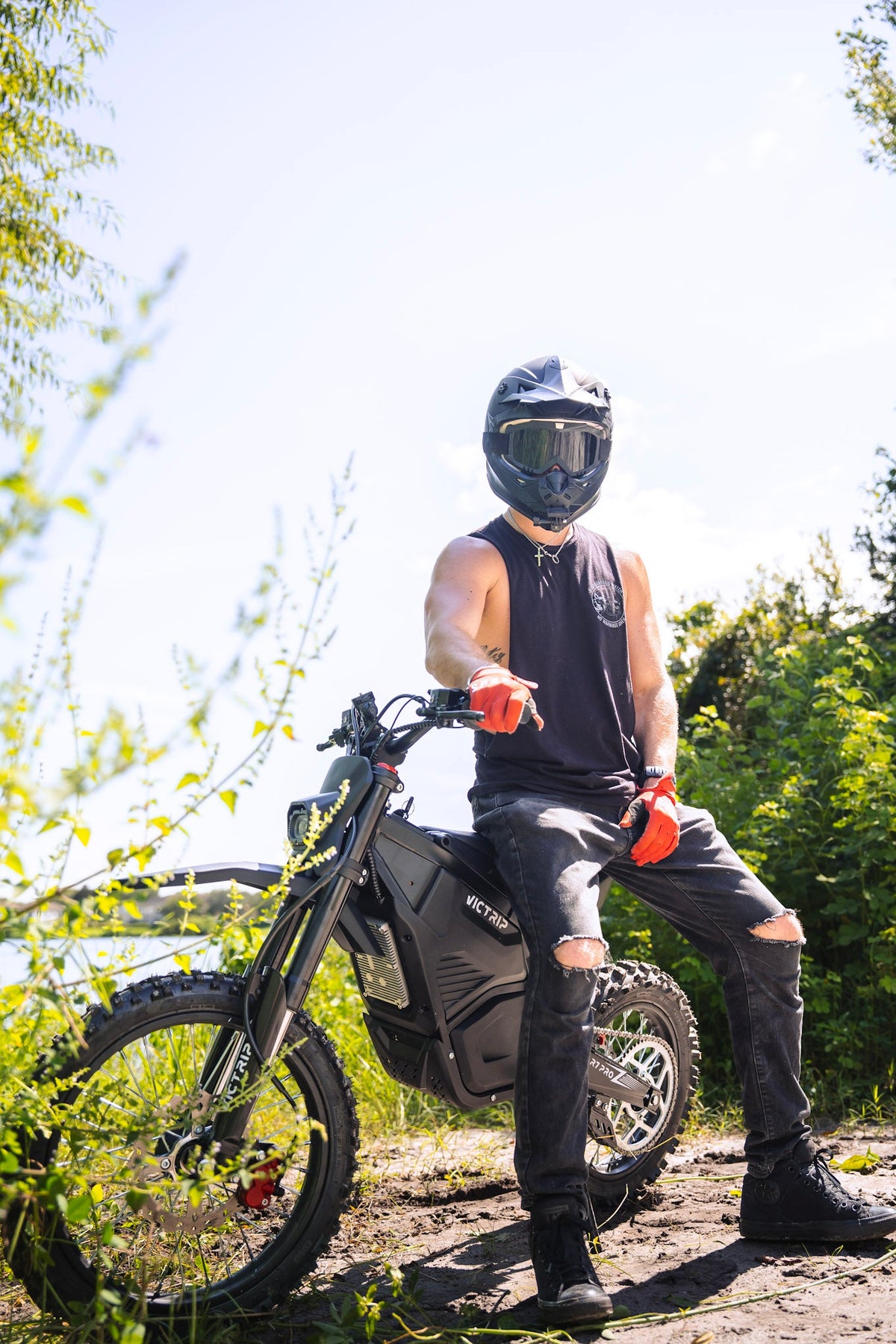
If you're currently browsing around for versatile electric off-road options, checking out the VICTRIP electric dirt bike range is a good starting point to compare frame sizes, battery capacities, and motor power outputs against your personal riding needs.
FAQs
Are electric dirt bikes powerful enough for grown adults?
Yes. Modern mid-to-high-tier electric dirt bikes throw down more instant torque than most 250cc gas bikes. They will pull an adult up steep trails without breaking a sweat.
How long does the battery actually last during a ride?
If you're pinned wide-open in deep sand, maybe 45 to 60 minutes. If you're casually cruising flowy singletrack at moderate speeds, you can easily stretch it to 2 or 3 hours.
Can I ride an electric dirt bike on the street?
Not out of the box in most places. Unless it has turn signals, a headlight, a horn, a license plate bracket, and a valid VIN for registration, keep it off public roads.
Final Verdict: Is It Worth It?
For me? Yes.
If you have a place to charge, love low-maintenance gear, and ride short-to-medium trail loops, an electric dirt bike is some of the most fun you can have on two wheels.
Just be honest with yourself about your riding habits. If you need 8 hours of uninterrupted backcountry range, stick to gas for a little longer. Otherwise, welcome to the quiet revolution.
Share:
Compact Electric Dirt Bike vs. Full-Size Dirt Bike: Which Is Right for You?
Compact Electric Dirt Bike vs. Full-Size Dirt Bike: Which Is Right for You?