

One of the most common questions asked by riders is: How long does an eBike battery last in the UK climate? Whether you're commuting through London, exploring the countryside, or using an electric bike for daily errands, understanding battery lifespan is essential.
The UK's weather is unique. Riders experience cool winters, wet autumns, mild springs, and occasional summer heatwaves. These varying conditions can affect battery performance, charging efficiency, and long-term durability.

Fortunately, modern lithium-ion technology has made today's eBike batteries more reliable than ever. With proper care, many riders enjoy years of dependable performance before needing a replacement.
This guide explores everything you need to know about how long does an eBike battery last in the UK climate, including lifespan expectations, weather effects, maintenance practices, replacement costs, and expert tips to maximize performance.
Understanding eBike Battery Basics
Before discussing lifespan, it's important to understand how an eBike battery works.
What Is an eBike Battery Made Of?
Most modern electric bikes use lithium-ion batteries. These batteries are popular because they offer:
- High energy density
- Lightweight construction
- Long cycle life
- Fast charging capabilities
- Low maintenance requirements
Unlike older lead-acid batteries, lithium-ion systems provide more power while remaining compact and efficient.
Common Battery Types Used Today
Several battery configurations are commonly found on electric bikes:
| Battery Type | Advantages | Typical Use |
|---|---|---|
| Lithium-Ion | Long lifespan, lightweight | Most modern eBikes |
| Lithium Polymer | Compact design | Premium models |
| Integrated Frame Battery | Better aesthetics | Urban and commuter bikes |
| External Battery | Easy replacement | Adventure and cargo bikes |
The majority of UK riders rely on lithium-ion batteries because they deliver the best balance of performance and longevity.
Average eBike Battery Lifespan in the UK
Typical Charge Cycle Expectations
Manufacturers generally rate batteries by charge cycles.
A charge cycle means using and recharging the equivalent of 100% battery capacity.
Most quality eBike batteries last:
- 500–1,000 full charge cycles
- 3–7 years of regular use
- Thousands of riding miles
A commuter riding five days per week may achieve five years or more from a well-maintained battery.
Mileage Expectations Per Battery
Mileage varies depending on:
- Rider weight
- Terrain
- Assist level
- Weather
- Tire pressure
Typical battery lifespan may deliver:
| Usage Level | Expected Lifetime Mileage |
|---|---|
| Light Use | 15,000–25,000 miles |
| Moderate Use | 10,000–20,000 miles |
| Heavy Use | 8,000–15,000 miles |
Therefore, when asking how long does an eBike battery last in the UK climate, the answer is often between three and seven years under normal conditions.
How the UK Climate Affects Battery Performance
The UK's weather has a noticeable impact on battery efficiency.
Cold Winter Conditions
Cold temperatures are one of the biggest challenges for lithium-ion batteries.
When temperatures drop below 5°C:
- Chemical reactions slow down
- Available capacity temporarily decreases
- Range may drop by 10–30%
- Charging becomes less efficient
Fortunately, this reduction is usually temporary.
Once the battery warms up, performance often returns to normal.
Rain and Humidity
The UK is famous for frequent rainfall.
Most modern eBike batteries feature weather-resistant designs. However, prolonged exposure to moisture can still create problems.
Good practices include:
- Drying the bike after wet rides
- Storing indoors when possible
- Avoiding pressure washing battery compartments
Water-resistant does not mean waterproof.
Summer Temperatures
While UK summers are generally mild, occasional heatwaves can affect batteries.
High temperatures above 30°C may:
- Accelerate cell degradation
- Reduce lifespan
- Increase charging stress
Whenever possible, avoid leaving your eBike in direct sunlight for extended periods.
Key Factors That Determine Battery Longevity
Several factors influence how long does an eBike battery last in the UK climate.
Riding Habits
Aggressive riding places greater demand on the battery.
Frequent:
- Maximum assist mode usage
- High-speed acceleration
- Steep hill climbing
can increase battery wear.
Using moderate assistance levels often extends battery life significantly.
Charging Practices
Charging habits have a major influence on longevity.
Recommended practices include:
- Keeping charge levels between 20% and 80%
- Avoiding complete discharge
- Using manufacturer-approved chargers
- Disconnecting after charging completes
Consistent charging discipline can add years to battery life.
Storage Conditions
Storage plays a critical role.
Ideal storage conditions include:
| Factor | Recommendation |
|---|---|
| Temperature | 10°C–20°C |
| Charge Level | 40–60% |
| Humidity | Low |
| Location | Dry indoor area |
Improper storage is one of the leading causes of premature battery failure.
Signs Your eBike Battery Is Aging
Every battery eventually experiences wear.
Recognizing the warning signs helps riders plan ahead.
Reduced Range
The most obvious indicator is reduced riding distance.
If your battery previously delivered:
- 50 miles per charge
but now delivers:
- 35 miles under similar conditions
aging may be occurring.
Longer Charging Times
An older battery may require more time to reach full charge.
Charging irregularities often indicate declining cell health.
Voltage Drops
Other symptoms include:
- Sudden power loss
- Unexpected shutdowns
- Inconsistent assist levels
Professional battery diagnostics can confirm whether replacement is necessary.
How to Extend eBike Battery Life
Fortunately, there are many ways to maximize battery longevity.
Smart Charging Tips
Follow these best practices:
- Avoid overnight charging whenever possible.
- Use original chargers.
- Keep battery temperature moderate.
- Recharge before reaching 0%.
Small habits create significant long-term benefits.
Proper Storage Methods
If storing your eBike for winter:
- Charge battery to approximately 50%
- Remove from bike if recommended
- Store indoors
- Check charge monthly
This prevents deep discharge damage.
Regular Maintenance
Routine maintenance should include:
- Cleaning contacts
- Inspecting connectors
- Updating firmware when available
- Monitoring battery health
Preventive care helps maintain optimal performance.
Choosing a High-Quality eBike Battery
Not all batteries are created equal.
Battery Capacity Considerations
Battery capacity is measured in watt-hours (Wh).
Common sizes include:
| Capacity | Typical Range |
|---|---|
| 360Wh | 20–40 miles |
| 480Wh | 30–60 miles |
| 720Wh | 45–90 miles |
| 960Wh | 60–120 miles |
Higher-capacity batteries often experience fewer charge cycles annually because they require less frequent charging.
Reliable Brand Support
Choosing a reputable manufacturer ensures:
- Better battery management systems
- Warranty coverage
- Replacement availability
- Technical support
Quality engineering contributes significantly to battery lifespan.
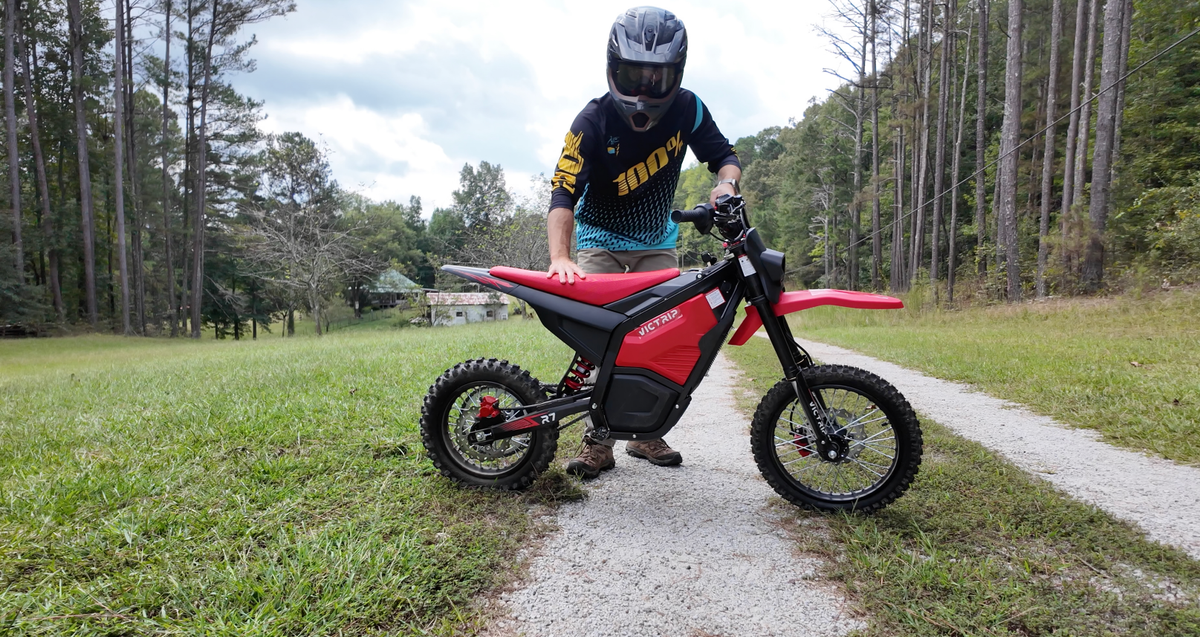
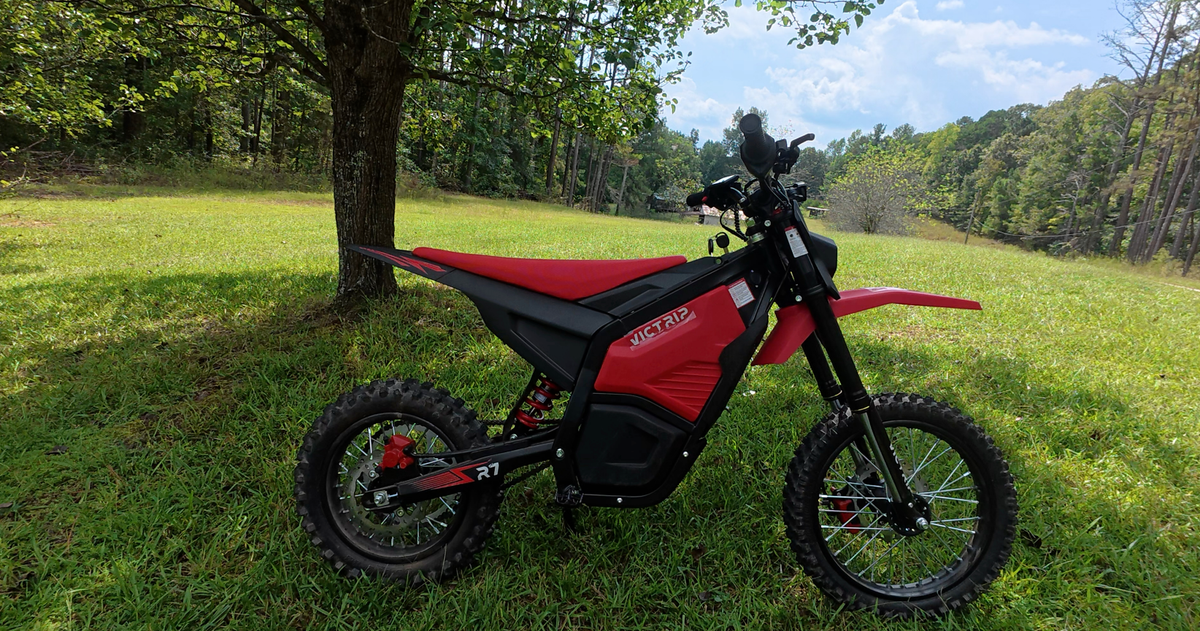
VICTRIP eBike Models and Battery Performance
For riders seeking dependable performance in British weather, the VICTRIP range offers practical solutions.
Popular models feature:
- High-capacity lithium batteries
- Efficient battery management systems
- Long-range capabilities
- Durable weather-resistant construction
Many riders appreciate the balance between power, comfort, and reliability.
For additional information about electric bike technology and safety, visit the official UK cycling guidance provided by the UK Government.
When properly maintained, high-quality eBike batteries can deliver years of reliable service across varying UK weather conditions.
Cost of Replacing an eBike Battery in the UK
Eventually, every battery reaches the end of its useful life.
Replacement costs vary based on:
- Capacity
- Brand
- Cell quality
- Integrated design
Typical UK replacement prices include:
| Battery Capacity | Average Cost |
|---|---|
| 360Wh | £250–£400 |
| 500Wh | £350–£600 |
| 750Wh | £500–£900 |
| 1000Wh+ | £700–£1,200 |
While replacement can seem expensive, spreading the cost across several years often makes it highly economical compared to fuel-powered transportation.
Environmental Benefits of Long-Lasting Batteries
Battery longevity benefits both riders and the environment.
Long-lasting batteries help:
- Reduce waste
- Lower manufacturing demand
- Decrease resource consumption
- Improve sustainability
Electric bikes already produce significantly lower emissions than many motor vehicles.
Extending battery lifespan further improves their environmental advantages.
As battery recycling programs continue expanding throughout the UK, sustainability continues to improve across the industry.
Frequently Asked Questions
1. How long does an eBike battery last in the UK climate?
Most quality lithium-ion batteries last between 3 and 7 years or approximately 500–1,000 charge cycles when properly maintained.
2. Does cold weather permanently damage an eBike battery?
Not usually. Cold temperatures temporarily reduce performance and range but generally do not cause permanent damage when batteries are stored and charged correctly.
3. Can I ride my eBike in the rain?
Yes. Most modern eBikes are designed for rainy conditions. However, riders should avoid submerging batteries and should dry the bike after wet rides.
4. Should I charge my battery after every ride?
It depends on usage. Frequent partial charging is often healthier than repeatedly draining the battery completely.
5. How can I make my battery last longer?
Store it indoors, avoid extreme temperatures, maintain charge levels between 20% and 80%, and use the original charger.
6. Is it expensive to replace an eBike battery?
Replacement costs typically range from £250 to £1,200 depending on battery size and manufacturer.
7. Do larger batteries last longer?
Larger batteries don't necessarily last more years, but they often require fewer charging cycles, which can help extend their useful lifespan.
8. What is the ideal storage charge level?
Experts generally recommend storing lithium-ion batteries at approximately 40–60% charge for long-term storage.
Conclusion
So, how long does an eBike battery last in the UK climate? In most cases, riders can expect between three and seven years of dependable service from a quality lithium-ion battery. Factors such as charging habits, storage conditions, riding style, and weather exposure all influence overall longevity.
The UK's cool temperatures and rainy conditions can affect short-term performance, but modern battery technology is designed to handle these challenges effectively. By following smart maintenance practices, riders can maximize range, improve efficiency, and delay costly replacements.
As electric bikes continue gaining popularity across Britain, understanding battery care becomes increasingly important. With proper attention and routine maintenance, your eBike battery can remain reliable for thousands of miles and many years of enjoyable riding.
Share:
Best eBikes for Riders Under 5'5" in the UK