


Folding electric bikes are no longer a niche product in Europe. In fact, folding electric bikes are booming in Italy and Spain at an unprecedented pace. From the narrow streets of Rome to the vibrant avenues of Barcelona, commuters are embracing compact electric mobility like never before.
But why now?
Southern Europe has always loved two-wheel transport. However, rising fuel costs, environmental awareness, urban congestion, and improved infrastructure have accelerated demand. Folding electric bikes combine portability, affordability, and sustainability into one practical solution.
Let’s explore the powerful reasons behind this transformation.
The Rise of Folding Electric Bikes in Italy
Urban Density and Compact Living
Italian cities weren’t designed for cars. Historic centers in Florence and Naples feature narrow streets and limited parking. Residents often live in apartments without garages.
That’s where folding electric bikes shine.
They can:
-
Fold within seconds
-
Fit into elevators
-
Be stored under desks
-
Avoid parking fees
For commuters in dense metropolitan areas like Milan, compactness isn’t a luxury—it’s essential.
Government Incentives and Green Policies
Italy has introduced multiple eco-bonus programs encouraging citizens to purchase electric mobility solutions. These subsidies reduce upfront costs, making folding electric bikes financially attractive.
In addition:
-
Low-emission zones limit car access.
-
Urban sustainability plans prioritize micro-mobility.
-
Public transportation integrates bike-friendly policies.
The Italian government’s environmental push aligns perfectly with folding electric bikes’ zero-emission design.
Read More: How European Governments Support eBike Purchases Through Incentives?
Spain’s Rapid Adoption of Folding Electric Bikes
Climate and Year-Round Riding Conditions
Spain’s Mediterranean climate makes it ideal for cycling. Cities like Valencia enjoy over 300 days of sunshine annually.
Mild winters and dry summers encourage daily commuting via folding electric bikes. Unlike northern European countries, riders in Spain face fewer weather barriers.
Tourism and Micro-Mobility Trends
Tourism plays a major role. Visitors in Madrid increasingly prefer flexible transportation.
Hotels now:
-
Offer bike storage
-
Partner with rental services
-
Promote sustainable travel
Folding electric bikes are easy to transport on trains, buses, and even boats—perfect for tourists exploring coastal towns.
Economic Drivers Behind the Boom
Fuel Prices and Inflation
Fuel prices across Europe have fluctuated sharply. In both Italy and Spain, petrol costs have risen significantly in recent years.
Here’s a simple comparison:
| Transportation Mode | Average Monthly Cost (€) |
|---|---|
| Car (fuel + parking) | 250–450 |
| Public Transport | 40–70 |
| Folding Electric Bike | 10–20 (electric charging) |
Charging a folding electric bike costs only a few cents per ride. Over time, savings are substantial.
Cost Efficiency Over Time
Although the initial purchase price may seem high, total cost of ownership is dramatically lower compared to cars.
Add to that:
-
Minimal maintenance
-
No insurance requirements (in most cases)
-
No fuel dependency
Financially speaking, it’s a no-brainer.
Infrastructure Development in Major Cities
Milan, Rome, Barcelona, and Madrid
Urban planning has shifted dramatically.
-
Milan has expanded protected bike lanes.
-
Rome has introduced new cycling corridors.
-
Barcelona continues to grow its cycling network.
-
Madrid invests heavily in sustainable transport.
Improved infrastructure boosts rider confidence and safety.
When cities build lanes, citizens follow.
Technology Advancements in Folding Electric Bikes
Modern folding electric bikes are far more advanced than early models.
Battery Improvements
Lithium-ion batteries now offer:
-
Longer range (40–80 km)
-
Faster charging
-
Better durability
Motor Efficiency
Brushless motors provide smooth acceleration and quiet operation. Riders enjoy effortless hill climbing—especially helpful in cities like Rome with uneven terrain.
Smart Features
Many folding electric bikes include:
-
LCD displays
-
Multiple pedal-assist modes
-
Integrated lights
-
USB charging ports
Technology has made them smarter, safer, and more reliable.
Lifestyle Shifts and Cultural Factors
Sustainability Mindset
European consumers increasingly prioritize eco-conscious choices.
Folding electric bikes reduce:
-
Carbon emissions
-
Noise pollution
-
Urban congestion
They align with EU climate targets and local sustainability campaigns.
Health and Wellness Awareness
Even with pedal assist, riders stay active.
Daily cycling improves:
-
Cardiovascular health
-
Mental well-being
-
Stress levels
In post-pandemic Europe, personal mobility and outdoor activity matter more than ever.
Why Portability Matters More Than Ever
Portability is the defining advantage.
Folding electric bikes can:
-
Enter office buildings
-
Be stored in small apartments
-
Fit inside car trunks
-
Travel on trains
In multi-modal transport systems across Italy and Spain, this flexibility is invaluable.
Recommended Model for European Riders
For riders seeking reliability, performance, and compact design, the VICTRIP T6 Folding Electric Bike offers a balanced solution suitable for urban Southern Europe commuting.
It features:
-
Strong motor output
-
Long-lasting battery
-
Quick folding mechanism
-
Durable frame
-
European-standard compliance
Designed for city streets and daily commuting, it aligns perfectly with Italy and Spain’s mobility trends.
For more information on EU cycling policies, visit the official European mobility portal: https://transport.ec.europa.eu/.
TOP PICK
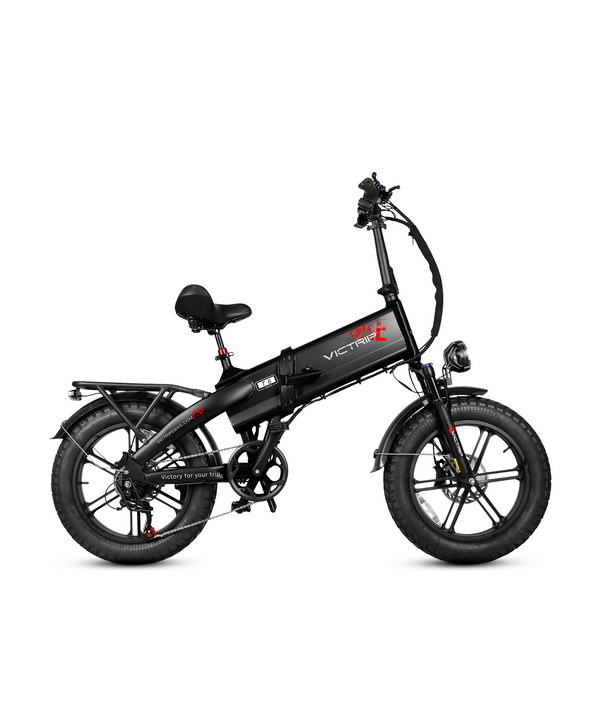
VICTRIP® T6 250W Long Range Ebike
€1,599.00
Expert Buying Guide for Italy and Spain
When purchasing folding electric bikes, consider:
1. Motor Power
250W is standard and compliant in most EU regions.
2. Battery Range
Aim for at least 40 km per charge.
3. Weight
Lighter bikes (under 25 kg) are easier to carry upstairs.
4. Folded Size
Compact dimensions matter in apartments.
5. Warranty & Support
Choose brands offering European service centers.
Conclusion: The Future of Folding Electric Bikes in Southern Europe
The surge of folding electric bikes in Italy and Spain isn’t a temporary trend—it’s a structural shift in urban mobility.
With:
-
Supportive government policies
-
Expanding cycling infrastructure
-
Rising fuel costs
-
Cultural embrace of sustainability
-
Technological advancements
The growth trajectory remains strong.
As cities like Milan and Barcelona continue investing in greener transport systems, folding electric bikes will likely become a primary commuting option.
The revolution is already underway—and it’s folding into the future.
FAQs
1. Are folding electric bikes legal in Italy and Spain?
Yes, if they comply with EU regulations (250W motor and 25 km/h limit).
2. Do I need a license?
No license is required for compliant models.
3. How long does the battery last?
Typically 3–5 years depending on usage.
4. Can folding electric bikes handle hills?
Yes. Modern motors provide sufficient torque for urban inclines.
5. Are they suitable for daily commuting?
Absolutely. Many commuters replace cars entirely.
Share:
EBike Maintenance Tips for European Riders
Best eBikes for European Students