


Europe has become one of the largest and fastest-growing electric bicycle markets in the world. From the cycling capitals of the Netherlands and Denmark to the historic streets of France, Germany, and Italy, electric bicycles have transformed the way people commute, explore cities, and travel longer distances. Among all electric bicycle technologies, pedal-assist eBikes dominate the European market.
Unlike throttle-based electric bikes, pedal-assist systems blend human power with intelligent electric assistance, creating a riding experience that feels natural, efficient, and incredibly practical for daily transportation.
In this comprehensive guide, we explore why pedal-assist eBikes have become the preferred choice across Europe, what benefits they offer, and which modern folding eBikes represent the next generation of urban mobility.
The Rise of Pedal-Assist eBikes Across Europe
Over the past decade, Europe has embraced sustainable transportation solutions at an unprecedented scale. Governments encourage cycling through infrastructure investments, low-emission zones, and incentives for electric mobility.
Pedal-assist eBikes perfectly match this vision.
These bicycles use a sensor-based motor system that activates only when the rider pedals, amplifying the rider's effort rather than replacing it. The result is a smooth, responsive, and energy-efficient ride that fits seamlessly into Europe’s cycling culture.
Cities across Europe have witnessed a surge in eBike adoption because pedal-assist technology offers:
-
Natural riding experience
-
Improved commuting efficiency
-
Greater travel distances
-
Health benefits from active cycling
-
Compliance with European eBike regulations
This balance between human effort and electric power explains why pedal-assist bikes are widely accepted in both urban and rural environments.
European Regulations Favor Pedal-Assist Systems
One major reason pedal-assist bikes dominate Europe lies in regulatory frameworks.
Under European Union standards, a typical electric bicycle must meet the following criteria:
-
Maximum motor power of 250 watts
-
Motor assistance cuts off at 25 km/h (15.5 mph)
-
Motor activates only when pedaling
Because of these rules, pedal-assist eBikes fit perfectly within the legal definition of a bicycle, meaning riders generally do not need licenses, insurance, or registration.
Throttle-controlled eBikes often fall into moped categories, which can introduce additional legal restrictions.
For everyday commuters, students, and urban riders, pedal-assist bikes provide freedom without regulatory complications, making them the most practical choice across Europe.
Natural Riding Feel and Cycling Culture
Europe has one of the deepest cycling traditions in the world. Many countries encourage cycling from a young age, and millions of people use bicycles as their primary form of transportation.
Pedal-assist systems preserve the traditional cycling sensation while providing a helpful boost when needed.
Instead of replacing effort entirely, pedal-assist eBikes:
-
Amplify pedaling power
-
Maintain rider engagement
-
Preserve cycling fitness
-
Deliver smooth acceleration
Riders still feel connected to the bicycle, the road, and the environment.
This is why many European cyclists view pedal-assist technology as an evolution of the bicycle rather than a replacement.
Efficient Urban Commuting
European cities are often dense, historic, and compact, making them ideal environments for electric bicycles.
Pedal-assist eBikes allow commuters to:
-
Climb steep hills effortlessly
-
Travel longer distances without fatigue
-
Arrive at work without excessive sweating
-
Avoid traffic congestion
For example, a rider commuting 10–20 km per day can maintain a comfortable pace with minimal effort while still enjoying physical activity.
Many commuters also combine eBikes with public transportation systems, such as trains or metro lines.
This is where folding pedal-assist eBikes become especially valuable.
Compact Folding eBikes: Perfect for European Cities
Space efficiency is crucial in European urban environments. Apartments are smaller, public transport is common, and secure bike storage can be limited.
Folding pedal-assist eBikes solve these challenges by offering:
-
Compact storage
-
Easy transportation on trains or buses
-
Lightweight portability
-
Flexible commuting options
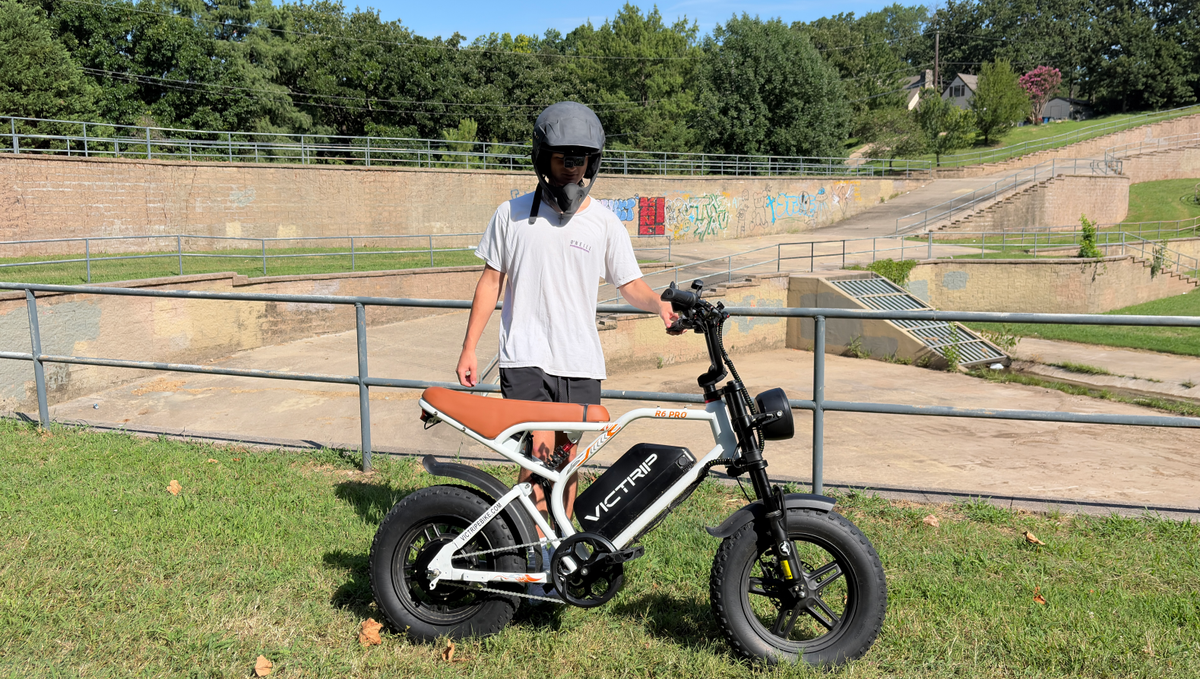
Two modern folding eBikes designed for European riders include the T6 Folding Electric Bike and the R5 Folding Electric Bike.
The T6 Folding Electric Bike is built for riders who need a powerful yet portable commuting solution. Its compact folding frame makes it ideal for city apartments and mixed-transport travel. Despite its portability, it still delivers strong pedal-assist performance that helps riders navigate hills and long routes with ease.
For riders seeking enhanced features and upgraded performance, the R5 Folding Electric Bike offers a refined riding experience with improved comfort, advanced battery efficiency, and durable engineering suitable for everyday urban commuting.
Both models reflect the European demand for efficient, portable, and practical electric mobility.

Health Benefits of Pedal-Assist Riding
Another important factor driving pedal-assist popularity is health and fitness.
Unlike throttle-only electric vehicles, pedal-assist systems require active pedaling, which keeps riders physically engaged.
Studies show that pedal-assist cycling can provide:
-
Moderate cardiovascular exercise
-
Improved joint mobility
-
Reduced physical strain compared to traditional cycling
-
Encouragement for older riders to stay active
Many Europeans use pedal-assist bikes as a sustainable exercise alternative, especially for commuting or recreational rides.
Even people who previously avoided cycling due to hills or long distances can now enjoy daily physical activity without exhaustion.
Eco-Friendly Transportation
Europe continues to prioritize carbon neutrality and environmental sustainability. Electric bicycles play a crucial role in reducing emissions in urban areas.
Compared with cars or motorcycles, pedal-assist eBikes produce:
-
Zero direct emissions
-
Extremely low energy consumption
-
Minimal environmental impact
Charging an eBike battery consumes a fraction of the energy required by electric cars, making them one of the most efficient transportation methods available.
As cities push toward low-emission zones, pedal-assist eBikes offer a practical solution for daily mobility.
Cost-Effective Mobility
Another key reason Europeans favor pedal-assist eBikes is economic practicality.
Compared with car ownership, the costs are dramatically lower.
Typical savings include:
-
No fuel costs
-
Minimal maintenance expenses
-
No parking fees
-
Reduced public transport dependence
Many European governments even offer financial subsidies or tax incentives for eBike purchases, making pedal-assist models even more accessible.
Over time, commuters can save thousands of euros annually by replacing car trips with eBike travel.
Extended Range and Battery Efficiency
Pedal-assist systems are also extremely energy efficient because the motor works in combination with human power.
This means riders can achieve longer ranges per battery charge compared with throttle-based electric bikes.
Modern pedal-assist folding bikes often provide:
-
40–100 km riding range
-
Intelligent power management
-
Multiple assist levels
-
Quick charging capabilities
These improvements allow riders to confidently travel across cities or between towns without worrying about running out of battery power.
Ideal for Tourism and Leisure
Europe’s scenic landscapes and historic towns make cycling one of the most enjoyable ways to explore.
Pedal-assist eBikes allow riders to:
-
Ride through countryside routes
-
Explore coastal paths
-
Travel longer sightseeing distances
-
Handle mountain terrain with ease
Tourism operators increasingly offer pedal-assist eBike rentals, allowing visitors to explore destinations comfortably.
This has turned electric cycling into a major component of sustainable tourism across Europe.
Future of Pedal-Assist eBikes in Europe
The future of European mobility strongly favors pedal-assist electric bicycles.
Several trends continue to accelerate adoption:
-
Expansion of cycling infrastructure
-
Growth of low-emission city zones
-
Advances in battery technology
-
Rising demand for compact folding eBikes
-
Increasing focus on health and sustainable lifestyles
As technology evolves, pedal-assist eBikes will become even lighter, more efficient, and more integrated into daily life.
For commuters, students, travelers, and recreational riders alike, these bicycles represent the perfect balance of freedom, sustainability, and performance.
Conclusion
Pedal-assist eBikes have become the preferred electric mobility solution across Europe because they combine efficiency, legality, health benefits, and environmental responsibility.
They preserve the traditional cycling experience while removing many of the barriers that prevent people from riding longer distances or tackling challenging terrain.
With modern folding designs like the VICTRIP Ebikes, riders can now enjoy powerful pedal-assist performance alongside unmatched portability.
As cities continue evolving toward greener transportation systems, pedal-assist eBikes will remain at the heart of Europe’s sustainable mobility revolution.

Share:
Best Affordable eBikes in Europe Under €1000
Are Electric Bikes Worth It in Europe? Cost vs Savings Breakdown