


Across Europe, cities are rewriting the rules of mobility. From Paris to Berlin, Amsterdam to Milan, urban planners are pushing for cleaner, quieter, and more efficient transport. In this evolving landscape, one question keeps popping up: why eBikes are better than scooters in Europe.
At first glance, electric scooters seem trendy and compact. However, when you look closer—considering safety, legality, comfort, and long-term value—electric bikes consistently come out ahead. eBikes fit naturally into Europe’s cycling culture, infrastructure, and regulatory framework. They’re not just a gadget; they’re a dependable mobility solution.
This article breaks down the real reasons eBikes outperform scooters in Europe, using practical examples, expert insight, and everyday rider experiences. If you’re weighing your options, you’re in the right place.
Understanding eBikes and Scooters in the European Context
Before comparing them head-to-head, it helps to understand how Europe defines these vehicles.
What Defines an eBike Under EU Law
In most EU countries, an eBike (or pedelec) is legally classified as a bicycle if:
-
Motor assistance is limited to 250W
-
Assistance cuts off at 25 km/h
-
Pedaling is required for motor support
This clear definition means eBikes enjoy the same rights as traditional bicycles. Riders can use bike lanes, avoid registration, and skip insurance in most regions.
What Counts as an Electric Scooter
Electric scooters fall into a more fragmented category. Rules vary widely by country—and sometimes by city. Speed limits, helmet laws, insurance requirements, and riding zones are often inconsistent. That legal uncertainty alone makes daily use complicated.
Reason 1: Superior Safety Standards Across Europe
Safety is where the gap becomes obvious. Europe takes road safety seriously, and eBikes align better with those standards.
Road Stability and Wheel Size
eBikes feature larger wheels, longer wheelbases, and stronger frames. This design offers:
-
Better balance at speed
-
Improved handling on cobblestones and uneven roads
-
Reduced risk of sudden stops or falls
Scooters, with their small wheels, struggle on wet tram tracks, potholes, and curbs—common features in European cities.
Brake Systems and Control
Most modern eBikes come with hydraulic or mechanical disc brakes. These provide predictable stopping power, even in rain. Scooters often rely on smaller braking systems, which can feel abrupt or insufficient at higher speeds.
Reason 2: Legal Clarity and Fewer Restrictions
Another major reason why eBikes are better than scooters in Europe is legal simplicity.
EU eBike Regulations Explained
Because eBikes are regulated at the EU level, riders benefit from consistency. Whether you’re commuting in Germany or touring Italy, the rules are familiar. That reliability matters for both residents and travelers.
Read More: Understanding CE Certification for European eBikes.
Scooter Legal Grey Zones
Scooter laws, on the other hand, can change quickly. Some cities ban them from sidewalks, others restrict roads, and many require special insurance. Riders are often left guessing—and fines aren’t cheap.
Reason 3: Comfort and Long-Distance Capability
European cities are compact, but daily travel still adds up.
Riding Position and Ergonomics
eBikes support a natural, upright riding posture. Saddles, handlebars, and suspension options reduce strain on your back and wrists. Scooters require riders to stand upright, absorbing every bump through their legs.
Fatigue Reduction on Daily Commutes
Pedal assist means you control the effort. You arrive less sweaty, less tired, and more focused. Over weeks and months, that comfort makes a real difference.

Reason 4: Cost Efficiency Over Time
Scooters may look cheaper upfront, but long-term costs tell another story.
Purchase Price vs Lifetime Value
While some scooters cost less initially, eBikes deliver more value over time. Quality components last longer, and resale value remains higher.
Maintenance and Battery Longevity
eBike batteries are built for thousands of charge cycles. Parts like chains and brakes are easy to service across Europe. Scooter repairs, by contrast, often require specialized parts or full replacements.
Reason 5: Environmental and Infrastructure Advantages
Europe has invested heavily in cycling infrastructure—and eBikes fit right in.
Cycle Lane Integration
Dedicated bike lanes are designed with bicycles in mind. eBikes move at compatible speeds, flow smoothly with traffic, and don’t disrupt other riders.
Sustainability Impact
eBikes reduce car dependency and emissions. According to the European Cyclists’ Federation, eBikes are among the most energy-efficient transport modes available today .
Reason 6: Weather Readiness and Seasonal Use
Europe’s climate is unpredictable.
Stability in Rain and Cold
Larger tires and better traction give eBikes an edge in wet or icy conditions. Scooters become risky when roads are slick.
Practical Year-Round Transport
With proper gear, eBikes are usable all year. Fenders, lights, and racks make them adaptable in ways scooters simply aren’t.
Reason 7: Real-World Practicality for European Lifestyles
Daily life demands flexibility.
Shopping, Commuting, and Travel
eBikes can carry groceries, backpacks, or even child seats. That practicality is invaluable for families and professionals alike.
Folding eBikes and Multimodal Transport
Folding models shine in Europe’s multimodal systems. A compact option like the VICTRIP T5 Foldable eBike fits easily on trains or in apartments, blending convenience with performance.
Product Recommendation: A Smart European eBike Choice
When choosing an eBike for Europe, look for:
-
EU-compliant motor and speed limits
-
Folding capability for urban living
-
Reliable battery range for daily use
The VICTRIP T5 checks these boxes, making it a practical and future-ready option for European riders who value legality, comfort, and efficiency.
TOP PICK
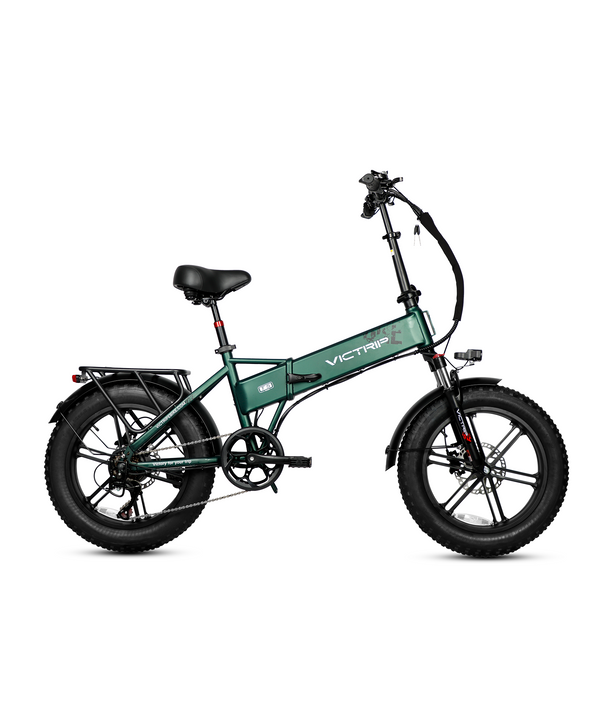
VICTRIP® T5 250W Lightweight Ebike
€999.00
Conclusion: Why the Future of European Mobility Is Electric Bikes
When weighing all factors—safety, legality, comfort, cost, and sustainability—the answer becomes clear. Why eBikes are better than scooters in Europe isn’t just a slogan; it’s a practical reality shaped by infrastructure and lifestyle.
eBikes aren’t a passing trend. They’re a cornerstone of Europe’s cleaner, smarter transport future.
FAQs
Are eBikes legal everywhere in Europe?
Yes, standard pedelec eBikes are legal across the EU with minimal restrictions.
Are eBikes safer than scooters?
In most urban conditions, yes—thanks to better stability and braking.
Can eBikes handle long commutes?
Absolutely. Many riders comfortably travel 20–40 km daily.
Are scooters cheaper to maintain?
Not usually. eBikes often have lower long-term costs.
Which is better for beginners?
eBikes, due to their familiar bicycle handling and regulations.
Share:
Best eBikes for Daily Commuting in Italy
Best Folding eBikes for European Public Transport