
Electric bicycles have rapidly become one of the most popular transportation options in the United States. From daily commuting to recreational riding, e-bikes provide an efficient way to travel while reducing traffic congestion and environmental impact.
However, as electric bikes have grown in popularity, lawmakers have introduced specific regulations to ensure rider safety and clarify where these bikes can legally operate. In most states, electric bicycles are regulated using the three-class system, which categorizes e-bikes based on their speed and motor functionality.
Among these categories, Class 3 e-bikes are the fastest legal electric bicycles available for everyday riders. Because of their higher speeds, they often come with additional rules regarding age requirements, helmet use, and where they can be ridden.
What Is a Class 3 E-Bike?
A Class 3 e-bike is defined as an electric bicycle equipped with a motor that only provides assistance when the rider is pedaling and stops assisting once the bicycle reaches 28 miles per hour (45 km/h).
This type of electric bike is sometimes called a “speed pedelec.”
To qualify as a Class 3 electric bicycle in most U.S. states, the bike must meet several technical requirements.
Standard Class 3 E-Bike Requirements
Most state regulations define Class 3 e-bikes using the following criteria:
-
Pedal-assist motor system
-
Maximum assisted speed of 28 mph
-
Electric motor 750 watts or less
-
Fully operable pedals
-
Integrated speedometer
If an electric bike exceeds these limits—for example, providing motor assistance above 28 mph—it may legally be categorized as a moped or motor vehicle, which requires registration, insurance, and licensing.
Because Class 3 e-bikes can travel significantly faster than traditional bicycles, lawmakers often regulate them more strictly than Class 1 or Class 2 electric bikes.
At VICTRIP, we design our e-bikes to meet these strict Class 3 standards, so you can ride confidently and legally on public roads across most of the U.S.
Federal Guidelines for Electric Bikes
In the United States, federal law primarily regulates product safety, while states control road use and riding rules.
Under federal guidelines, an electric bicycle must:
-
Have fully operable pedals
-
Use an electric motor not exceeding 750 watts
-
Have a top motor-powered speed of 20 mph when using throttle alone
However, federal law does not fully define the three-class system used by most states today.
Instead, this framework was introduced by organizations like the PeopleForBikes, which helped promote standardized e-bike regulations across the country.
Today, more than 35 U.S. states follow the three-class system, making it easier for manufacturers and riders to understand legal requirements.
Common Legal Rules for Class 3 E-Bikes
Although laws vary slightly from state to state, several rules commonly apply to Class 3 electric bikes.
Minimum Age Requirements
Most states require riders to be at least 16 years old to operate a Class 3 e-bike.
This restriction exists because the higher speeds may require more riding experience and better reaction times.
Helmet Requirements
Many states require riders to wear helmets when operating Class 3 e-bikes.
Some states enforce helmet rules for:
-
All riders
-
Riders under 18 years old
Helmets are strongly recommended even in states where they are not legally required.
Read More: 2026 Electric Bike (E-Bike) Law Changes You Need to Know.
Speed Limits
By definition, Class 3 e-bikes can provide pedal-assist support up to 28 mph.
Once the bike reaches this speed, the motor must automatically stop assisting.
Riders can still travel faster when going downhill, but the motor cannot provide additional power.
Where You Can Ride
Class 3 e-bikes are typically allowed on:
-
Public roads
-
Urban bike lanes
-
Commuter cycling routes
However, they are often restricted from shared recreational trails and multi-use paths because of safety concerns.
Local governments may also set additional rules.
Class 3 E-Bike Laws by State
Although most states follow similar frameworks, local laws can differ. Below are several examples of how Class 3 regulations work in major states.
California
California has one of the most detailed electric bike regulatory systems in the country.
Under California law:
-
Maximum assisted speed: 28 mph
-
Minimum rider age: 16 years old
-
Helmet required for all Class 3 riders
-
Speedometer required on the bike
Class 3 e-bikes are typically allowed on roads and bike lanes but may be restricted from certain bike paths or multi-use trails depending on local authority.
Texas
Texas recognizes the three-class e-bike system.
Typical rules include:
-
Maximum assisted speed: 28 mph
-
Motor power limit: 750 watts
-
Minimum rider age: often 16
Class 3 bikes are generally allowed on roads and bike lanes, although cities may restrict them from certain trails.
Florida
Florida law treats e-bikes similarly to traditional bicycles in many situations.
Key points include:
-
Class 3 e-bikes allowed on roads and bike lanes
-
Minimum rider age 16
-
Helmet rules vary depending on age
Because of Florida’s warm climate and flat terrain, electric bikes have become particularly popular for commuting.
New York
New York allows Class 3 e-bikes primarily in urban areas.
Typical regulations include:
-
Maximum assisted speed 28 mph
-
Minimum rider age 16
-
Restrictions on sidewalk riding
Class 3 bikes are commonly used for delivery and commuting in cities such as New York City.
Colorado
Colorado also follows the three-class system.
However, trail access is often regulated by local authorities.
In many areas:
-
Class 3 bikes are allowed on roads and bike lanes
-
Multi-use trails may impose lower speed limits
This helps reduce conflicts between cyclists and pedestrians.
Why Class 3 E-Bikes Are Regulated More Strictly
The main reason for stricter regulation is speed.
A typical cyclist rides between 10 and 15 mph, while Class 3 e-bikes can travel nearly twice as fast.
At these speeds, interactions with pedestrians or slower cyclists can become more dangerous.
As a result, many states limit where these bikes can be ridden.
However, the higher speed also makes Class 3 bikes one of the most practical alternatives to car commuting, especially for distances between 5 and 20 miles.
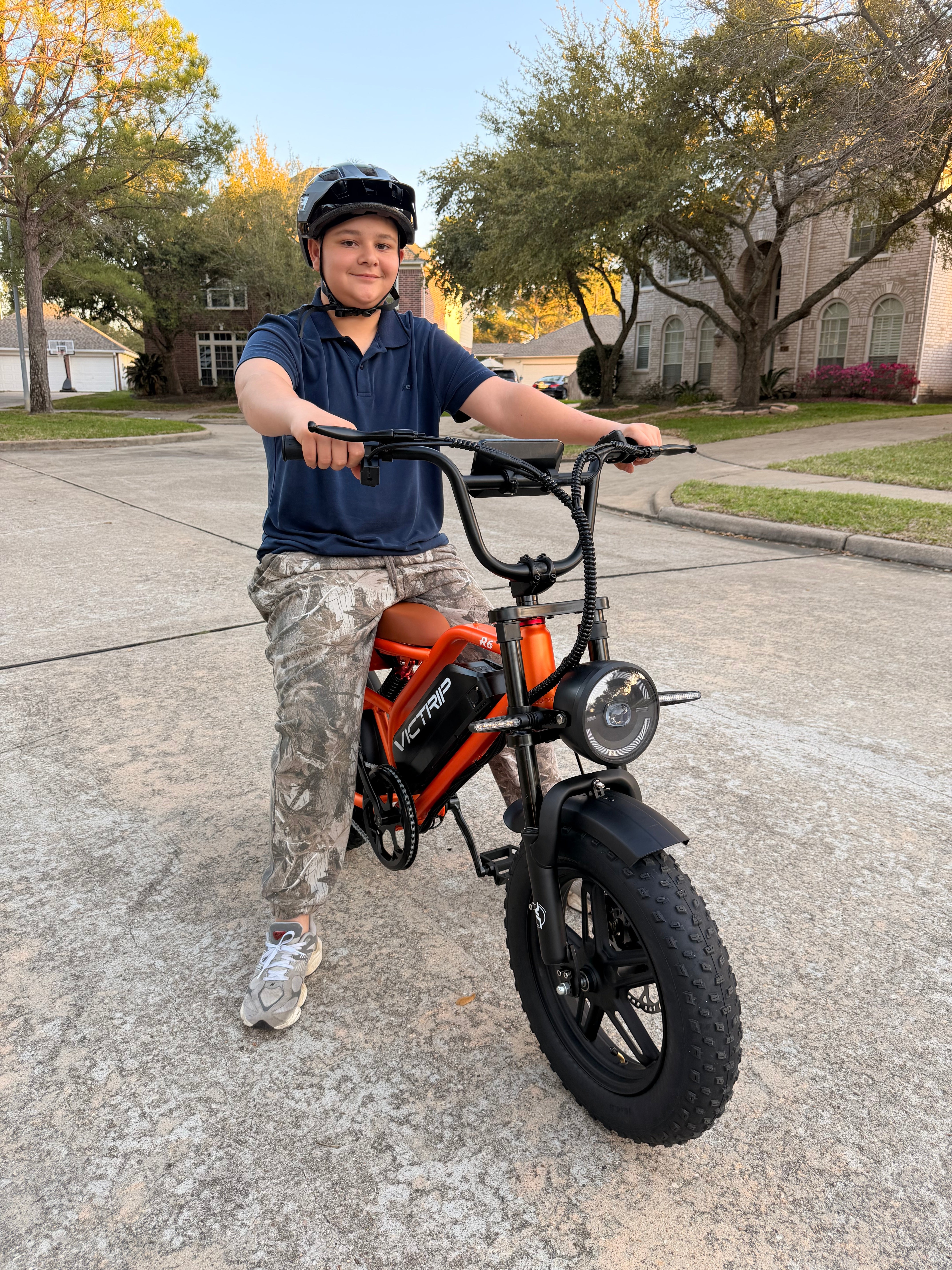
Models like the VICTRIP R6 off road ebike and other VICTRIP Class 3 e-bikes are built specifically for this kind of real-world riding—fast, stable, and compliant with U.S. regulations.

Are Class 3 E-Bikes Legal in the United States?
Yes. Class 3 e-bikes are legal in most U.S. states as long as they meet standard requirements.
Typically, riders do not need:
-
A driver’s license
-
Vehicle registration
-
Insurance
However, riders must follow state and local rules regarding helmet use, minimum age, and riding locations.
Checking local regulations before riding is always recommended.
Final Thoughts
Class 3 e-bikes represent the fastest category of electric bicycles widely allowed on public roads in the United States.
With pedal-assist speeds up to 28 mph, they provide an efficient transportation solution for modern cities. However, because of their higher speed capabilities, they are often subject to additional regulations such as helmet requirements, minimum rider ages, and restrictions on certain trails.
Understanding Class 3 e-bike laws—especially state-specific regulations—can help riders stay compliant while enjoying the benefits of faster electric cycling.
As electric mobility continues to grow, Class 3 e-bikes are likely to play an increasingly important role in urban transportation.
Share:
750W E‑Bike Speed Guide: How Fast Can It Really Go?
Fat Tire E-Bikes Vs. Thin-Tire E-Bikes: Choosing the Right Ride